In this guide
- 01Are The Itako Mediums At Osorezan All Year Round?
- 02The Monk Who Walked North: A Founding Shared With Yamadera
- 03Why Is Lake Usori So Clear? The Honest Answer
- 04When Is Osorezan Open? Season And Access, Stated Plainly
- 05What Japan Royal Service Arranges At Osorezan
- 06Frequently Asked Questions
- 07Why Choose Japan Royal Service
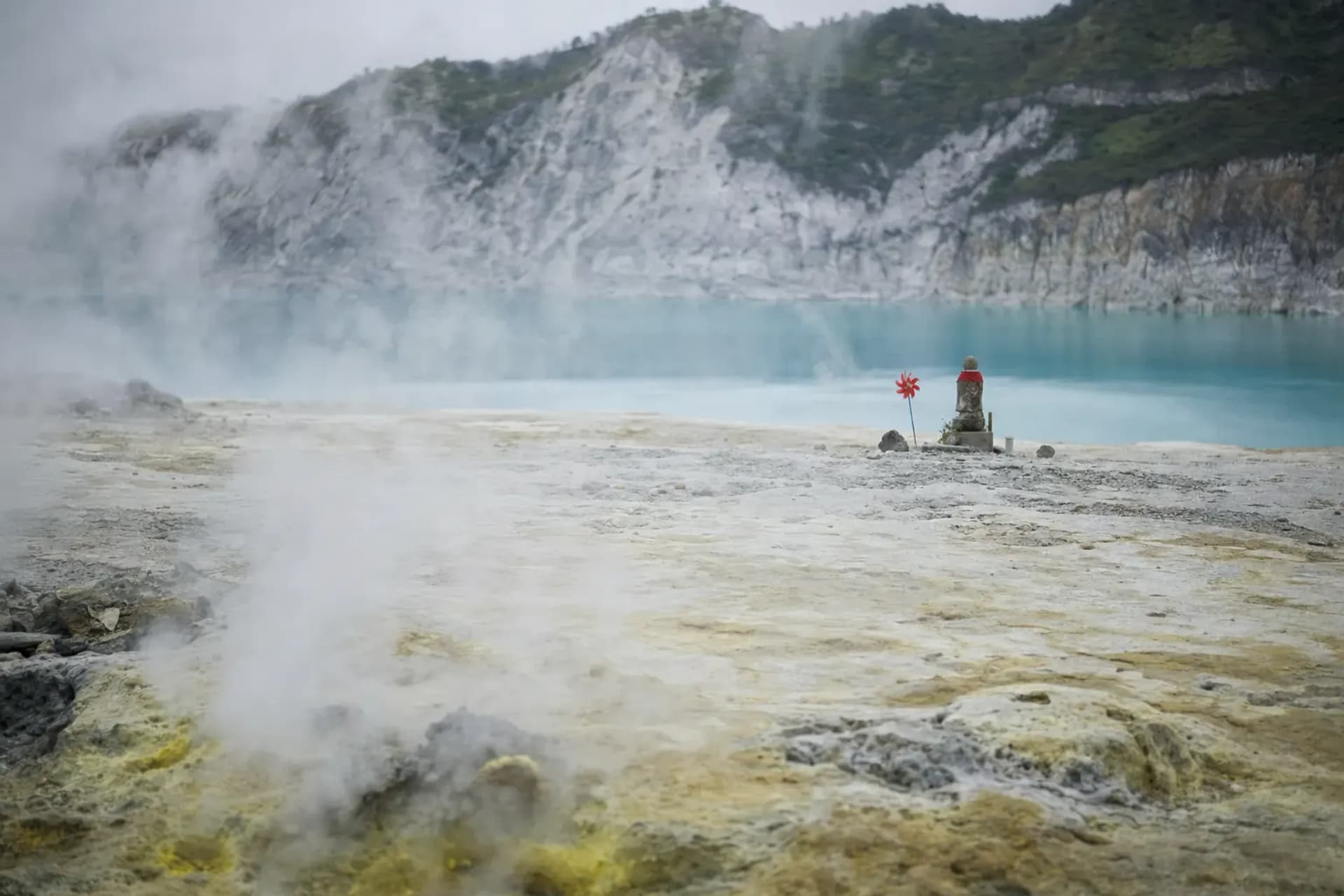
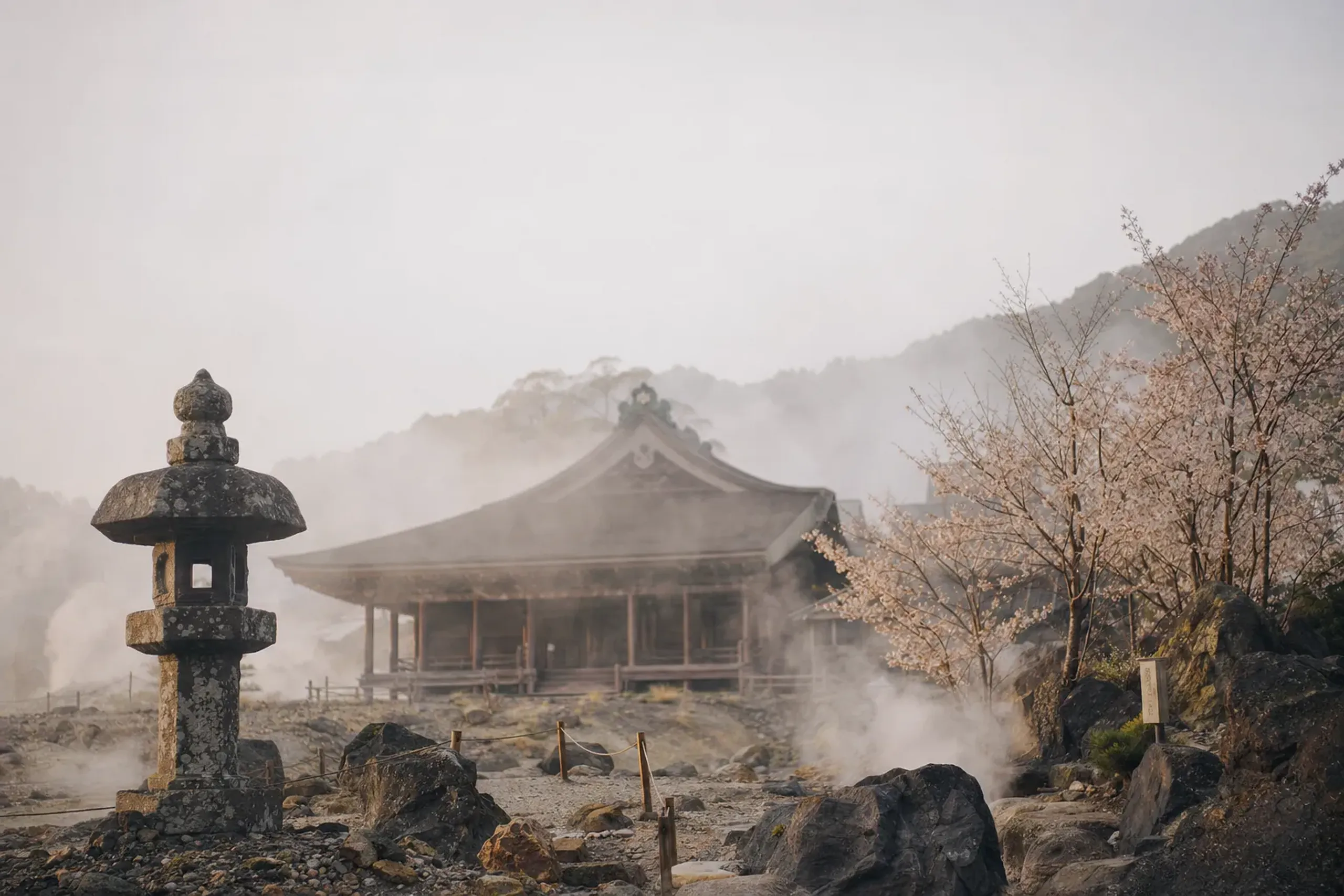
You cross barren ground to reach the water. That is the first thing to understand about Osorezan. The path runs over pale volcanic rock, cracked and steaming in places, the smell of sulfur sitting low in the cold air. Little grows here. Then the land opens, and there is Lake Usori — a caldera lake of improbable clarity, its shore giving way to a white strand the temple calls Gokuraku-hama, Paradise Beach.
The contrast is deliberate. Hell on one side. Paradise on the other. A monk mapped this ground to the geography of the afterlife more than eleven centuries ago, and the volcano has been obliging the metaphor ever since.
Our team at Japan Royal Service sends travelers to this remote corner of the Shimokita Peninsula with one correction made first — because it is the single fact most likely to disappoint a visitor who arrives unprepared.
Are The Itako Mediums At Osorezan All Year Round?
No. The itako mediums gather at Osorezan only during two festival windows each year — the Summer Grand Festival (20 to 24 July) and the Autumn Festival in early October. On an ordinary day, you will not find one.
This matters because Osorezan is known worldwide for its itako: traditionally blind female mediums who perform kuchiyose, channeling the words of the departed for those who come to speak with them.
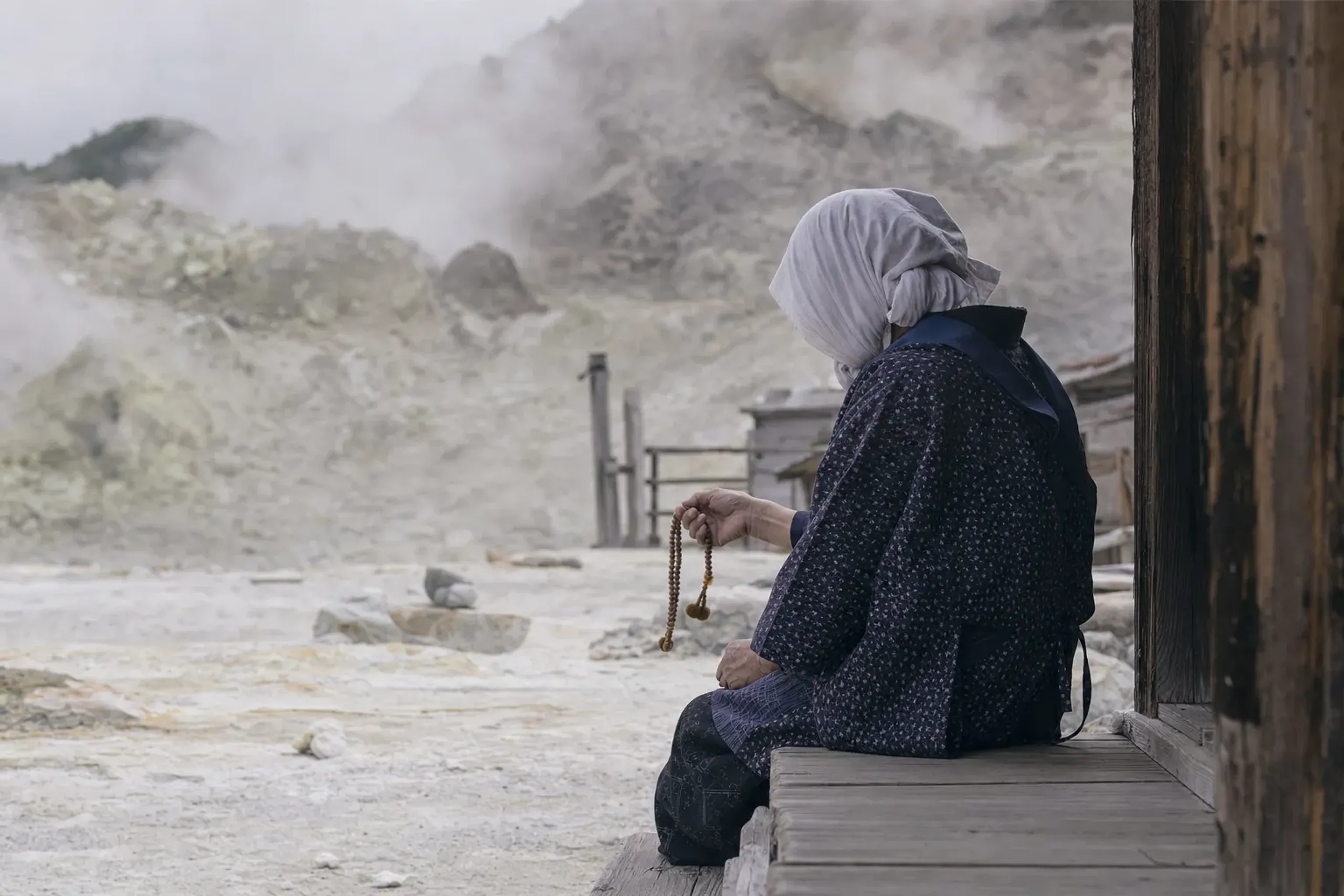
The practice is real. It is also widely misunderstood as a permanent feature of the temple.
It is not. The itako are independent practitioners. They are not temple staff, and they are not administered by Bodai-ji. They set up their stations only during those two festival periods, and the queues to see them can be long. A traveler who flies to Aomori, drives to Mutsu, and climbs to the mountain in May expecting a consultation will be met instead by silence, steam, and the lake.
That silence is its own reward. But it should be chosen, not stumbled into. For 2026, the Summer Grand Festival is confirmed to run from 20 July to the morning of 24 July. The Autumn Festival falls in early October. Our concierge verifies the current-year festival dates before any visit is planned, because they shift slightly year to year.
Key fact: The itako are present only during the July and October festivals. A spring visit offers the landscape in near-solitude — but not a medium consultation.
The Monk Who Walked North: A Founding Shared With Yamadera
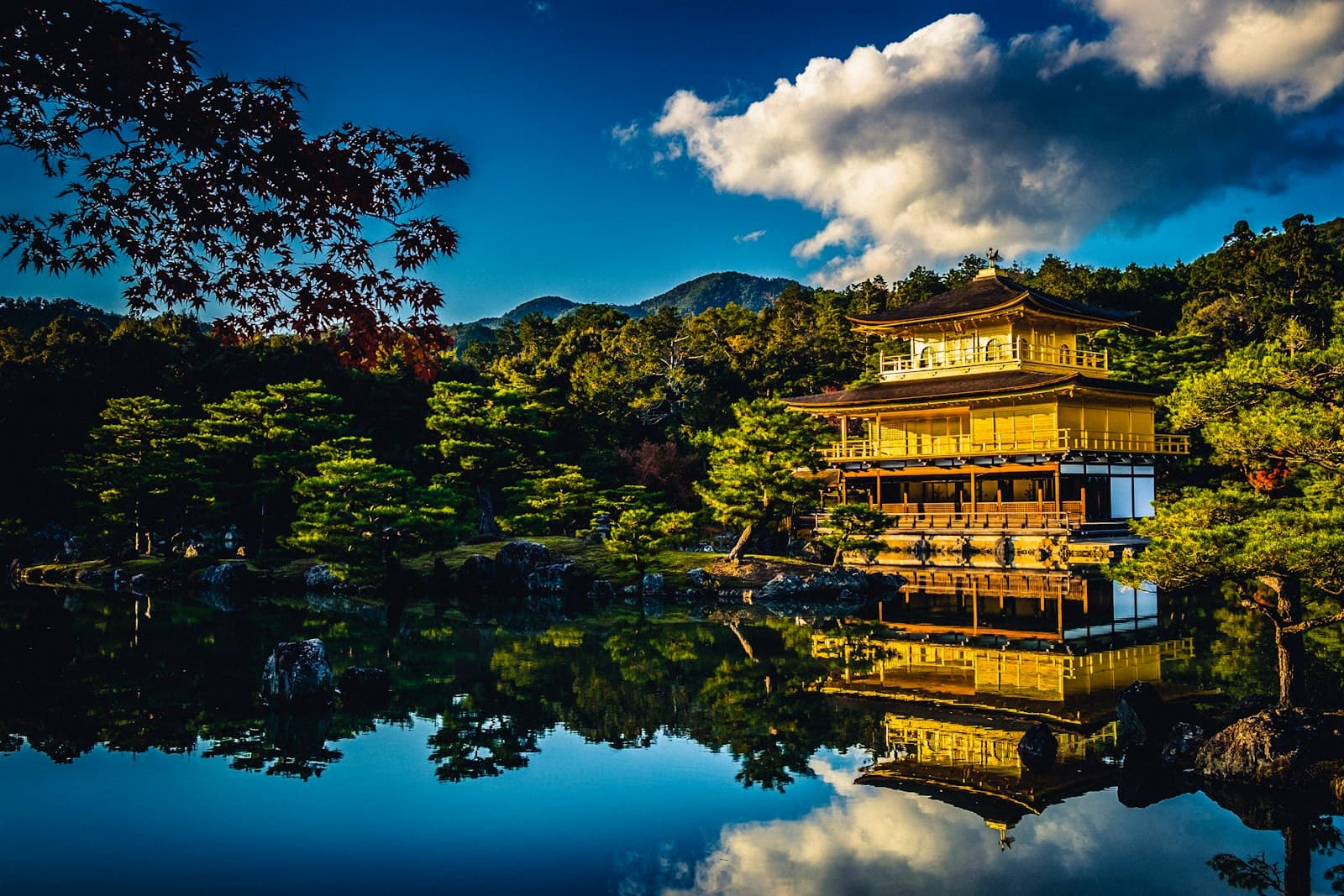
Osorezan was founded in 862 by Jikaku Daishi Ennin — the same monk who founded Yamadera in Yamagata, a site we have written about separately. The two places are bound by one journey.
Tradition holds that Ennin received a dream vision instructing him to open a sacred site to the north.
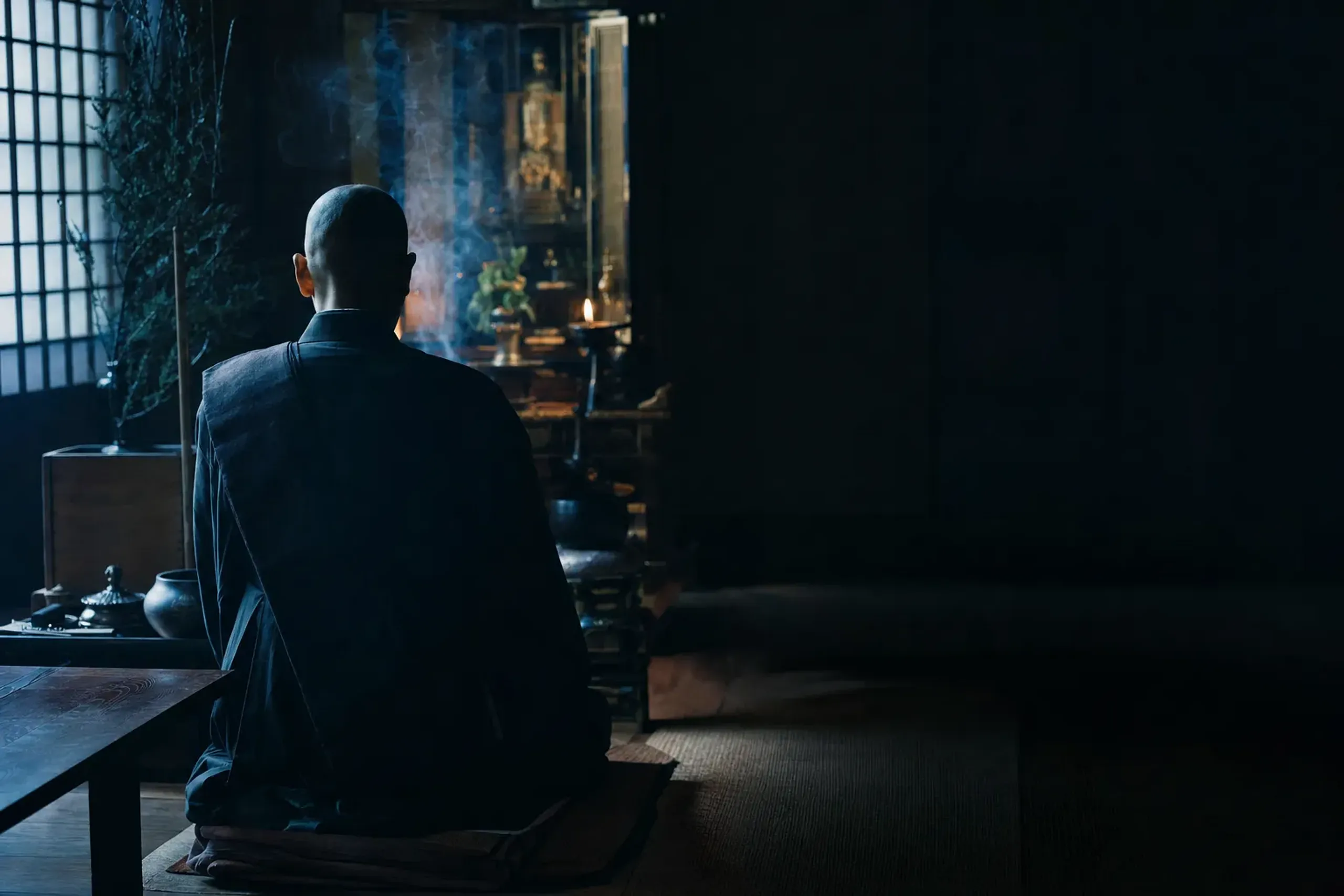
So he walked. He founded Yamadera along the way. Then he kept going, further north still, until he reached this caldera on the Shimokita Peninsula and founded the temple now called Bodai-ji.
If you have stood on the stone steps of Yamadera — carved into a Yamagata cliffside, the valley falling away below — you have already walked part of this same pilgrimage. Osorezan is where it ends. The north of the north.
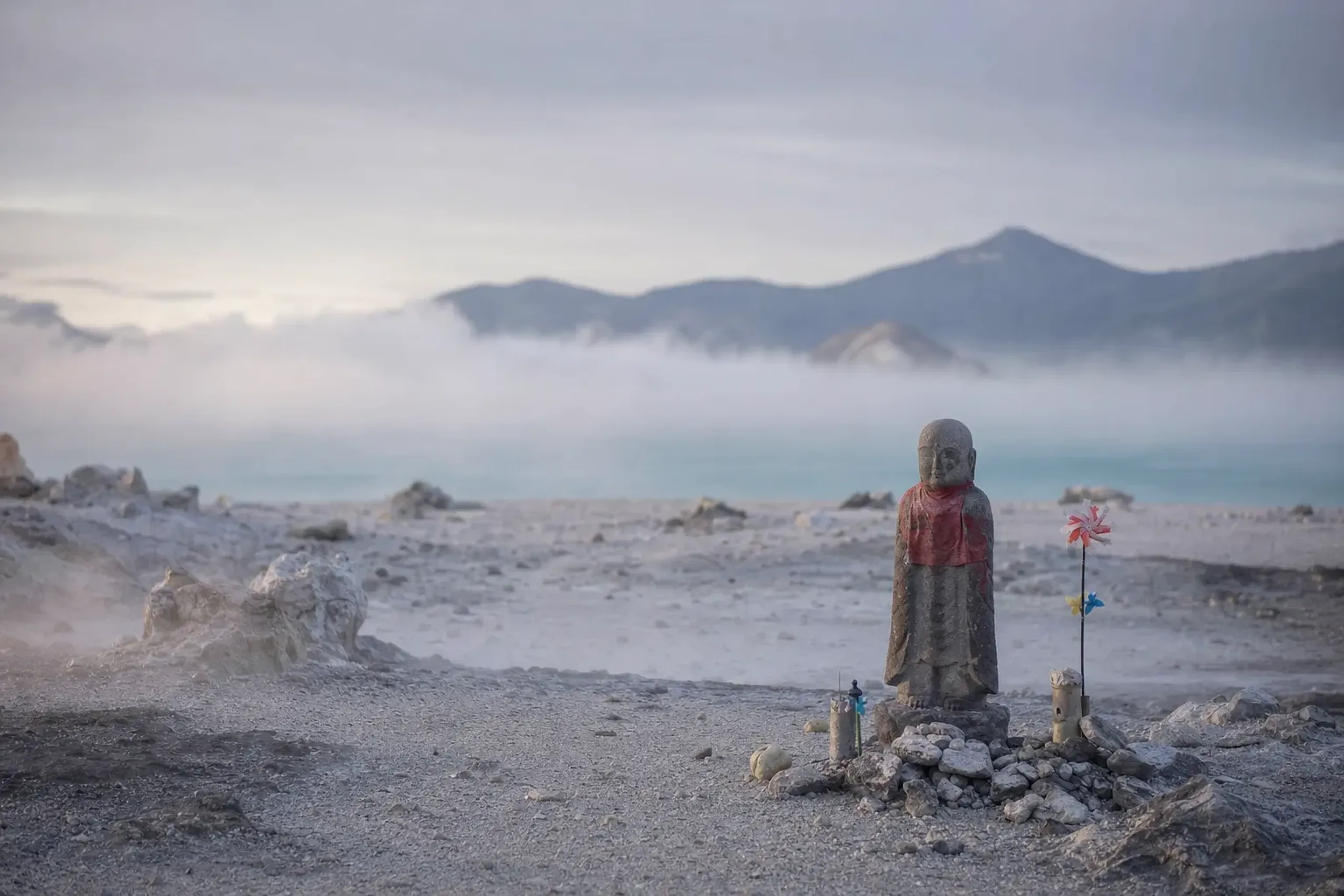
The temple did not survive unbroken. It fell out of use in 1457, was reopened in 1530, and has been maintained continuously since. Today it is administered by the Sōtō Zen sect, though older layers remain visible — mountain worship and Shinto-Buddhist syncretism threaded through the grounds. The principal worship image is Enmei Jizō, a bodhisattva tied to long life and, in the wider tradition, to the protection of the souls of the dead and of children. You see this everywhere on the mountain. Stone Jizō figures in rows. Small cairns of stacked pebbles. Children's windmills turning in the sulfur wind, left by grieving families.
Why Is Lake Usori So Clear? The Honest Answer
Lake Usori is clear because its water is genuinely acidic. Hydrogen sulfide bubbles up from the lakebed and surrounding riverbeds, making the water too hostile for most life — which is exactly why it looks so pristine.
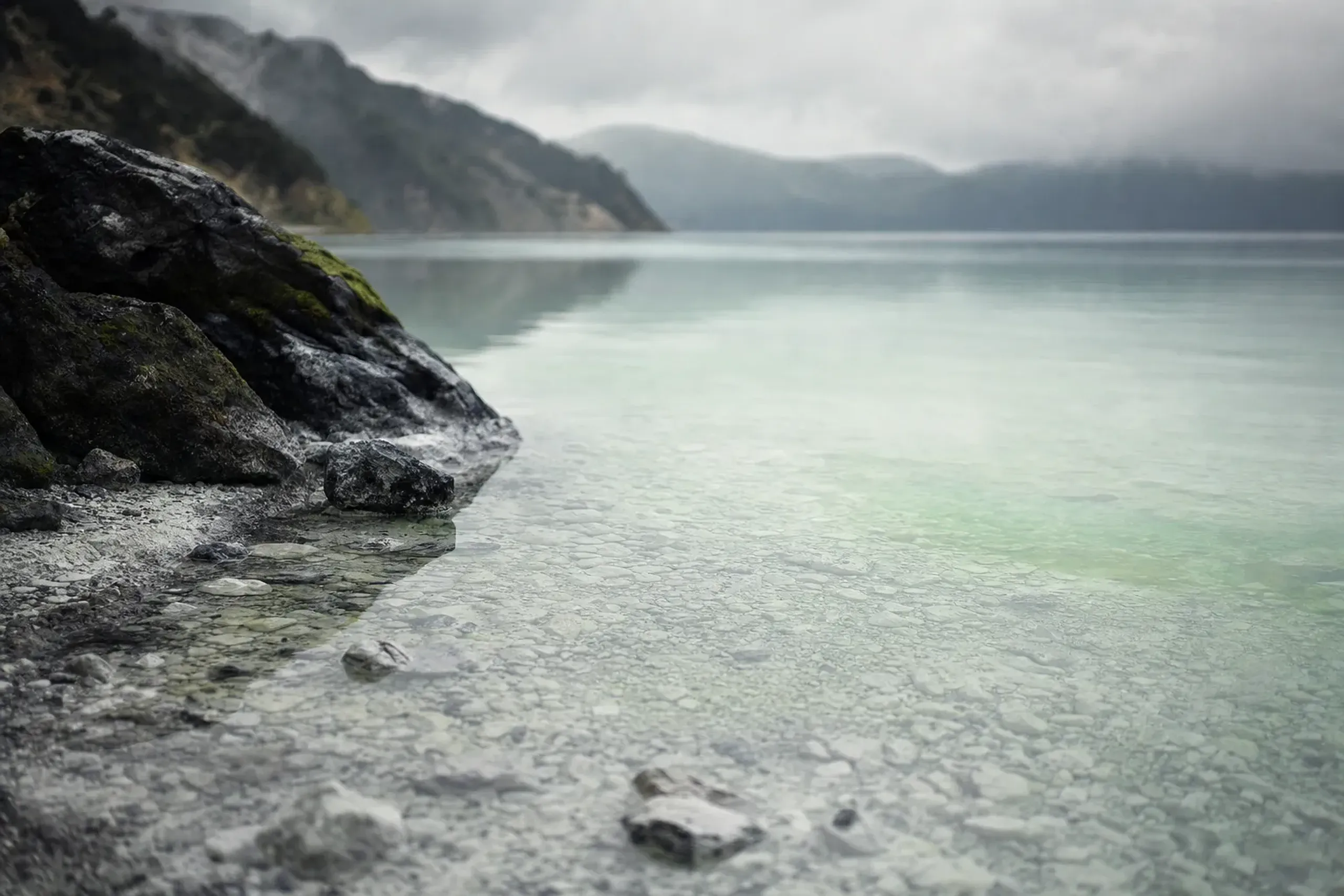
There is no mystery to resist here, only chemistry worth respecting. The same volcanic activity that strips the surrounding terrain of plant life — venting gas that suppresses growth and supports only minimal fauna — is the reason early visitors likened this ground to hell. It is not poetic exaggeration. The land is, in a biological sense, nearly dead. That reading of the landscape came first; the temple followed.
And then the lake. The shore at Gokuraku-hama holds water of a soft emerald tone, so clear it reads as paradise against the gray rock you crossed to reach it. Walk the shore. Do not wade. Japan-guide cautions, rightly, that the water is not to be entered — its clarity is the clarity of acid, not of a mountain spring.
One further note on the name itself. One theory traces "Osorezan" to an Ainu word for a sunken or hollow area of land — a caldera, in other words — the pronunciation drifting over centuries into the form used today. The hell-and-fear reading of the name came later. The ground was named for its shape before it was named for its meaning.
When Is Osorezan Open? Season And Access, Stated Plainly
Osorezan is open only from 1 May through 31 October each year. It closes entirely in winter under heavy Shimokita snowfall. Gates open 6:00 to 18:00, narrowing to a 17:00 close from mid-October.
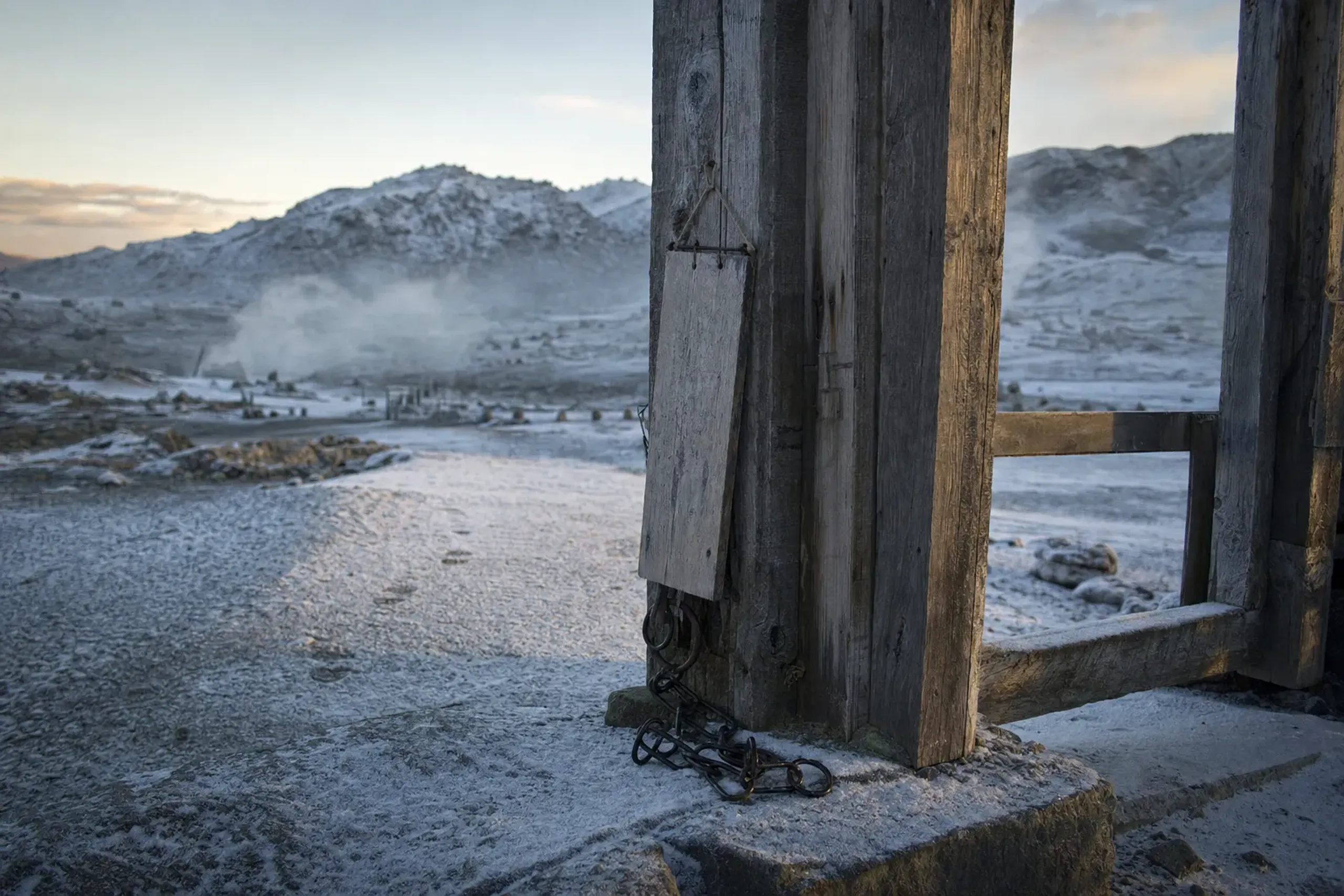
This is the non-negotiable frame for any plan. There is no winter visit. A brief, reduced-hours worship-only period sometimes follows the official 31 October closing into early November, but it varies year to year and must be confirmed directly — never assumed.
Access is the second constraint. The Shimokita Peninsula is remote, and reaching Osorezan is most practical by car. Public buses to the mountain run only during the open season, with very few daily departures — a schedule that leaves no margin for error and strands the unlucky. This is precisely the kind of logistics our team removes from the equation with private chauffeured transport, running the loop from Aomori or Hirosaki through Mutsu to the mountain on your timing, not the bus timetable's.
Spring — the reopening in early May — is the quietest window. Lingering cold. Steam still rising sharply in the morning air. Few other visitors. For a traveler who wants the landscape and its meaning without festival crowds, May is the shoulder-season answer. The itako, to repeat the one correction that matters, are not present then.
A Note On The Hot Spring Baths
Four hot spring bathing facilities stand on the temple grounds, simple wooden structures fed by the volcanic source. They are part of the pilgrimage, not a spa. At least one has been noted as closed for bathing in some periods, so current status should be confirmed before you plan a day around a specific bath.
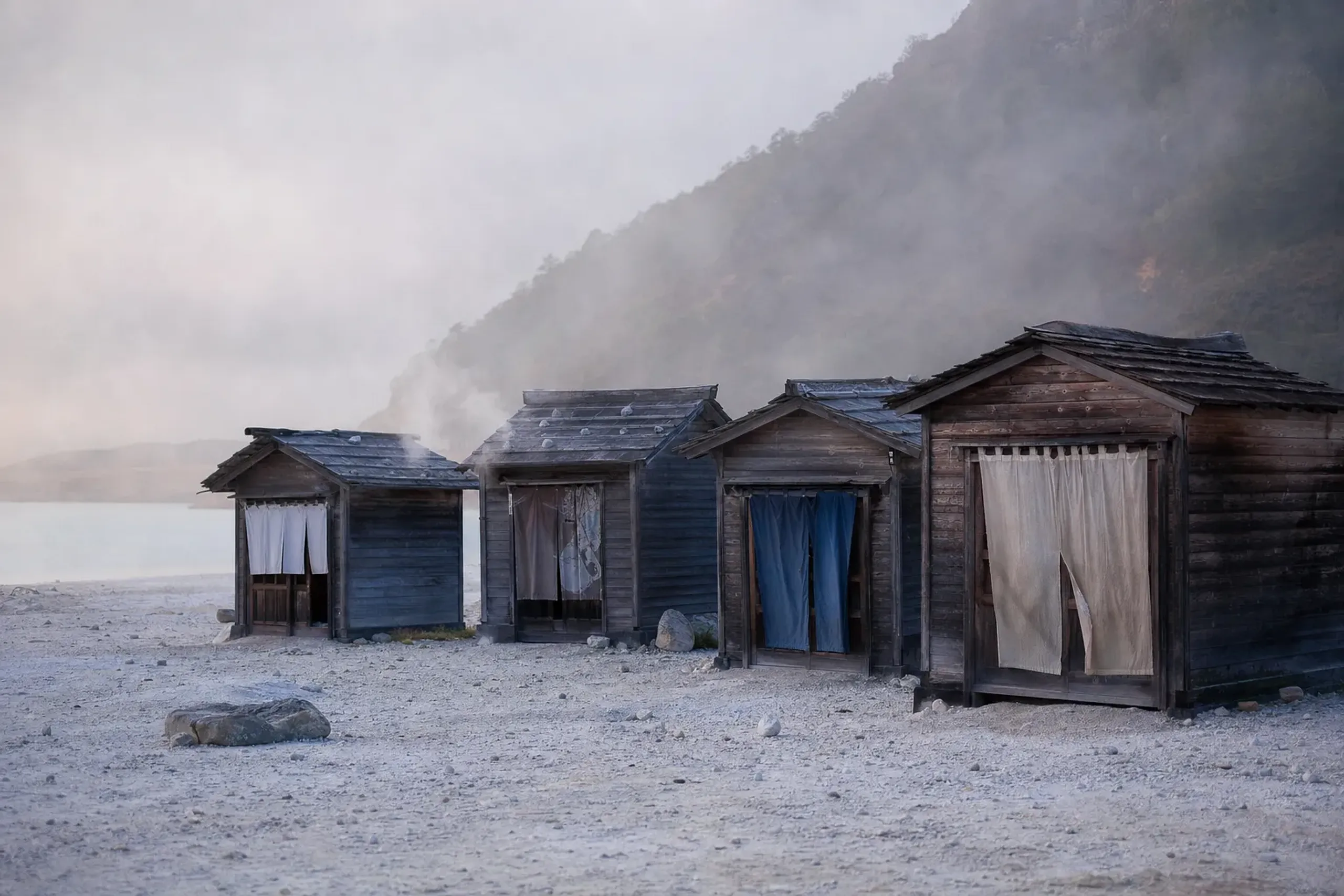
Our concierge verifies this ahead of the visit.
The Wider Shimokita Loop
Osorezan rarely travels alone in a well-built day. The peninsula pairs it naturally with Cape Ōma to the north — Japan's famed bluefin tuna port, where a lunch of the day's catch rewards the drive. A private loop lets the mountain sit at the center of a fuller northern day rather than a rushed in-and-out.
- Early May (reopening): Quietest visit. Lingering cold, strong steam, near-solitude. No itako.
- 20–24 July 2026 (Grand Festival): Itako present. Busiest period, long queues, full ceremonial atmosphere.
- Early October (Autumn Festival): Itako present. Cooler, fewer crowds than July.
- November–April: Closed (brief worship-only period sometimes early Nov — confirm).
What Japan Royal Service Arranges At Osorezan
Plainly: our team arranges private guiding and chauffeured transfers for the Shimokita loop, and we verify current-year opening dates, festival dates, and bathing facility status on your behalf. We do not — and cannot — arrange itako consultations outside the two confirmed annual festival windows, because those mediums are independent and present only then.
That honesty is the point. Osorezan is an active religious site where families come to grieve and to remember. It is not a spectacle, and we do not frame it as one.
Our role is to make the remote reachable, the schedule reliable, and the day quiet enough that the place can speak for itself. For travelers building a longer northern journey, we coordinate a tailor-made itinerary with refined accommodation in Hirosaki or elsewhere in Aomori, since Shimokita itself offers little at the luxury tier.
Aomori holds more than one world. If your interest runs to the prefecture's loud summer counterpoint, our account of the Nebuta Matsuri covers it.
Frequently Asked Questions
Can I see the itako mediums at Osorezan if I visit in spring?
No. The itako gather only during the Summer Grand Festival (20–24 July) and the Autumn Festival in early October. A spring visit offers the landscape in solitude but no medium consultations.
Is Osorezan open in winter?
No. Osorezan closes entirely from 1 November through 30 April due to heavy snowfall, reopening 1 May. A short worship-only period sometimes follows the October closing into early November, but it varies yearly and must be confirmed.
Why is the water at Lake Usori so clear, and can I swim in it?
Lake Usori is clear because hydrogen sulfide makes the water genuinely acidic, hostile to most life. You should not enter or touch it — walk the shore only, including the Gokuraku-hama "Paradise Beach" strand.
What is the connection between Osorezan and Yamadera?
Both were founded by the monk Jikaku Daishi Ennin in the ninth century.
Tradition holds he walked north on a dream vision, founding Yamadera in Yamagata along the way before continuing to establish Bodai-ji at Osorezan.
How do I reach Osorezan on the Shimokita Peninsula?
Osorezan is most practical to reach by car via Mutsu. Seasonal buses run with very few daily departures. Private chauffeured transport from Aomori or Hirosaki removes the timetable risk on this remote route.
Why Choose Japan Royal Service
Osorezan punishes improvisation. A missed bus strands you on a remote peninsula. An ordinary-day arrival finds no itako. A winter arrival finds locked gates. In our experience, the difference between a profound visit and a wasted one here is almost entirely in the preparation.
Our team at Japan Royal Service handles that quietly and completely — verified dates, private transport running on your rhythm, informed guiding that treats this sacred ground with the register it deserves. We honor the discretion our clients expect and the solemnity the mountain requires. No sensationalism. No horror framing. Just an honest, well-timed passage from the barren rock to the clear water named for paradise.
To plan a spring visit to Osorezan, or a wider northern journey through the Shimokita Peninsula, reach our team privately via WhatsApp or LINE, or contact us here.