In this guide
- 01Why The Marsh Is Here At All
- 02How Long Is The Yudaki To Senjōgahara Walk?
- 03The 2026 Boardwalk Works And The Detour
- 04What Flowers Bloom In Senjōgahara In July And August?
- 05Will I See Bears On The Senjōgahara Trail?
- 06Lake Yunoko And Yumoto: The Two Bookends
- 07Irohazaka, The Bus, And How We Plan The Day
- 08Frequently Asked Questions
- 09Why Choose Japan Royal Service
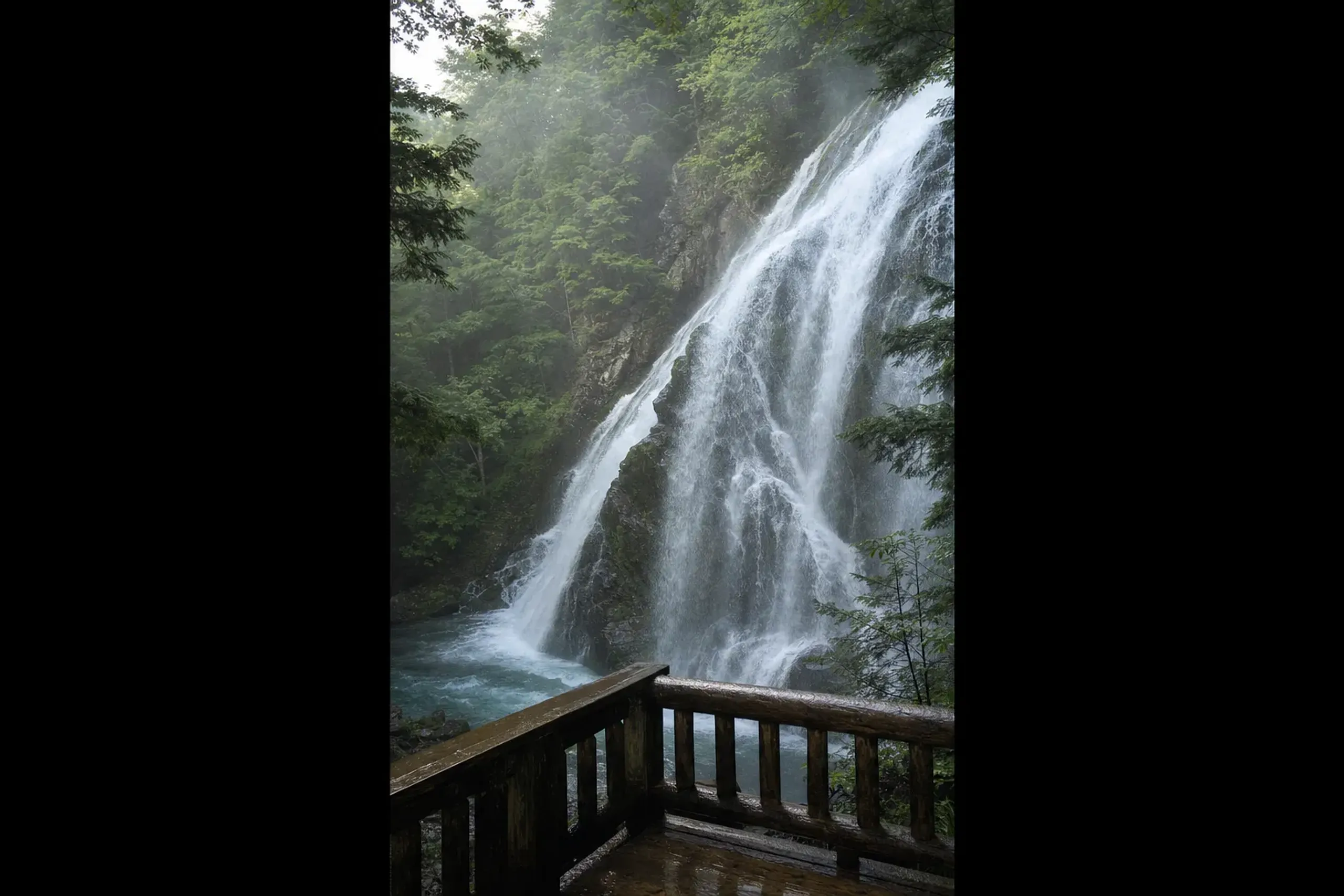
You hear it first. A low, steady roar carried up through the trees, the kind of sound that resets your pace before you even see the water. Then the forest thins, the Yukawa River gathers itself, and Yudaki Falls drops away over a cliff about 70 metres high. Steam and spray. The smell of wet stone and cedar. This is where Nikko goes to be cool.
Oku-Nikko sits at roughly 1,400 metres, a highland world of marsh, lake and lava-dammed water about two hours from Tokyo. Summer here runs some 7 to 8 degrees cooler than central Tokyo. Our team at Japan Royal Service plans this corridor for guests who want open sky and a boardwalk underfoot rather than a crowded shrine courtyard. The walk is honest work — but gentle, mostly flat, and it rewards early starts.
Why The Marsh Is Here At All
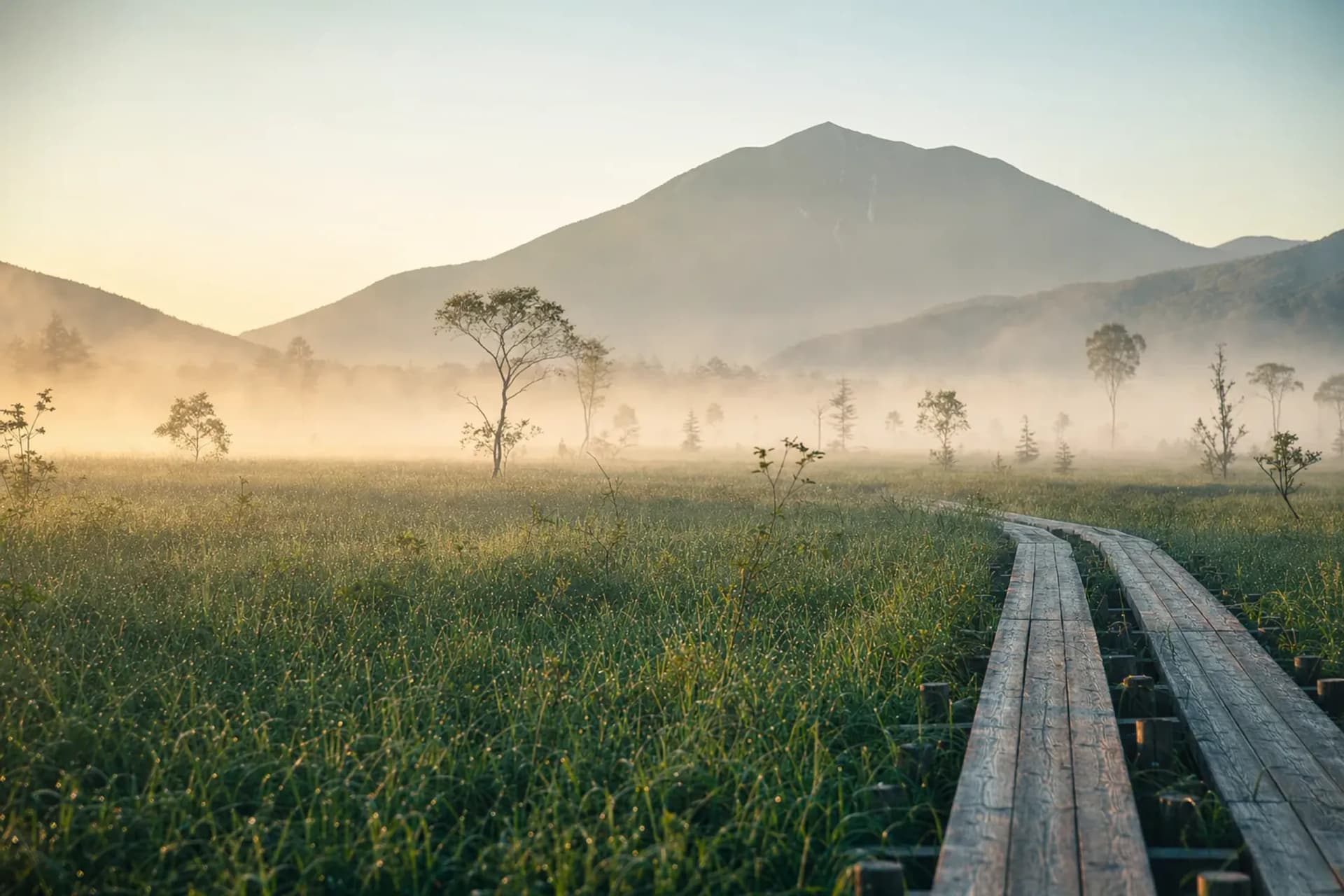
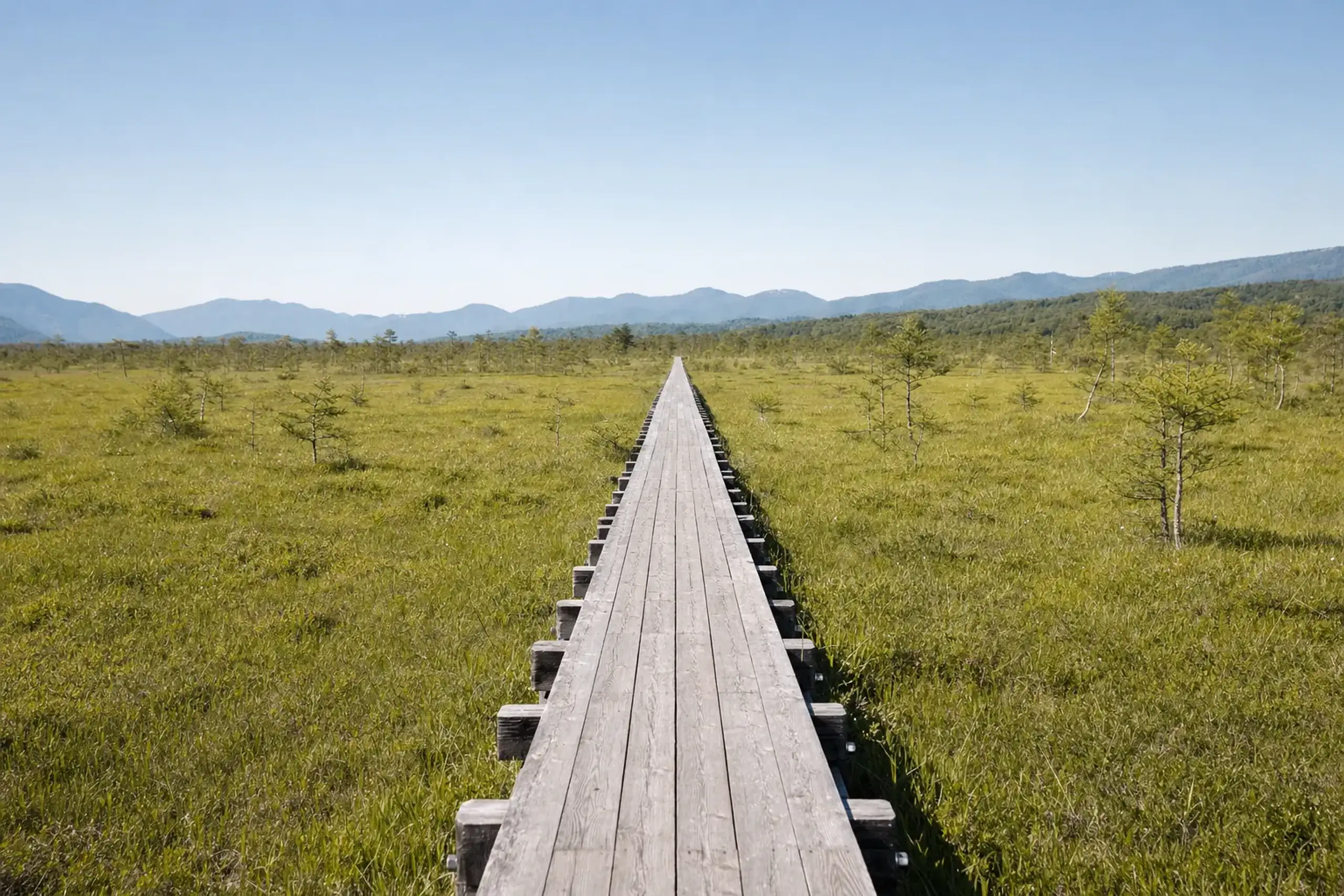
Senjōgahara exists because a mountain got in the way. According to the Nikko tourism association, roughly 20,000 years ago an eruption of Mt. Nantai (2,486 m) dammed a river and formed a lake. Over millennia the lake silted in. What remained is one of the largest highland marshes on Honshū.
The name means "battlefield". According to legend, it marks a clash between the deity of Mt. Nantai and a rival deity from Mt. Akagi. No swords here now.
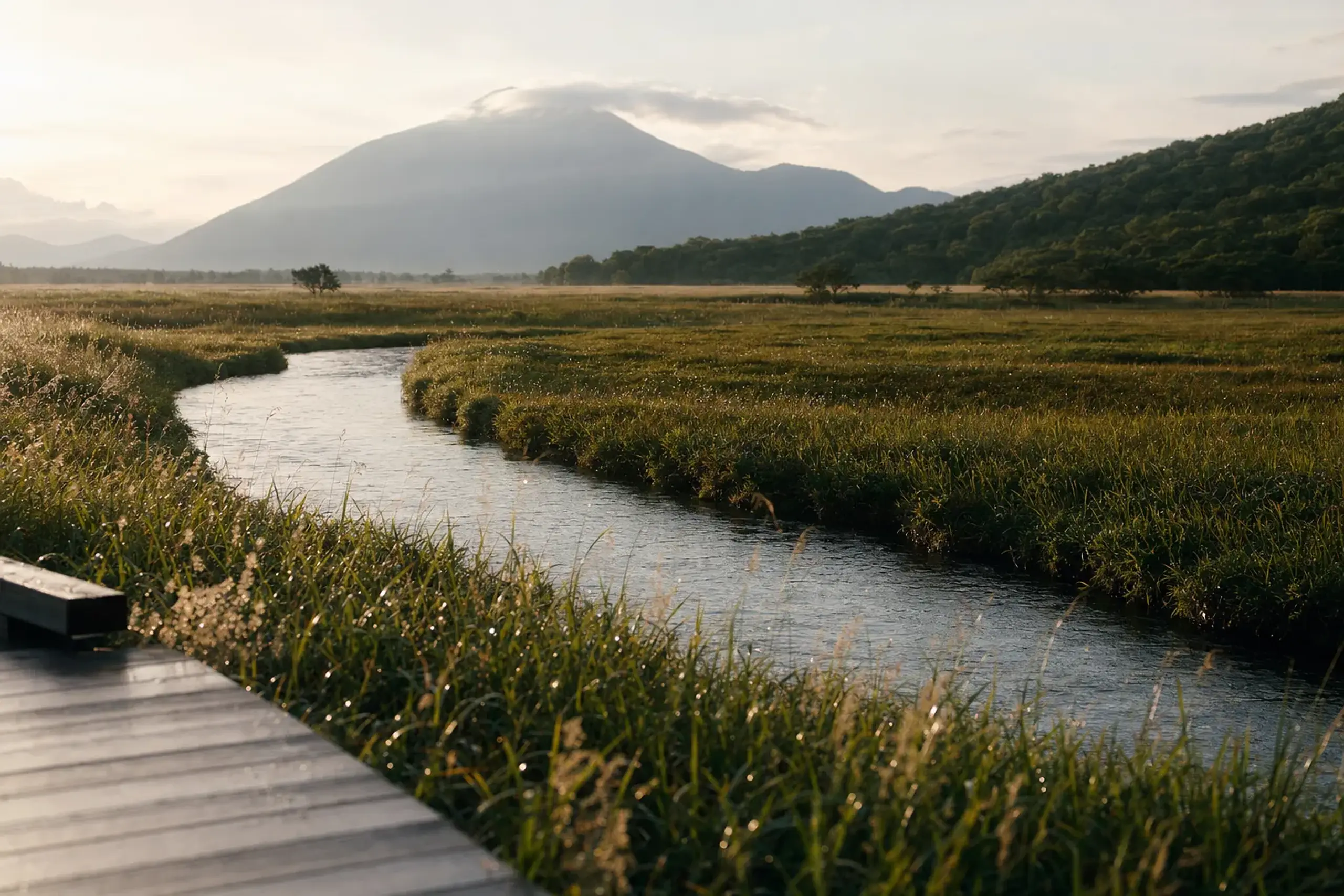
Just a wide plain of grass and reed at about 1,400 metres, with the Yukawa threading quietly through it.
Senjōgahara forms part of "Oku-Nikko Wetlands", a Ramsar site designated in 2005. The registered wetland covers Senjōgahara, Odashirogahara, Lake Yunoko and the Yukawa river. Per Nikko City, only the area west of the national highway is registered. Deer browsing has thinned the mire plants over the years, so you will notice fences — deliberate protection, not decoration.
Key fact: National Park rules are simple and firm. Stay on the walkways. Do not pick plants or feed animals. No permit is needed to walk the trail.
How Long Is The Yudaki To Senjōgahara Walk?
The Yudaki to Senjōgahara walk is about 5 to 6 km and takes two to three hours, flat and mostly on boardwalk. Continuing to Ryūzu Falls adds roughly 2 km.
Sources vary a little. The tourism association gives Yudaki to Akanuma Junction as about 6 km in around two hours, then another 2 km on to Ryūzu Falls for about three hours in all. The Yumoto Visitor Center cites closer to 5 km and 2.5 to 3 hours. Either way, the gradient is kind.
Walk it in order. From the Yudaki-iriguchi bus stop, the viewing platform near the plunge pool is about five minutes away — a short detour, but worth it for the full weight of the falls.
Then the trail enters forest along the Yukawa. Shade covers only the first third. After that you climb onto the raised boardwalk, where shade is scarce. Bring a hat. This is the busiest trail in Oku-Nikko in midsummer and autumn, and it is open year-round.
The 2026 Boardwalk Works And The Detour
Here is the honest flag. The east-side walkway between Yudaki and Kotaki, part of the Senjōgahara loop, is closed for boardwalk repair. Walking from Yudaki into Senjōgahara remains possible via a green-marked detour past the Yudaki viewing platform.
Closure dates in official sources conflict. The two most recent agree the work is scheduled to run to the end of March 2027. A Ministry of the Environment helicopter boardwalk job ran 18 to 20 August 2026 with only brief waits. The point for planning: this is a live situation, so check the notices. The Yumoto Visitor Center page updates often, and the contact in official sources is Tochigi Prefecture's Kensei Environment and Forest Office.
Our concierge team checks trail and bear notices on your behalf ahead of the visit. If a section is restricted, we rebalance the day — a longer forest stretch, a later start, the Yunoko loop added as insurance. Nobody arrives to a closed gate they hadn't heard about.
What Flowers Bloom In Senjōgahara In July And August?
In July, Senjōgahara shows noharashōbu-type iris (past peak by late July), hozaki-shimotsuke reaching its peak mid to late July, and noazami from July into early August.
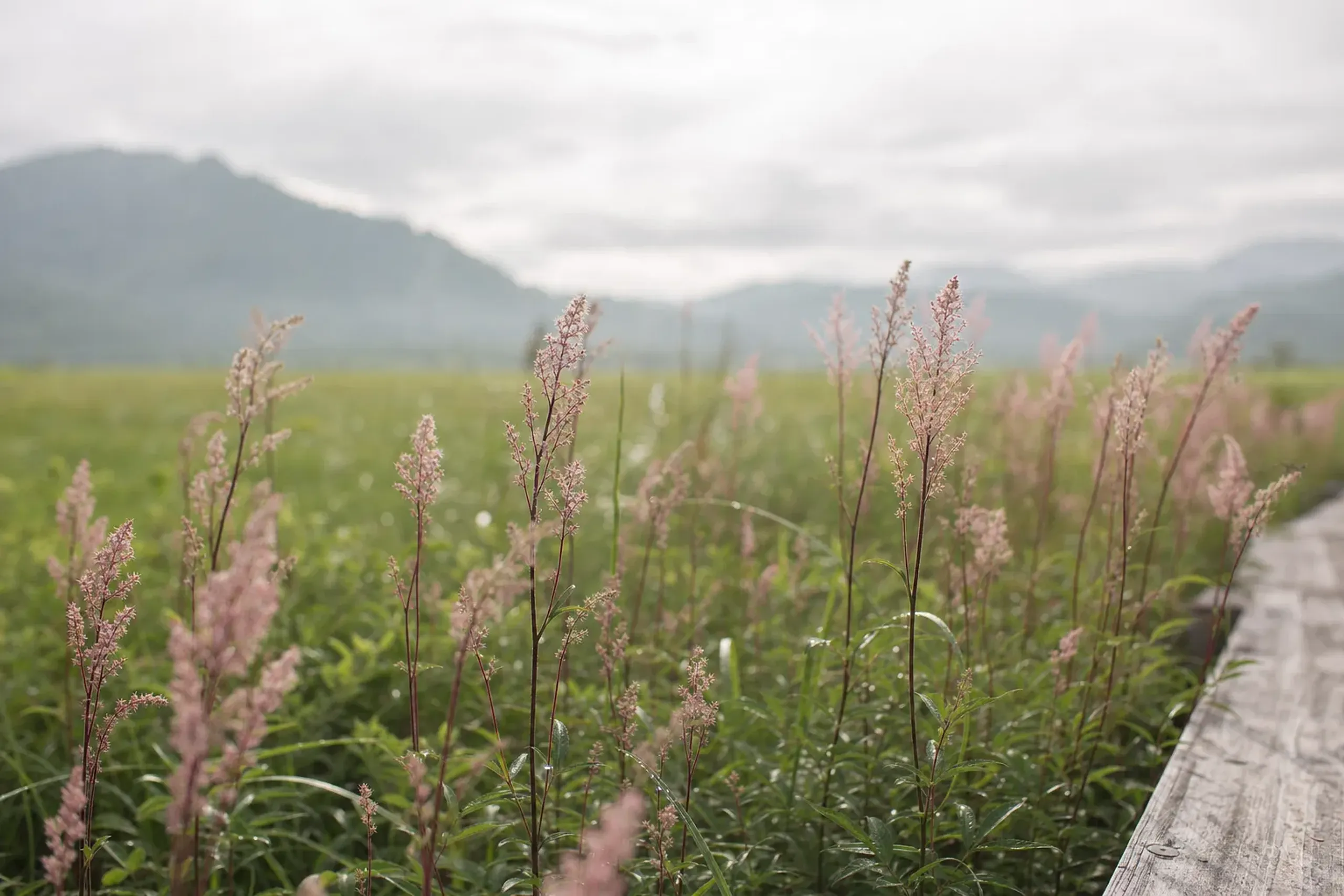
The plain is never garish. It greens and flickers.
A few corrections worth carrying with you. Cotton grass (watasuge) is a June to early-July sight — do not expect it as a midsummer headline. And nikko-kisuge, the day-lily people associate with this corner of Japan, flowers July to August chiefly at Odashirogahara per the Ministry of the Environment, not as the Senjōgahara banner.
The marsh in summer rewards patience rather than spectacle. Low sun across the reeds. A heron lifting off the Yukawa. This is exactly where our naturalist-minded guiding earns its place — reading what is actually in bloom that week, not what a brochure promised in a different month.
Will I See Bears On The Senjōgahara Trail?
Possibly. Black bear sightings are frequent in Oku-Nikko in summer, including dozens recorded in the 2026 season, with sightings in Senjōgahara across July and August. This is not a reason to stay home. It is a reason to walk sensibly.
The Visitor Center, Tochigi Prefecture and Nikko City give consistent advice. Bears are active at dawn and dusk, and in rain or fog — though daytime sightings have become common. Don't walk alone.
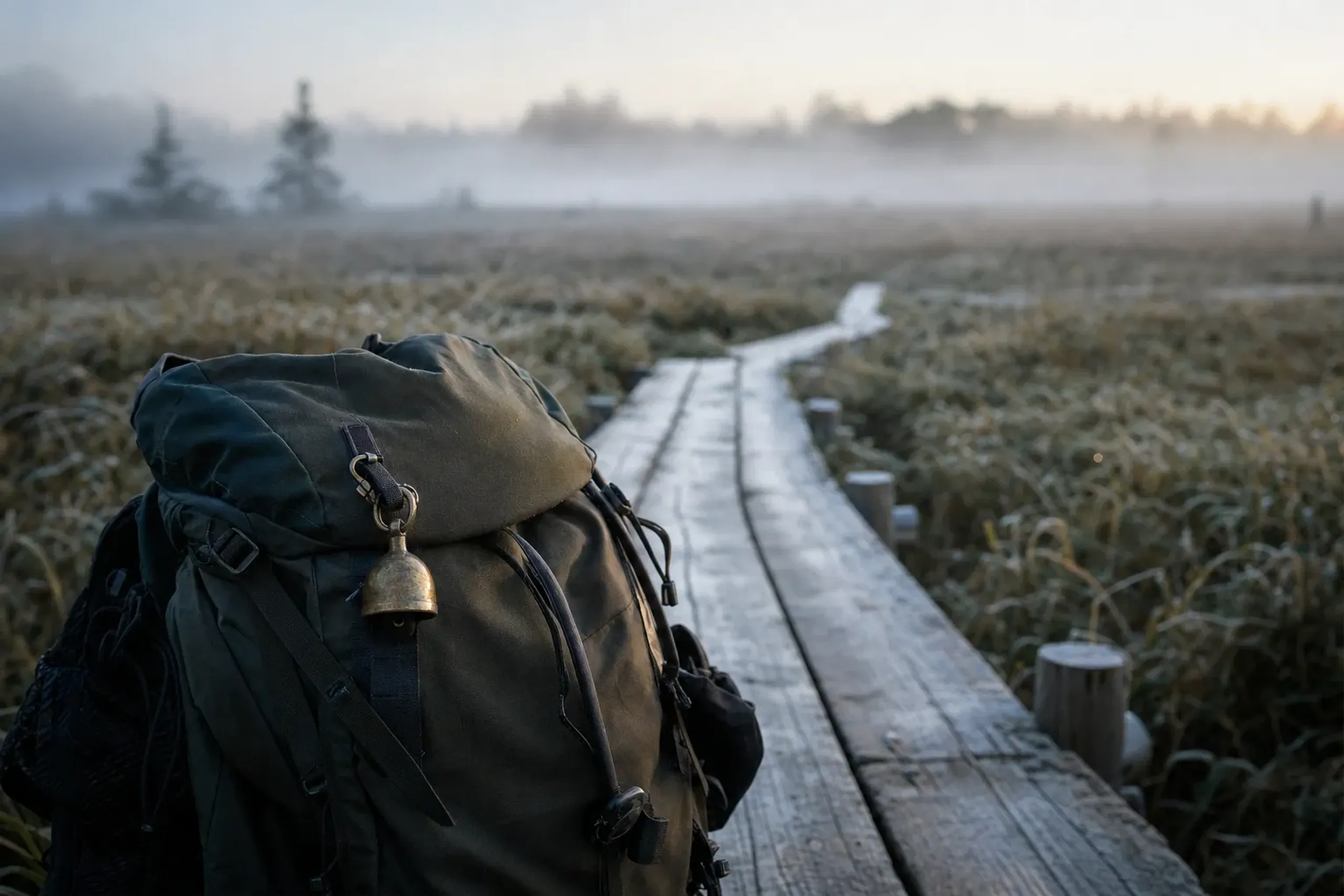
Carry a bell; the Visitor Center notes that radios are not effective for this. If you do meet one, don't run, don't photograph, and back away slowly.
Context helps calm the mind: Nikko City reported no injuries from bears in the 2026 fiscal year as of early October. On the days our team coordinates guiding, a cultural interpreter guide walks with you, carries a bell, and keeps to the walkways as the rules require. The marsh stays open sky, not a thing to fear.
Lake Yunoko And Yumoto: The Two Bookends
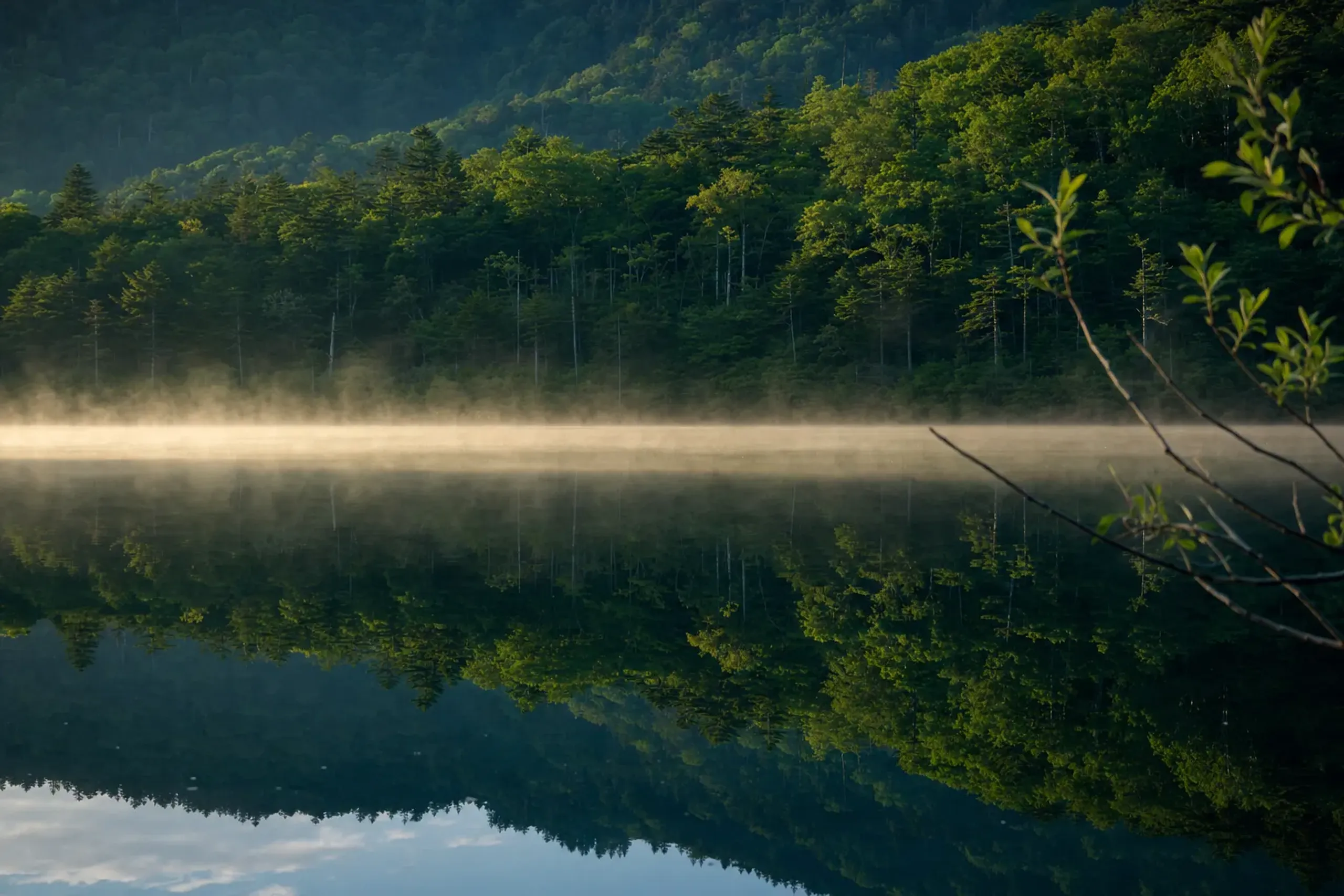
The corridor has natural ends. Above Yudaki sits Lake Yunoko, a quiet sheet of water at 1,478 metres, dammed long ago by an eruption of Mt. Mitsudake. It covers 0.35 km², runs 2.9 km around, and reaches 14.5 metres deep. Its outflow becomes the Yukawa — the very river that later drops over Yudaki. The lake loop is about 3 km, an easy hour to ninety minutes, almost flat.
Beyond the lake lies Yumoto Onsen, believed discovered by the monk Shōdō over 1,200 years ago. The water runs milky-white with sulfur. There is a free foot bath, closed in winter, and more than twenty inns. New supply has arrived too: UNWIND HOTEL & BAR Okunikko, a rebranded and renovated property in Yumoto, opened in August 2026.
This is the base-stay decision we talk through with guests.
Lake Chūzenji offers larger-scale hotels and broader dining; Yumoto offers the onsen village, higher and quieter, with the trailheads close. If your trip centres on the marsh and the walk, Yumoto wins on proximity. If you want a grander lakeside evening, Chūzenji earns its place. Both sit inside a single tailor-made itinerary without backtracking.
Irohazaka, The Bus, And How We Plan The Day
Everything funnels through Irohazaka, the famous switchback road with 48 hairpins across two one-way routes and a climb of about 440 metres. Normal transit is 20 to 30 minutes. At autumn peak it can stretch to two or three hours. Summer is kinder, though Yumoto's own traffic peaks in August.
Public access runs via Tobu Bus Nikko from JR Nikko or Tōbu-Nikkō, heading toward Yumoto through Irohazaka and Chūzenji Onsen. Approximate times from the station: Chūzenji Onsen about 40 minutes, Ryūzu about an hour, Sanbonmatsu about 65 minutes, Yudaki-iriguchi about 75 minutes, Yumoto Onsen about an hour and 25 minutes. Note the Nikko low-emission bus between Akanuma and Senju-ga-hama does not serve Yudaki or Senjōgahara.
Getting to Tōbu-Nikkō from Tokyo takes about 1 h 50 min by the direct Spacia or Revaty from Asakusa. From there, our approach is a one-way walk. A private chauffeured vehicle drops you at the upper trailhead near Yudaki and collects you at Ryūzu Falls or Akanuma, so you never retrace your steps or wait for a bus that is full.
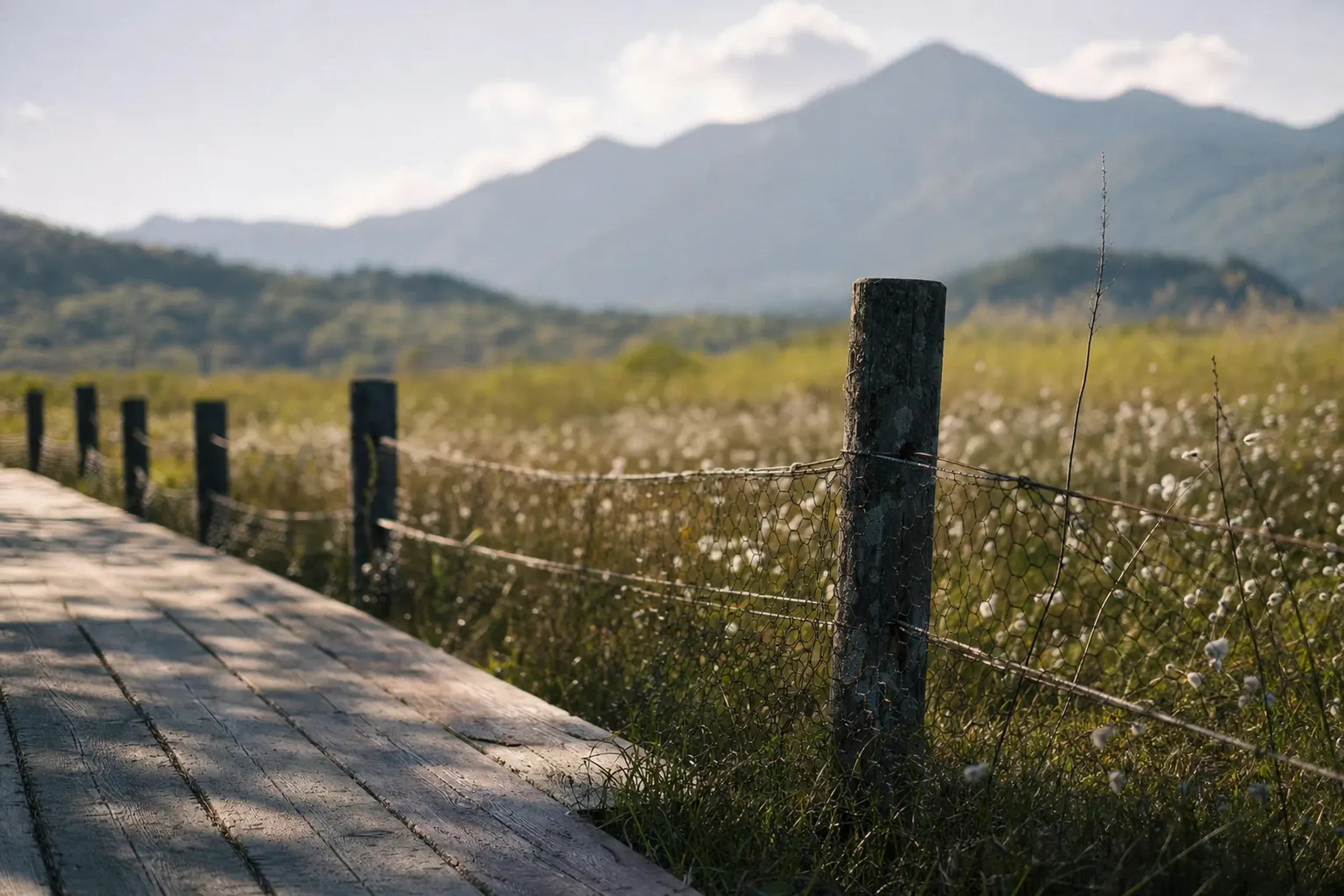
Tochigi's own advice echoes ours: go early or late, choose Tuesday to Thursday, and avoid the midday clustering. For a wider loop of the region by car, our guide to Tokyo day trips by car maps the options, and the standalone Kegon Falls post covers the lower valley.
Frequently Asked Questions
How long does the Yudaki to Senjōgahara walk take, and is it difficult?
About two to three hours over 5 to 6 km, and it is not difficult. The route is flat, mostly on raised boardwalk, with a short forest section at the start. Continuing to Ryūzu Falls adds roughly another 2 km.
Is the Senjōgahara trail open in 2026, given the boardwalk repairs?
Yes. The Yudaki-to-Kotaki east-side section is closed for repair scheduled to run to the end of March 2027, but a green-marked detour past the Yudaki viewing platform keeps the walk into Senjōgahara open. Check current notices before you go.
How much cooler is Oku-Nikko than Tokyo in summer?
Roughly 7 to 8 °C cooler. Oku-Nikko averages about 18 °C in July and August, against central Tokyo's upper-20s. The highland air, boardwalk breeze and waterfall spray make it a genuine summer escape.
Do I need a permit or guide to walk Senjōgahara?
No permit is required, and the trail is public.
A guide is not mandatory, but a cultural interpreter adds plant and wildlife reading, bear-safe walking, and timing to miss the crowds. Our team coordinates guiding, transfers and base stays around your dates.
Why Choose Japan Royal Service
Oku-Nikko is a public place with public buses and public trails, and we never pretend otherwise. What we add is the quiet machinery behind a flawless day. Our concierge team at Japan Royal Service checks the boardwalk and bear notices before you travel, so a closed section becomes a reshuffled plan rather than a surprise. We arrange private transfers through our partner fleet, coordinate accommodation at Yumoto or Chūzenji to suit your pace, and engage cultural interpreter guides who know which flowers are actually out this week.
Discretion runs through all of it. Your itinerary and your identity stay between us. In our experience, the difference between a good highland day and a great one is small and invisible: the right start time, a one-way walk, a vehicle waiting where the trail ends. That is the work we do, out of sight, so the only thing you notice is the sound of the river going over the cliff.
To plan your Oku-Nikko summer privately, reach our team directly via WhatsApp or LINE, or contact us here.