In this guide
- 01What Are The Oki Islands, And Why Do They Feel So Far Out?
- 02Kuniga Coast And Matengai: The Cliffs You Have To Earn
- 03Is The Kuniga Sightseeing Boat Worth It In Summer?
- 04When Is Beach Season In The Oki Islands, And Is Swimming Safe?
- 05Ox-Sumo And A One-Line History Lesson (Go-Toba)
- 06How Do You Get To The Oki Islands In Summer?
- 07What Happens When The Wind Turns: Typhoons, Cancellations, And The 6:30 Update
- 08How Our Concierge Team Plans An Oki Islands Summer Trip
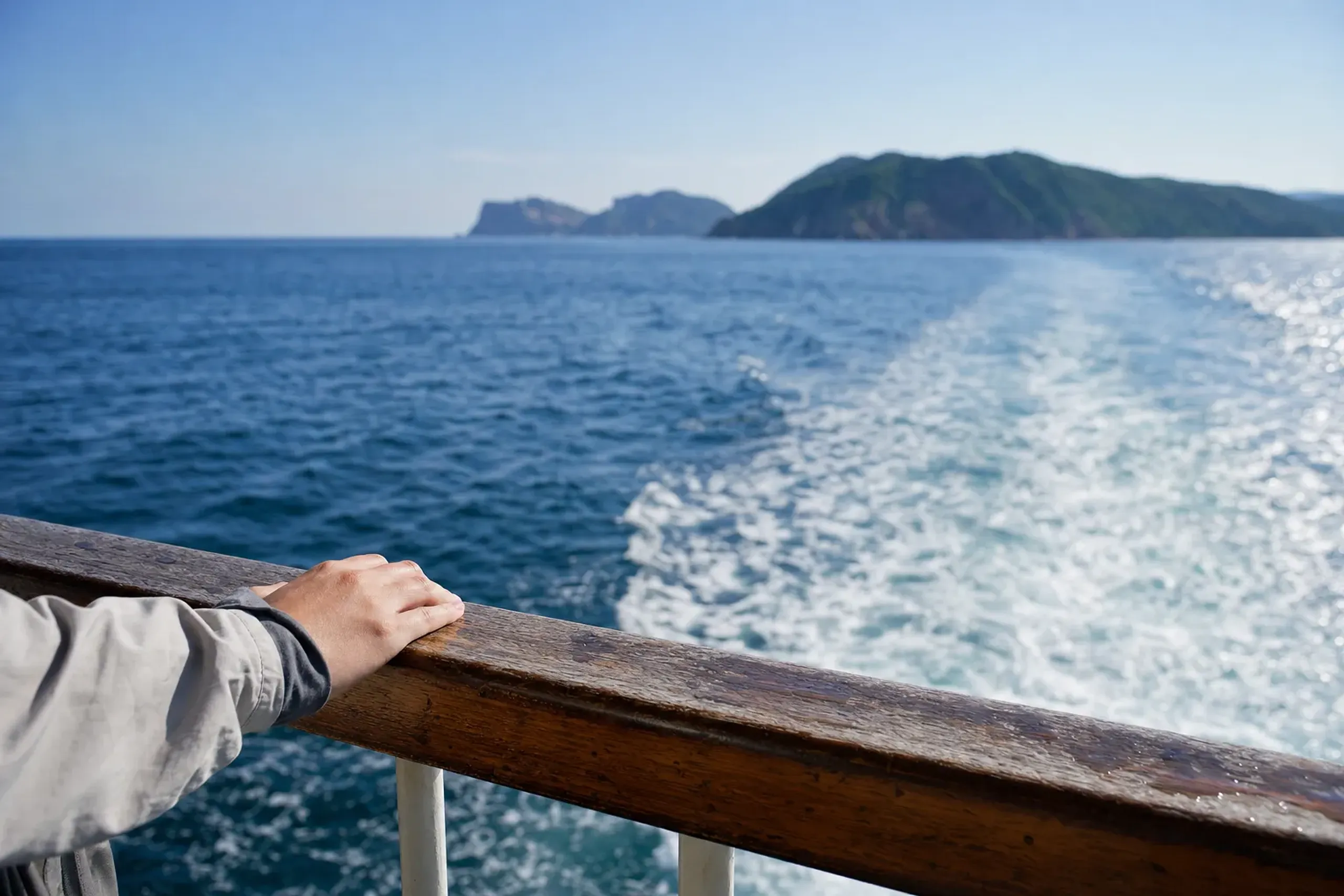
The ferry eases away from the mainland port and, almost at once, the land begins to look negotiable. Not gone. Just receding.
You watch the wake stretch out like a ruled line across the Sea of Japan, and you realize the Oki Islands do not simply “fit in” between other plans. They take the day you give them, and sometimes they ask for more.
That is precisely the point. In summer, Oki feels close enough to reach, yet far enough to behave like an island group that answers to wind, tide, and a timetable that may rewrite itself on the morning of departure. For the traveler who has grown weary of destinations engineered for applause, this is the kind of place that still keeps its own counsel — the Japan that a search engine cannot hand you, reachable only by those willing to go the distance and plan it well.
What Are The Oki Islands, And Why Do They Feel So Far Out?
The Oki Islands are four inhabited islands lying roughly 40–80 km offshore in the Sea of Japan, together forming the Oki Islands UNESCO Global Geopark, with Dōgo to the north and the three Dōzen islands to the south.
The names matter, because your days will follow them. Dōgo is the larger northern island, administered as Okinoshima Town. The Dōzen group is split among Nishinoshima Town, Ama Town (on Nakanoshima), and Chibu Village (on Chiburijima).
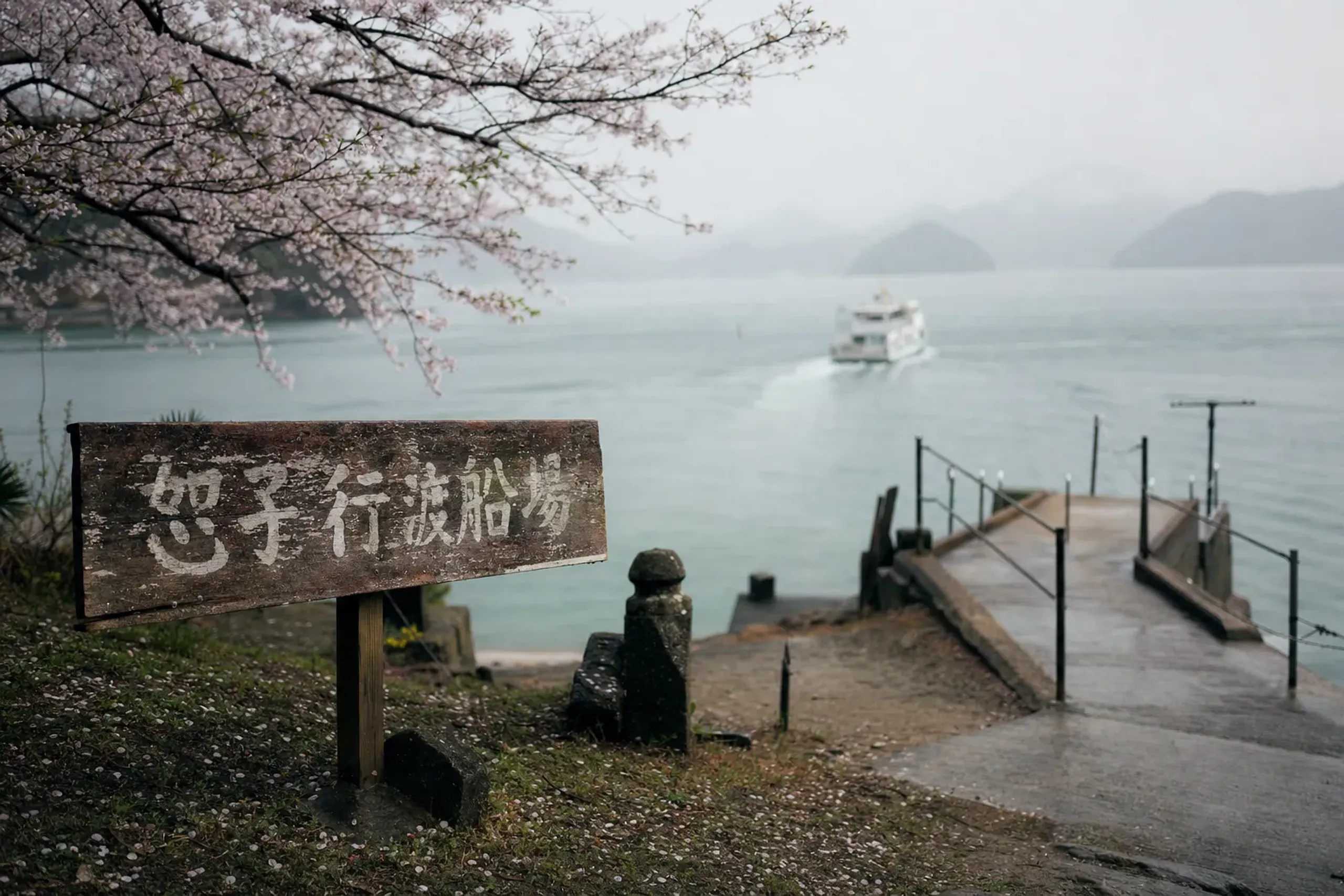
This is not a “drive-and-hop” destination. The sea crossing is measured in hours, not minutes, and once you arrive, each island still keeps its own port, its own rhythm, and its own weather mood.
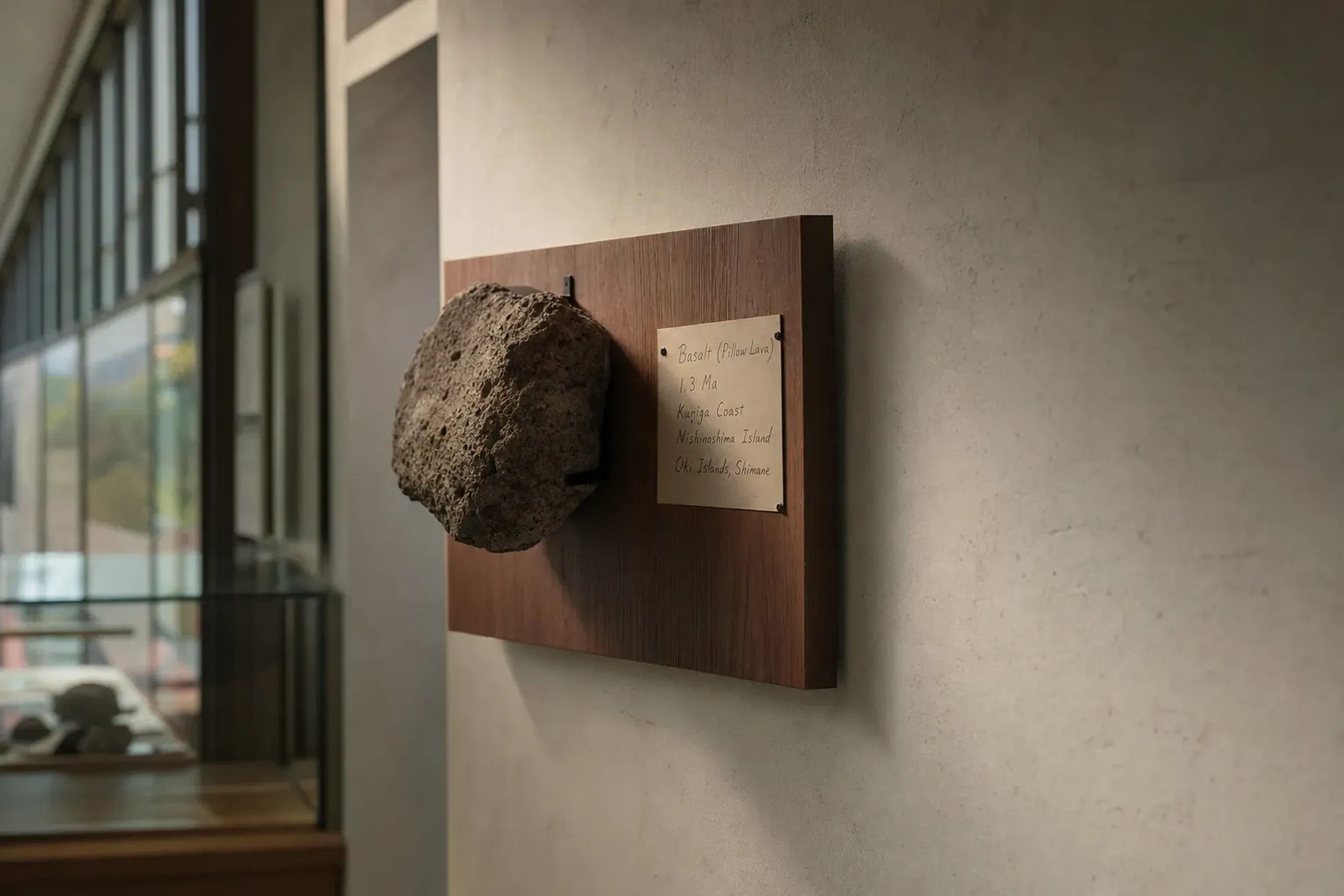
The geopark story is not a marketing layer; it is the ground under your feet. Official geopark materials describe the islands as having emerged from the sea floor about six million years ago, shaped by plate tectonics and volcanic activity. Rock reads like narrative here. And it keeps you looking down as much as out.
Key fact: Oki became a Global Geopark in 2013 and has been a UNESCO Global Geopark since 2015.
Kuniga Coast And Matengai: The Cliffs You Have To Earn
Kuniga Coast runs some 7 km along Nishinoshima, inside Daisen-Oki National Park, where the land ends without softening and the sea looks darker than you expect in summer.
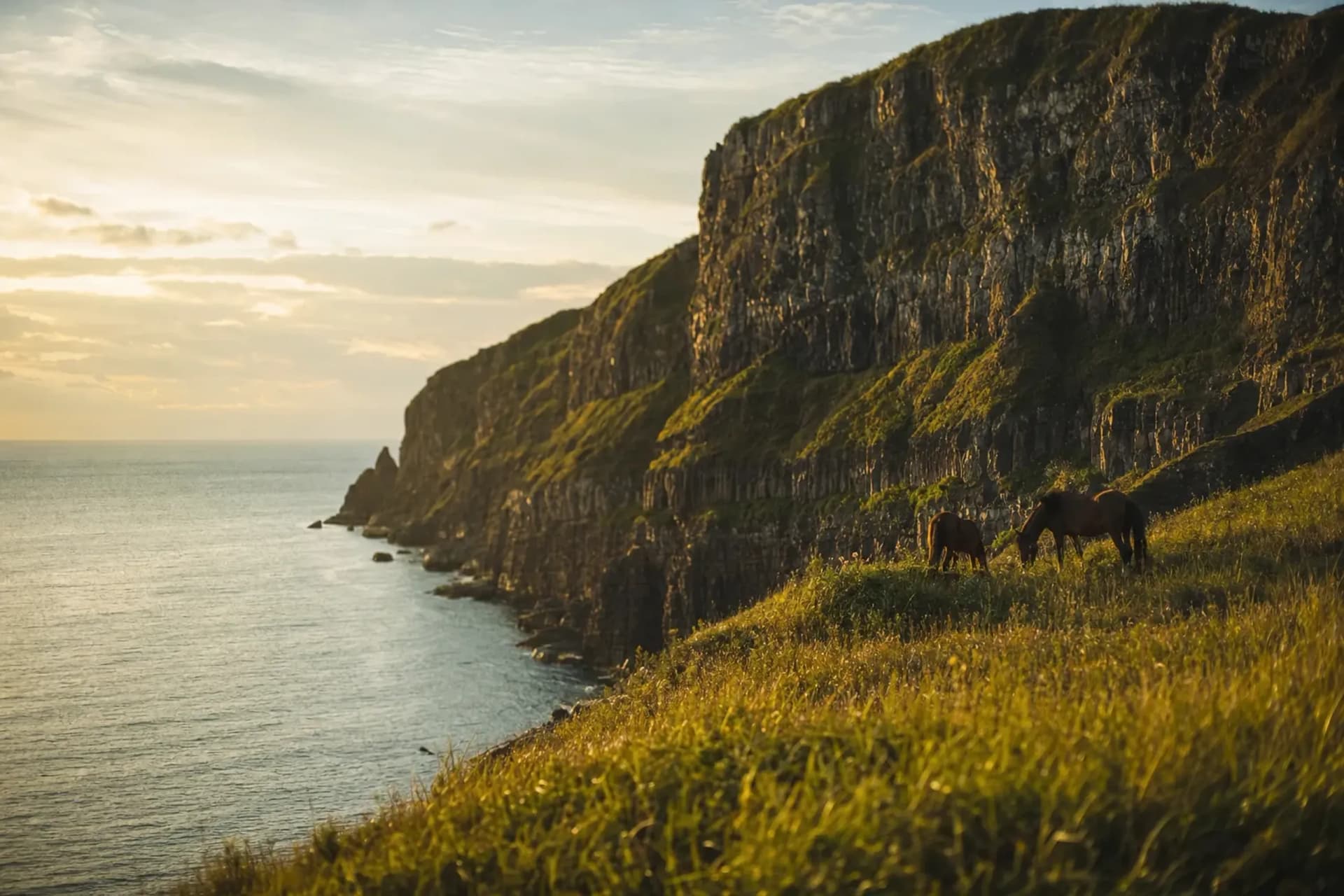
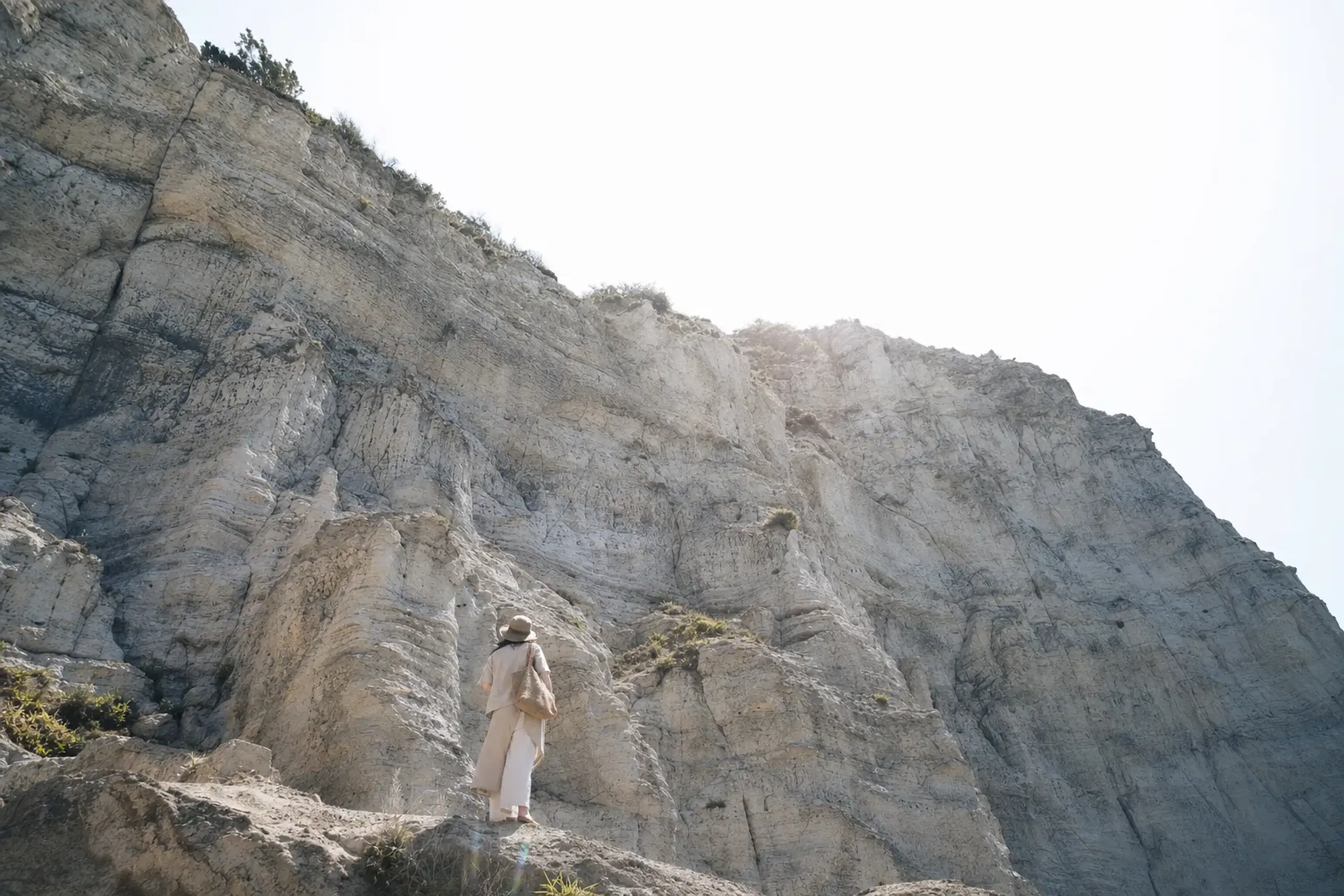
Matengai is the name that stays with you. The sea cliff rises 257 m above the water, counted among the highest sea cliffs in Japan. On clear days, the horizon feels like a blade laid flat against the light.
This is not a “pull up, take a photo, leave” place. The finest views are tied to walking, open sky, and the small physical tax of wind on your shoulders. No shortcuts. That, too, is a kind of privacy: the reward is earned on foot, so the crowd thins with every step.
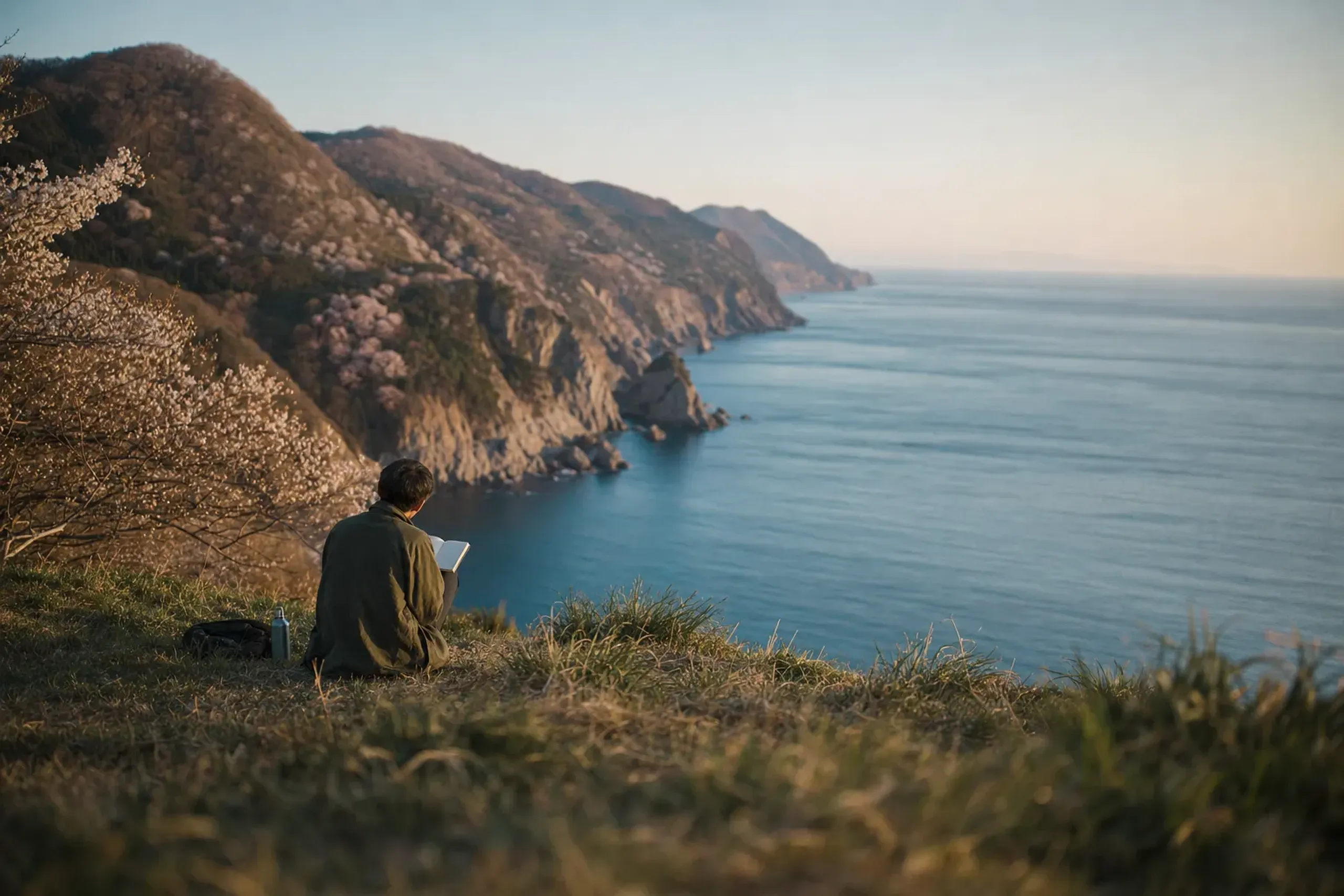
The Trail: Short, Uncovered, And Surprisingly Serious
The Ministry of the Environment describes a trail of about 2.3 km descending from the top, taking roughly 1.5 hours. It is not long. It is exposed.
Expect sun, sudden rain, and gusts that stop conversation mid-sentence. Bring layers even in July. That advice is not dramatic; it is practical, because much of the route has little tree cover.
Shimane Prefecture notes the route runs from the top of Matengai down toward Kunigahama. There are no shops or restaurants nearby. Once you start, your “I’ll just buy water there” plan quietly disappears.
Animals On The Grass: Keep Your Distance
Cows and horses graze across the Matengai area, and they are not scenery. They are large animals living by their own rules.
Local guidance warns that animals can be aggressive, and that you should keep a safe distance. Do not walk behind a horse. Do not let a photo plan push you closer than your instincts allow.
Why Kuniga Coast Is A Different Kind Of Luxury
Some coastlines impress you with infrastructure. Kuniga impresses you with restraint.
In our experience at Japan Royal Service, discerning travelers who have tired of over-signposted “must-sees” tend to exhale here, because the place refuses to perform. You stand, you listen, you wait out the wind, and the reward arrives slowly — which is to say, on its own terms rather than yours.
It also suits a certain craft-minded sensibility. If shokunin is devotion to process, Kuniga is its landscape equivalent: nothing is rushed, nothing is made easier for approval. For those who find wabi and sabi in weathered stone and salt-worn grass, the coast offers a quiet that few places in Japan still protect.
Is The Kuniga Sightseeing Boat Worth It In Summer?
Yes — provided you treat it as a sea-conditions-dependent viewpoint of Kuniga Coast rather than a guaranteed cave cruise.
Official listings describe a Kuniga Coast sightseeing cruise departing Urago Port, operating roughly from spring to October, with an outing of around an hour and a half. The exact duration is sometimes given as about 1 hour 20 minutes, but the key truth is simpler: the boat runs on the sea’s terms, not yours.
On calm days, you see the cliffs from below and understand their scale in your ribs. The waterline caves look like cutouts in black paper. You also feel how quickly conditions can turn around these islands.
Some cruises may enter the sea caves only if conditions allow. Do not build your day around that. Build your day around the coast itself, and let the cave be a bonus.
How To Think About Timing
In summer, the light can be unforgiving at midday. The cliff faces read differently when the sun angles lower, and shadows begin to reveal the geology.
If your schedule allows, keep your boat-cruise day flexible within your stay. A calm-morning window may open after an unsettled afternoon — or the reverse. Knowing when to wait, and when to move, is a quiet form of the seasonal reading the Japanese call shun, and it is exactly the sort of judgment a trip like this turns on.
When Is Beach Season In The Oki Islands, And Is Swimming Safe?
Beach seasons usually run from mid-July to mid-August; typhoons and heavy rain can shorten them, so the islands confirm dates each year.
Summer in Oki is warm, humid, and wind-prone. Japan Meteorological Agency normals for Saigō (1991–2020) show a July mean temperature of 24.6°C and 26.1°C in August, with high rainfall and steady humidity. It can feel sticky one moment, then suddenly cool when the wind rises.
The beaches are not “resort-managed.” They are local beaches with simple facilities and straightforward rules. That is part of their charm. It is also where you need to be an adult about safety.
Where The Main Beaches Are (By Island)
- Dōgo (Okinoshima Town): Shiohama Beach, Nakamura Beach, Kasuganohama Beach, Fukuura Beach
- Nakanoshima (Ama Town): Akiya Coast, Rainbow Beach, Furoya Beach
- Nishinoshima: Sotohama Beach, Oyama Beach
- Chiburijima (Chibu Village): Watatsu Beach
As a labeled example only, the Oki Geopark visitor site listed 2024 beach seasons starting around 13–20 July and ending around 12–18 August for several beaches, with some variation by island.
The pattern is consistent: a short window. Plan for it.
Sea Safety: Read This Before You Pack Goggles
The official visitor guidance is blunt, and we share its tone. Lifeguard staff are not licensed lifesavers, so you should not swim alone.
There are no anti-jellyfish nets, and waves can carry jellyfish into the swimming area. Bring a long-sleeved rash guard. Simple. Effective.
Some locations carry strict rules. Swimming in the canal at Sotohama is strictly forbidden. And Nagao Beach is unstaffed, with no buoy line, according to official beach notes.
Key fact: Oki beaches are a pleasure, but they are not “fully supervised.” Do not swim alone, and treat wind and waves as the decision-makers.
Ox-Sumo And A One-Line History Lesson (Go-Toba)
Oki’s ox-sumo tournaments are typically held in late summer and autumn, with main events every year in August, September, and October, while demonstration events run on an irregular schedule.
It is quietly moving to watch a small island community keep a tradition alive without turning it into a spectacle. Arrive curious, not loud. Let the locals set the tempo — the restraint on your part is part of the welcome you receive.
And one line of history, because Oki is not only nature: the Oki Shrine page notes that the retired Emperor Go-Toba was exiled to the Oki Islands in 1221, after the Jōkyū Disturbance.
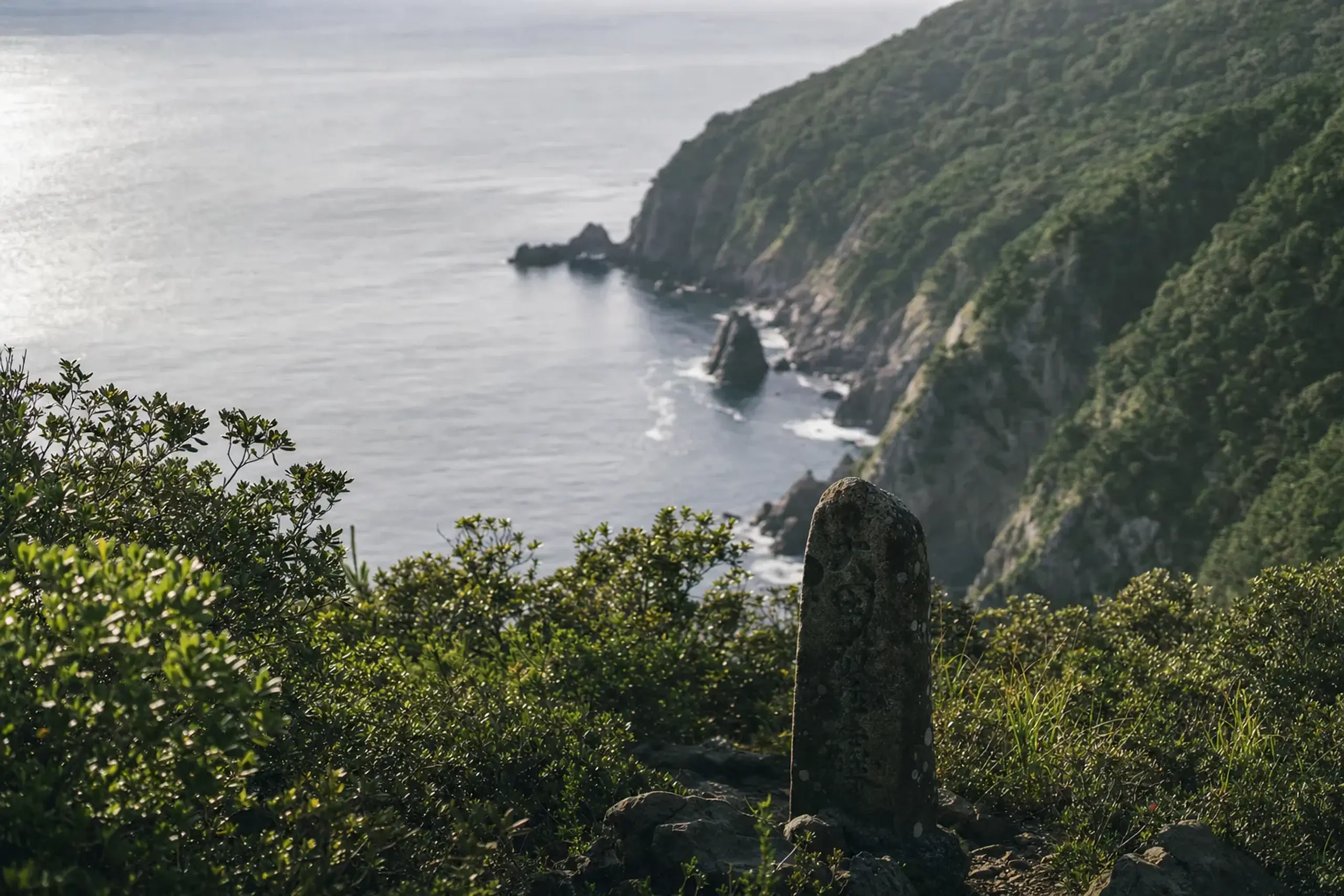
Even now, the islands carry that sense of distance as consequence — an imperial thread running quietly beneath the geology, the kind of layered history we love to open up for guests who care to look closer.
How Do You Get To The Oki Islands In Summer?
You reach the Oki Islands by public ferry or hydrofoil (Rainbow Jet) from Shichirui Port (Shimane) or Sakaiminato (Tottori), or by flying to Oki Airport on Dōgo and continuing by local transport.
In practice, your route is a chain. Mainland station or airport. Transfer to port. Sea crossing. Arrival port. Then local buses, taxis, or a rental car, depending on your plan. For those who would rather not improvise each link, a private chauffeur arrangement on the mainland removes the first and most fragile transfers from the equation entirely.
Oki rewards travelers who enjoy logistics. If you do not, you simply need a plan that removes the daily guesswork for you.
Mainland Ports And Island Ports (Know The Names)
The mainland ports are Shichirui (Matsue, Shimane) and Sakaiminato (Tottori). On the islands, the key ports are Saigō (Dōgo), Beppu (Nishinoshima), Hishiura (Ama/Nakanoshima), and Kurii (Chiburijima).
There are also inter-island services, including an inter-island passenger vessel (Isokaze) and a smaller inter-island ferry (Dozen). For Ama and Chibu, routes often involve changing at Nishinoshima, depending on the sailing.
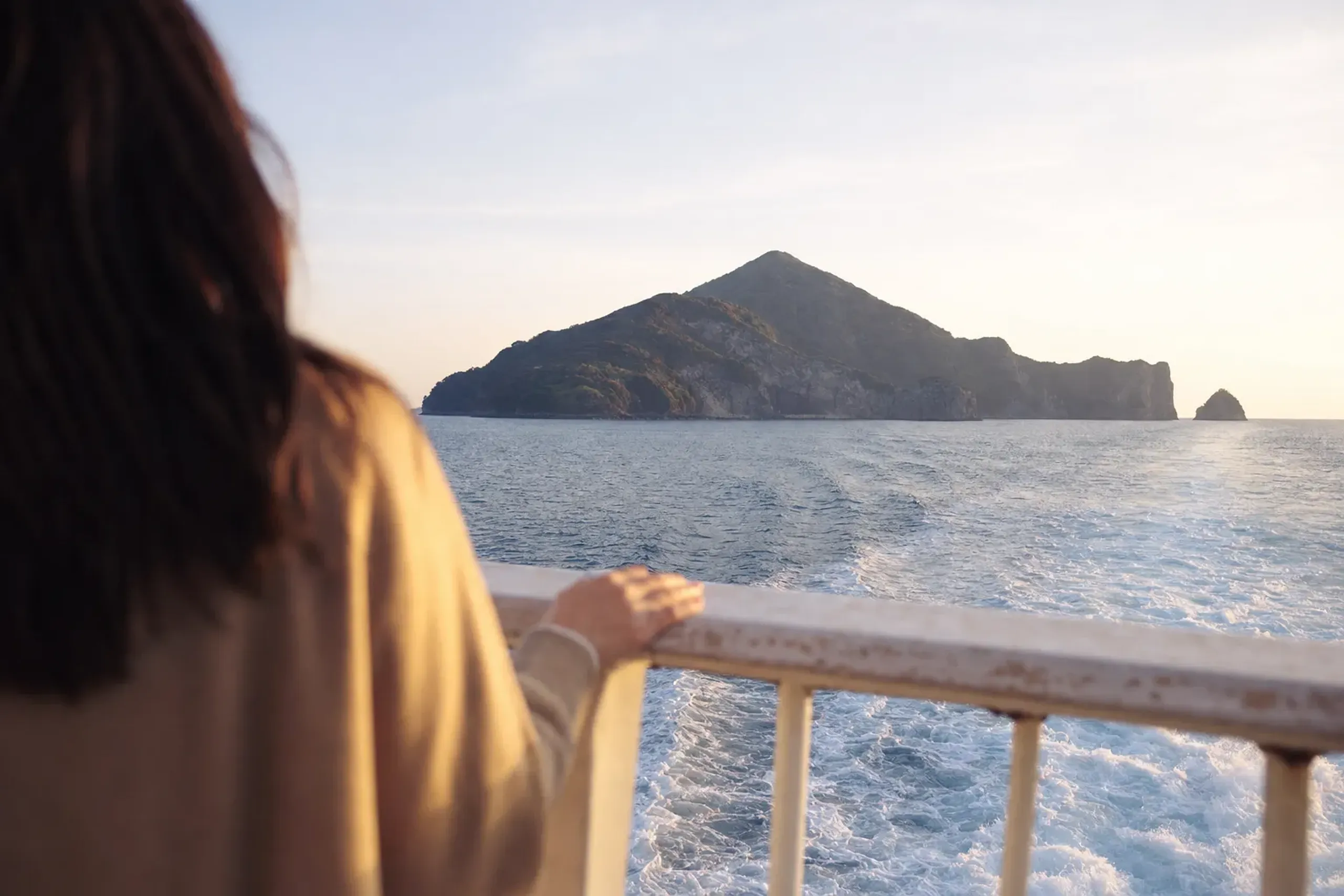
How Long Is The Crossing?
As indicative ranges drawn from official visitor guidance and a timetable PDF covering 2024 into early 2025, the large ferries are generally about 2 to 3 hours, while Rainbow Jet runs roughly 1 to 1.5 hours. Confirm the exact timetable before you commit.
One example set of indicative times (not a promise for your dates): Shichirui to Saigō about 145 minutes by ferry, Shichirui to Kurii about 120 minutes, and Sakaiminato to Beppu about 160 minutes. Rainbow Jet examples include Saigō to Shichirui about 69 minutes and Saigō to Sakaiminato about 83 minutes.
Do not treat those numbers as a contract. Treat them as a planning sketch.
Rainbow Jet: Fast, Seasonal, And Weather-Sensitive
Rainbow Jet does not run in winter, and it can be cancelled in adverse weather. In the warm months it is often less disrupted than winter service, but typhoons change everything.
No 2026 or 2027 season dates were confirmed in the official material we relied on for this guide. Check the operator’s updates close to travel.
Flights: Oki Airport Exists, But Do Not Assume Frequency
Oki Airport sits on Dōgo, and the official visitor site states that JAL operates flights from Osaka Itami and from Izumo. We do not assume daily service, and neither should you.
On arrival, the airport to Saigō Port is about 10 minutes by bus, according to the visitor site.
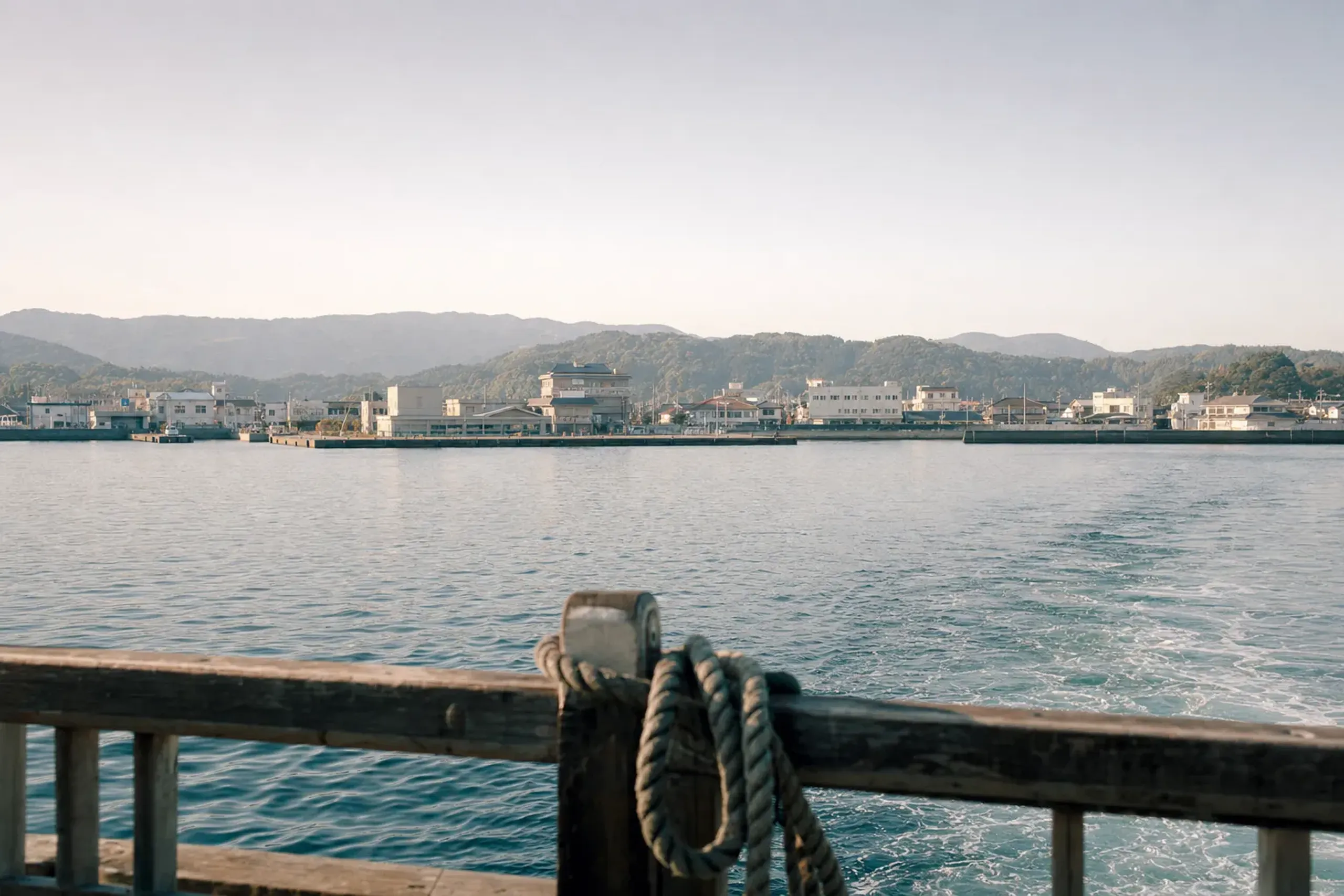
That short hop can feel like a gift after the sea crossing.
Getting To Shichirui Port
The visitor site notes that a connecting bus from Matsue Station to Shichirui takes about 40 minutes. A Matsue City notice also indicates that the bus timetable changes, so confirm close to your date.
If you are building a tight connection, leave slack. The islands are not impressed by your spreadsheet.
What Happens When The Wind Turns: Typhoons, Cancellations, And The 6:30 Update
In Oki, cancellations are normal in bad weather, and Oki Kisen posts service updates daily at 6:30.
The official visitor guidance is clear: ferries, Rainbow Jet, and inter-island services do not operate in adverse weather. Summer eases some of winter’s friction, but it does not take the sea out of the decision.
Typhoon season is described by the visitor site as running from May to October, peaking in September and October. Which means late-summer trips can feel flawless — right up until they don’t.
Our practical advice is boring, which is exactly why it works. Carry one spare day within your Oki segment. Keep lodging flexible where possible. And never stack your international departure on the same day you are “supposed” to return to the mainland.
How Our Concierge Team Plans An Oki Islands Summer Trip
Our team at Japan Royal Service builds Oki itineraries around the public ferry timetable, Rainbow Jet seasonality, and the reality of summer wind — then adds a spare day so a single cancellation does not unravel the trip.
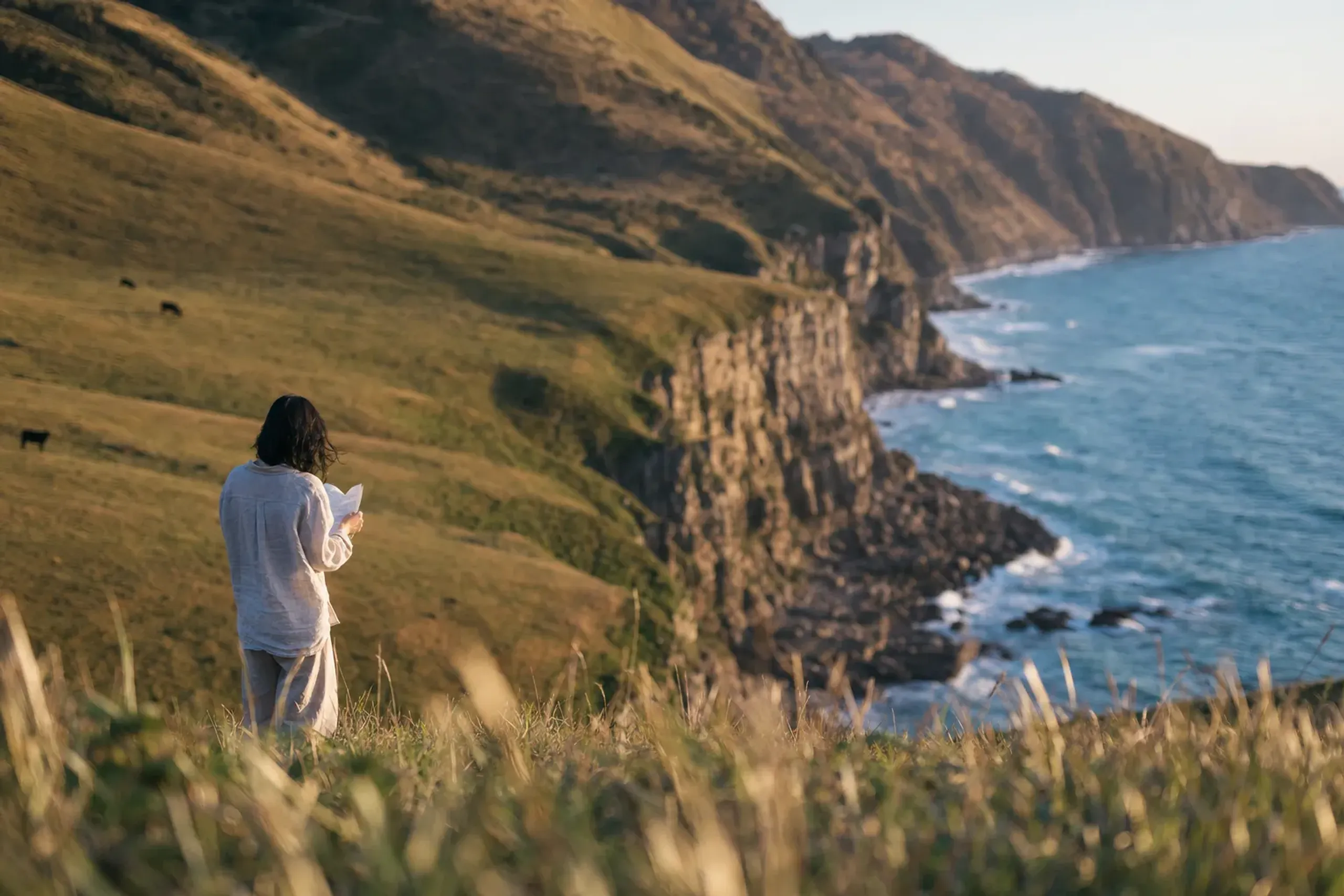
This is where a tailor-made itinerary becomes more than a preference; it becomes risk management. The islands reward patience, but you still want your days to land cleanly — and, where we can, we open quiet doors on the mainland and the islands that are not advertised anywhere, arranged with the discretion our guests expect and never discussed beyond our own desk.
We begin with sequence, not a wish list. Which island first. Which port you land in. Which day is best for Kuniga’s trail, and which day can be swapped if the seas rise.
Step-By-Step: A Sensible Planning Order
- Step 1: Choose your base island(s): Dōgo only, or split your time with Nishinoshima/Ama/Chibu.
- Step 2: Identify your “non-negotiable” day: the Kuniga Coast hike or the Kuniga sightseeing boat.
- Step 3: Add one buffer day inside Oki, not after it.
- Step 4: Keep beach time opportunistic: go when conditions are calm, not when the calendar declares a “beach day.”
If the Oki Islands sound like your kind of Japan — remote, unhurried, and quietly layered with history — let us shape the crossing, the timing, and the spare day around you. To begin a private conversation about your summer itinerary, contact us here, and we will take it from there in complete confidence.