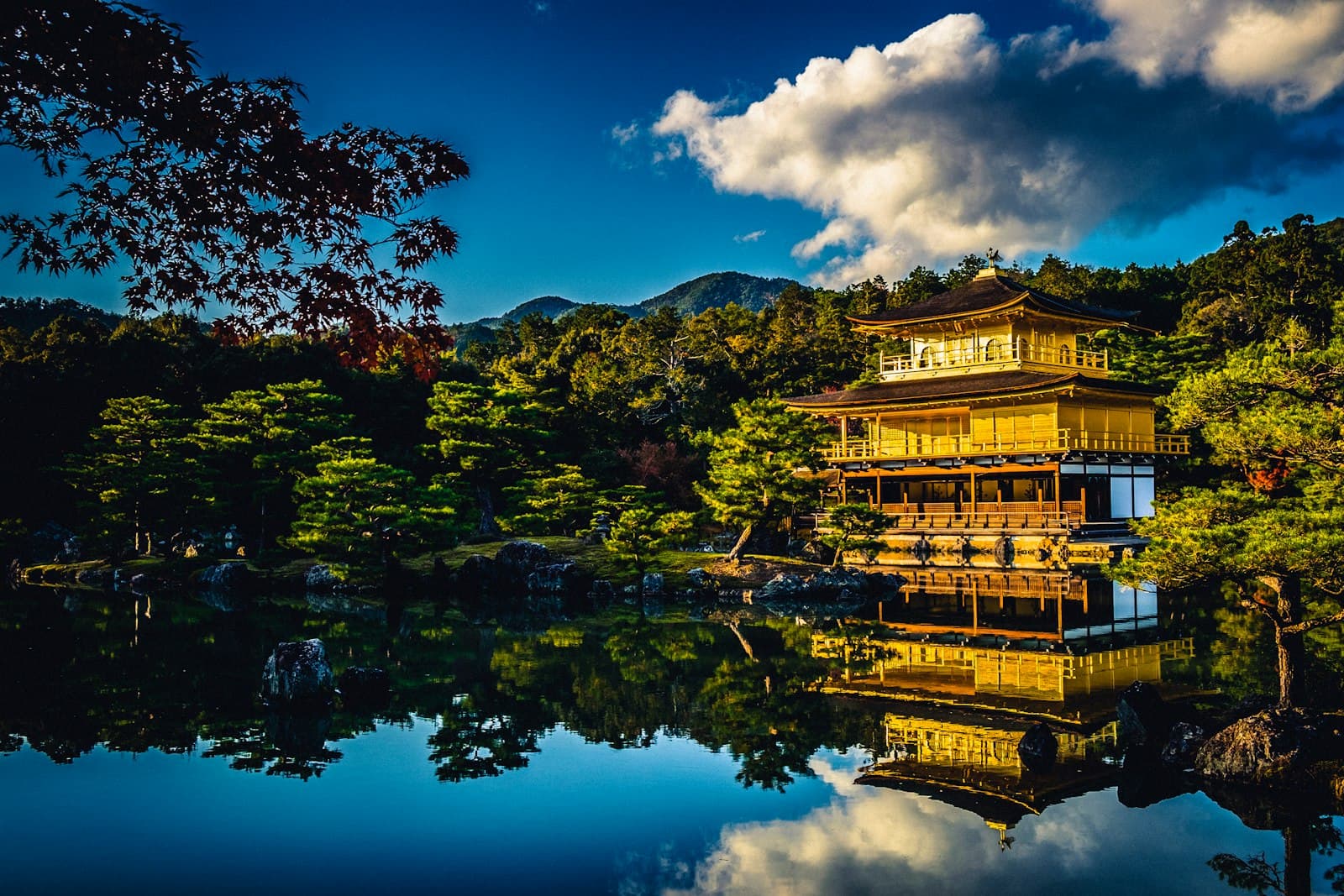
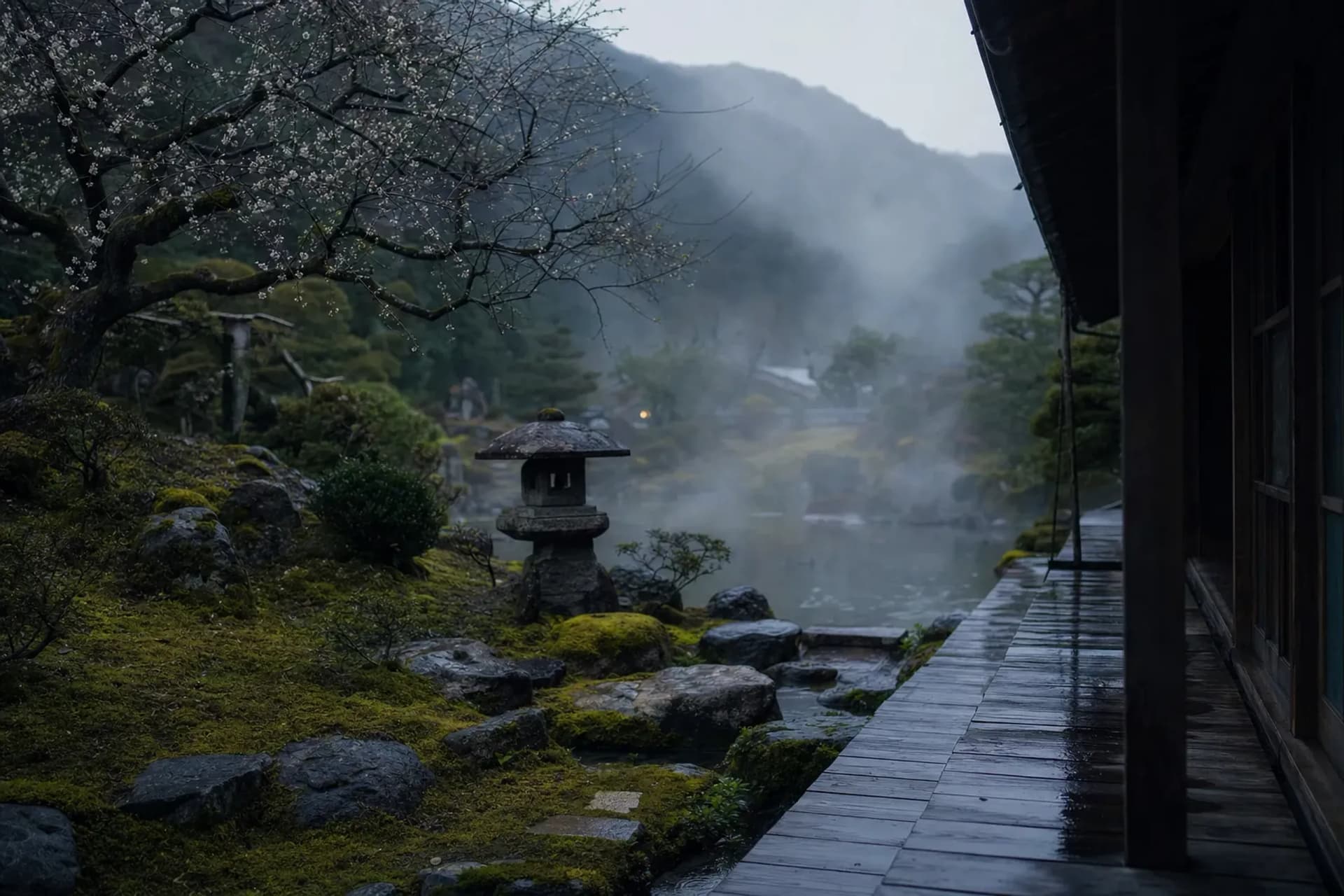
In this guide
- 01The Garden Where It Began: Hōrai-en In Spring
- 02How One Person's Decision Became An Entire Onsen District
- 03The Heritage Building And Its Documented Guests
- 04The Property Today: Three Buildings, One Source Spring
- 05The Ryokan's Own Private Bath
- 06What Is Mori No Yu And How Is It Different?
- 07When Is Mori No Yu Closed In 2026?
- 08Frequently Asked Questions
- 09Why Choose Japan Royal Service
Water first. That's where this story begins.
In 1883, a founder stood near Kojigoku — "Small Hell," a volcanic vent hissing steam into the Hakone highlands — and made a decision. He would divert that hot water down the mountain. Not for a spectacle. For a bathhouse. And from that single channel of steaming spring water, an entire onsen district grew.
The district is Kowakidani Onsen. The ryokan is Hakone Kowakien Mikawaya. It is still open, roughly 140 years later, and at Japan Royal Service we consider it one of the most quietly consequential addresses in Hakone — a place where the water has a birth certificate, and the walls hold the handwriting of a revolutionary.
The Garden Where It Began: Hōrai-en In Spring
Come in early spring and the garden tells you what kind of place this is before a single word is spoken.
Hōrai-en, the ryokan's garden, was opened by the founder in the early Taishō era. Cherry blossoms crowd the paths in April. Azaleas follow, banking the slopes in colour. It is a century-old garden, and it moves at a century-old pace — no fountains, no fireworks, just the slow theatre of a season turning over.
Stand there in the morning and you're standing at the origin point of a whole district. That is not marketing. It is documented history, and it is the reason we bring discerning guests here rather than to a newer address down the road.
How One Person's Decision Became An Entire Onsen District
Kowakidani Onsen traces its origin to Mikawaya's founder diverting hot spring water from the Kojigoku vent in 1883 to open a bathhouse.
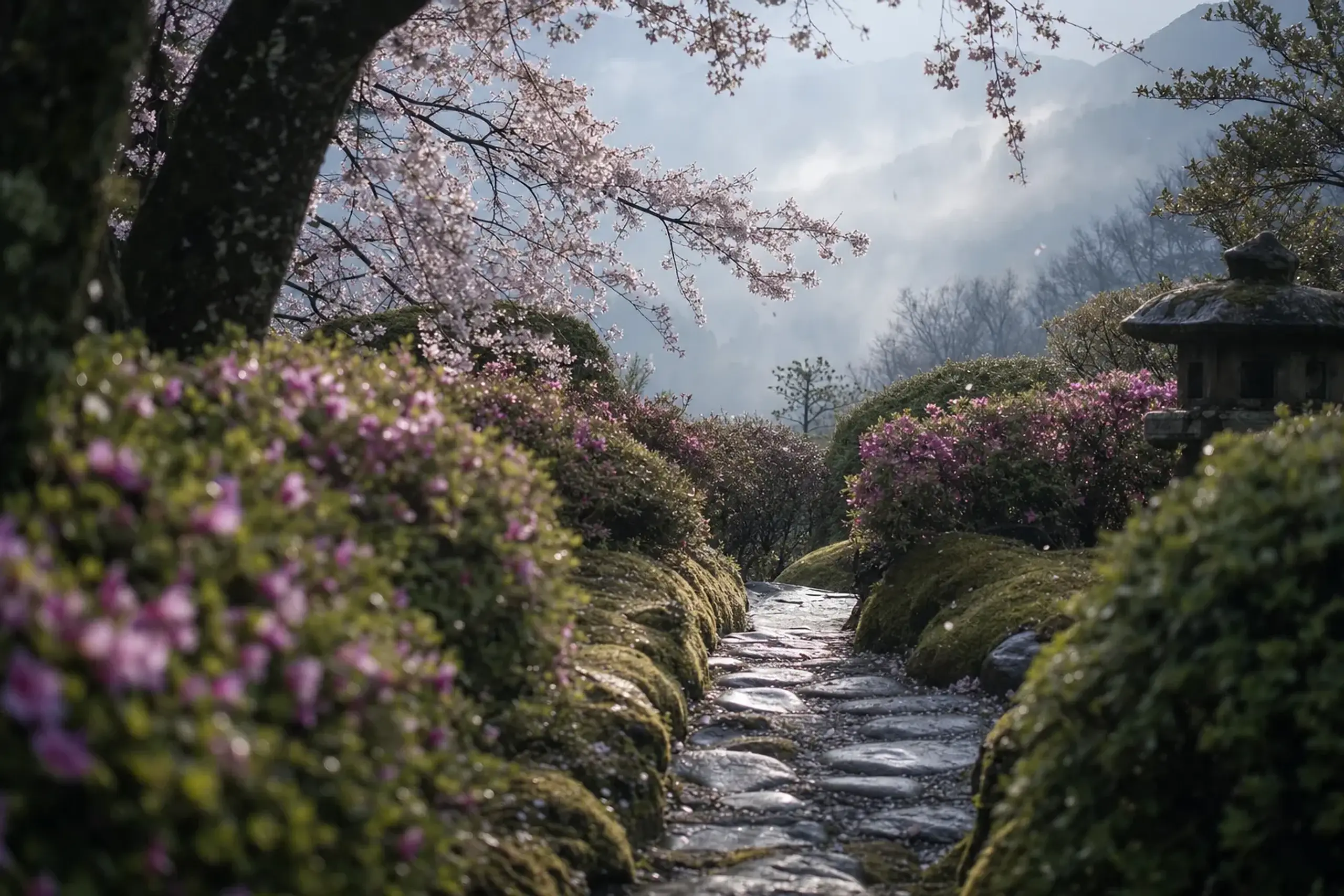
Hōrai-en garden in spring, opened by Mikawaya's founder in the early Taishō era.
Multiple official sources credit that single act as the district's beginning.
Think about the scale of that. Today the area holds hotels, day-spas, and the modern Yunessun complex next door. All of it grew from one channel of water, routed by one person, in the sixteenth year of the Meiji era.
Here is the honest part, the part competitor marketing pages skip. Kowakidani did not become a busy resort district overnight. Its wider development as a hot-spring destination only accelerated around 1948 — roughly 65 years after the founding spark. So Mikawaya did not ride a wave. It was the pebble that, decades later, made the wave. The ryokan predates the district's popularity by generations.
Key fact: Mikawaya Ryokan was founded in 1883. The Kowakidani Onsen district's broader growth did not take off until 1948 — a gap of about 65 years. The inn came first, by a long way.
The Heritage Building And Its Documented Guests
The main building — the honkan — is a National Registered Tangible Cultural Property.
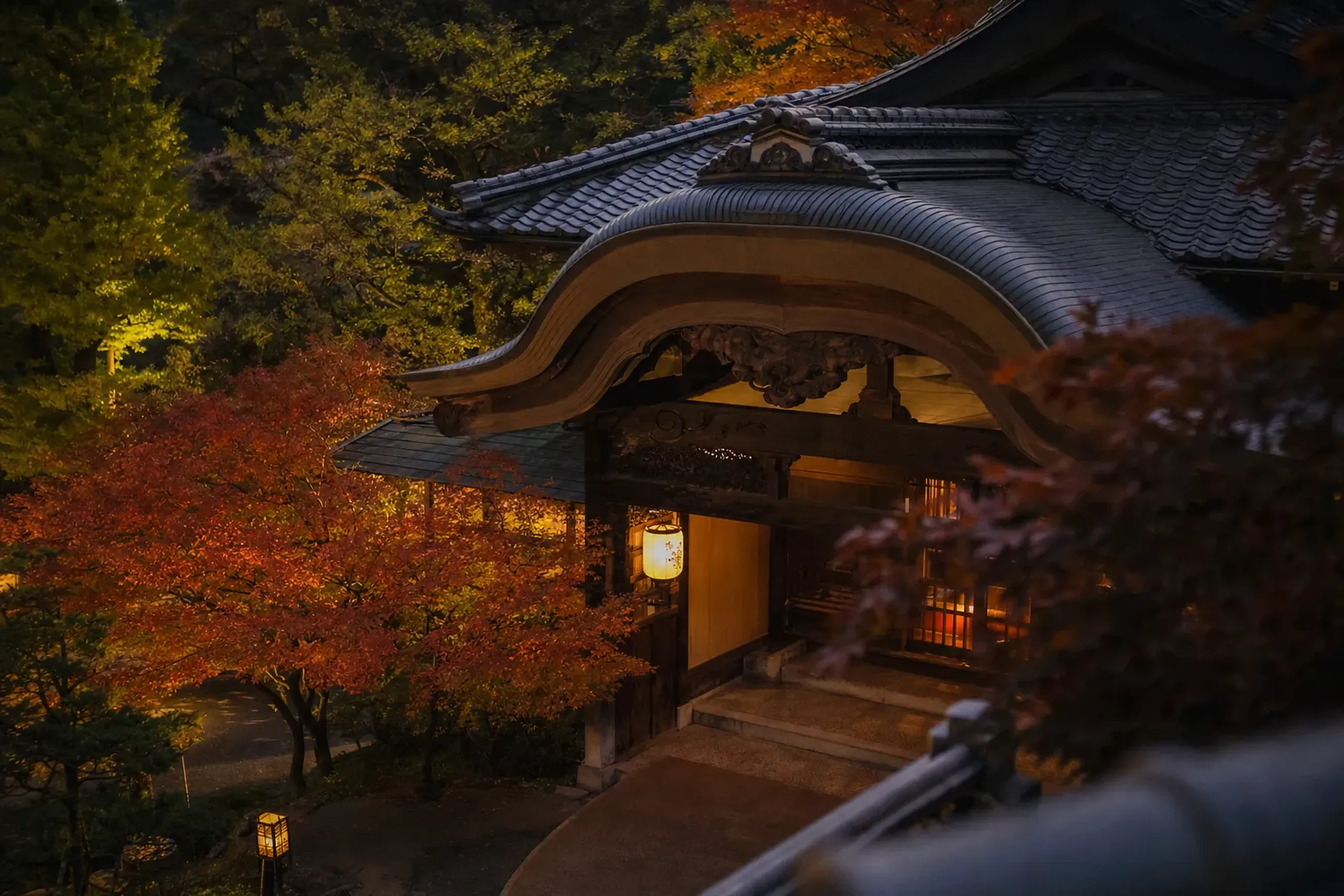
Its entrance carries a karahafu-irimoya-zukuri roof, the sweeping cusped gable of formal Japanese architecture. This is not a replica or a themed façade. It is registered, dated substance, protected by the state precisely because it is real.
And the guest list reads like a page torn from modern Japanese cultural history. The painter Takehisa Yumeji stayed here. So did the poet couple Yosano Tekkan and Yosano Akiko. And so did Sun Yat-sen — the father of the Chinese revolution — whose handwriting the property still displays on its wall.
That last name matters. It is specific. It is checkable. When a ryokan tells you it has hosted "distinguished guests," you should ask for names. Mikawaya gives you names, and one of them changed the course of a nation.
The Property Today: Three Buildings, One Source Spring
Mikawaya is intimate by design — around 25 rooms across three lodging buildings, each with its own character.
The honkan is the historic heart, the registered cultural property. The bekkan, a detached building, leans into Hakone's forested surroundings. And the hanare — standalone cottage-style rooms — come with their own private open-air baths, the most secluded option on the grounds.
Room Types At A Glance
- Honkan (main building): The historic core; National Registered Tangible Cultural Property
- Bekkan (detached building): Rooms shaped around Hakone's natural surroundings
- Hanare (cottage-style): Standalone rooms with their own private open-air baths
Across the property you'll find purely Japanese-style rooms, Japanese-Western suites, and rooms with private open-air baths.
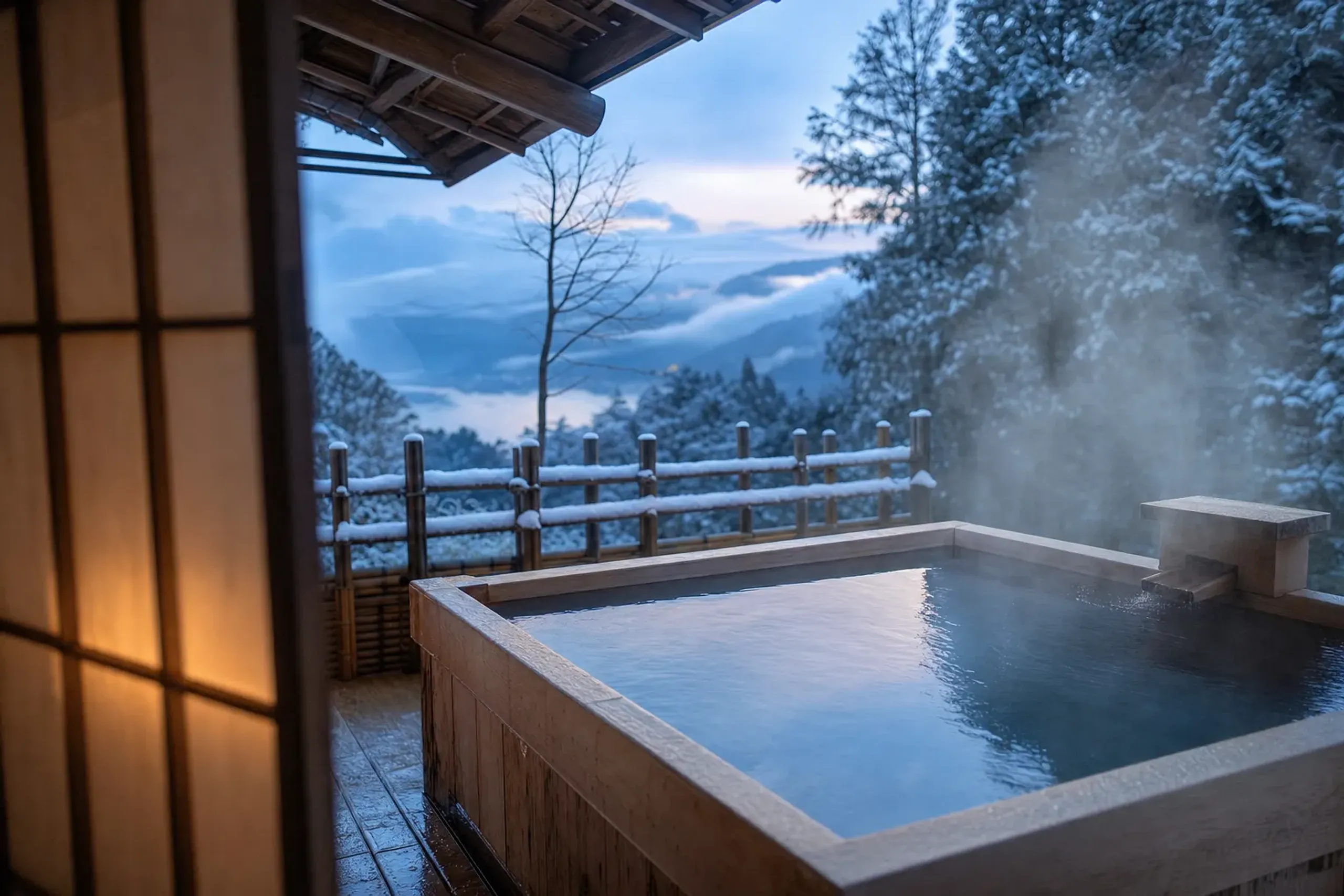
Every one draws from the same source spring — the descendant of that first diverted channel.
Dining centres on Mikawaya-nabe, a hot-pot meal built around seasonal, local ingredients and served in private, spaced seating. No banquet hall clamour. Just a pot, the season, and quiet.
The Ryokan's Own Private Bath
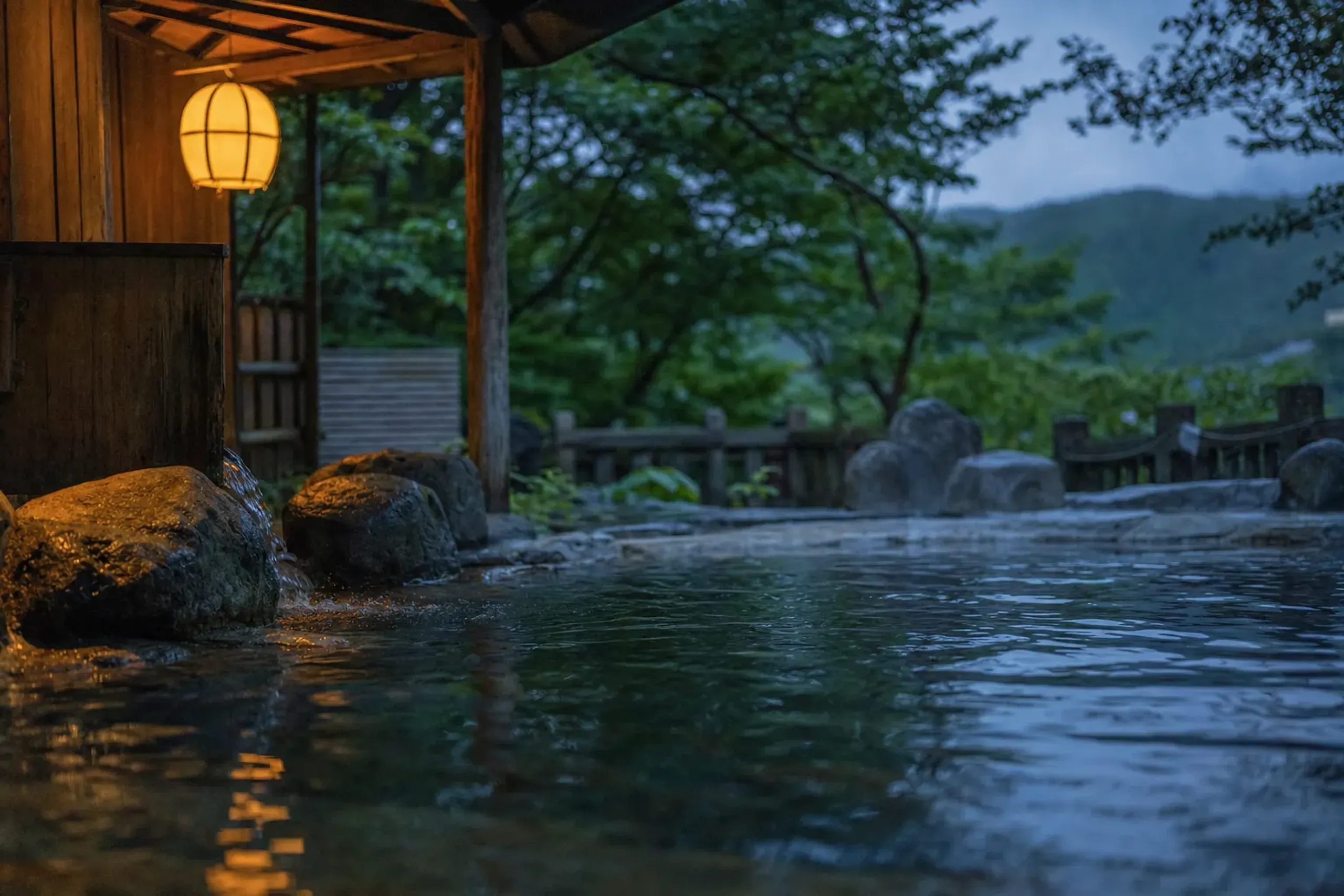
Separate from the spa next door, Mikawaya keeps its own semi-open-air private bath — a kashikiri-buro you reserve for your party alone.
It carries a retro atmosphere, the feel of an earlier Japan under a soft ceiling of light. The water is clear and soft, source-fed straight from the spring. That is the whole promise: clean water, warm stone, and no one else in the room.
For guests who value discretion above all — and in our experience most do — this is the quiet centre of a Mikawaya stay.
What Is Mori No Yu And How Is It Different?
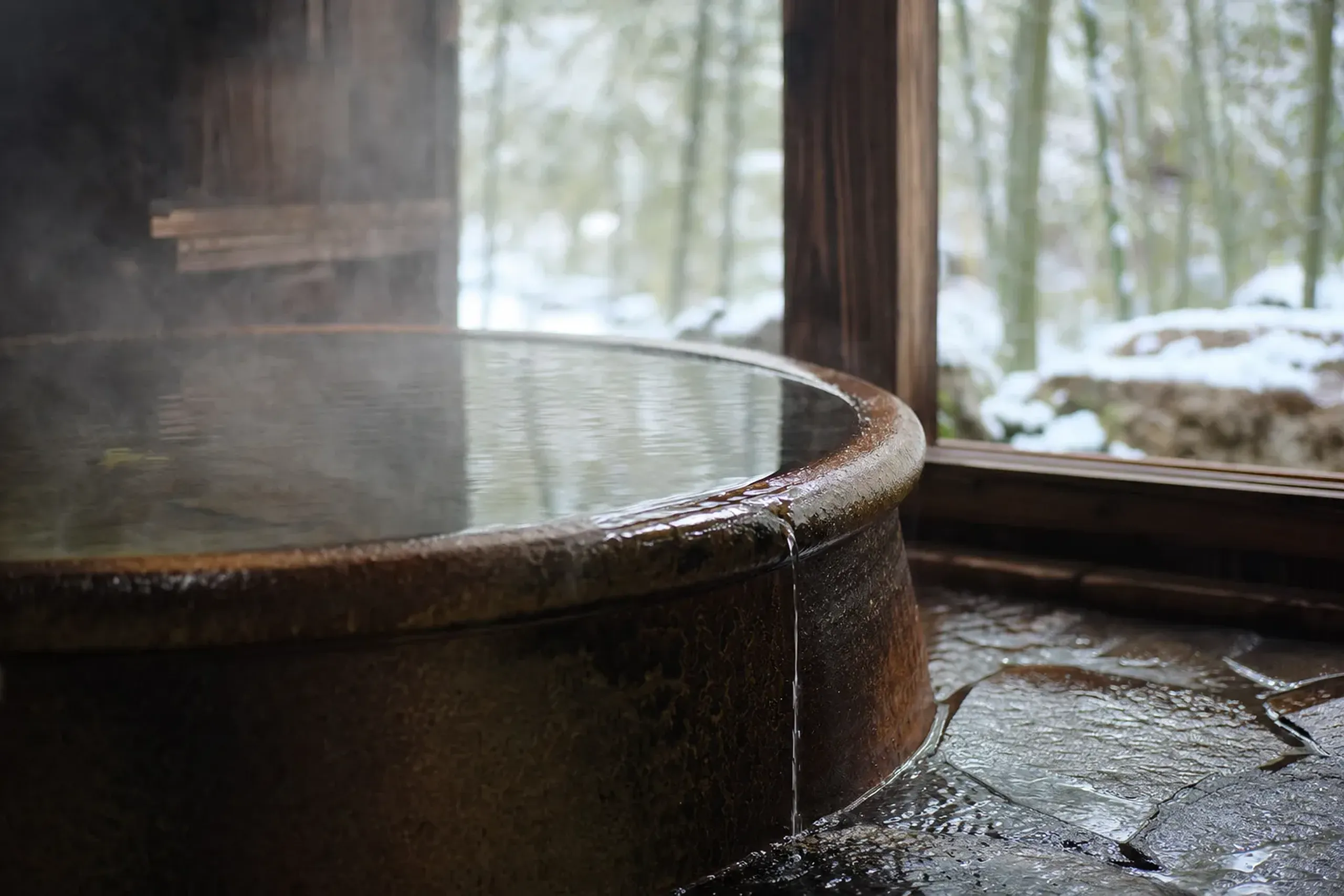
Mori no Yu is the nude onsen area of the adjacent Hakone Kowakien Yunessun complex, offering an open-air bath, a Shigaraki-ware ceramic bath, a sauna, a reclining bath, and six reservation-only private rooms.
This is where confusion usually creeps in, so let us be precise.
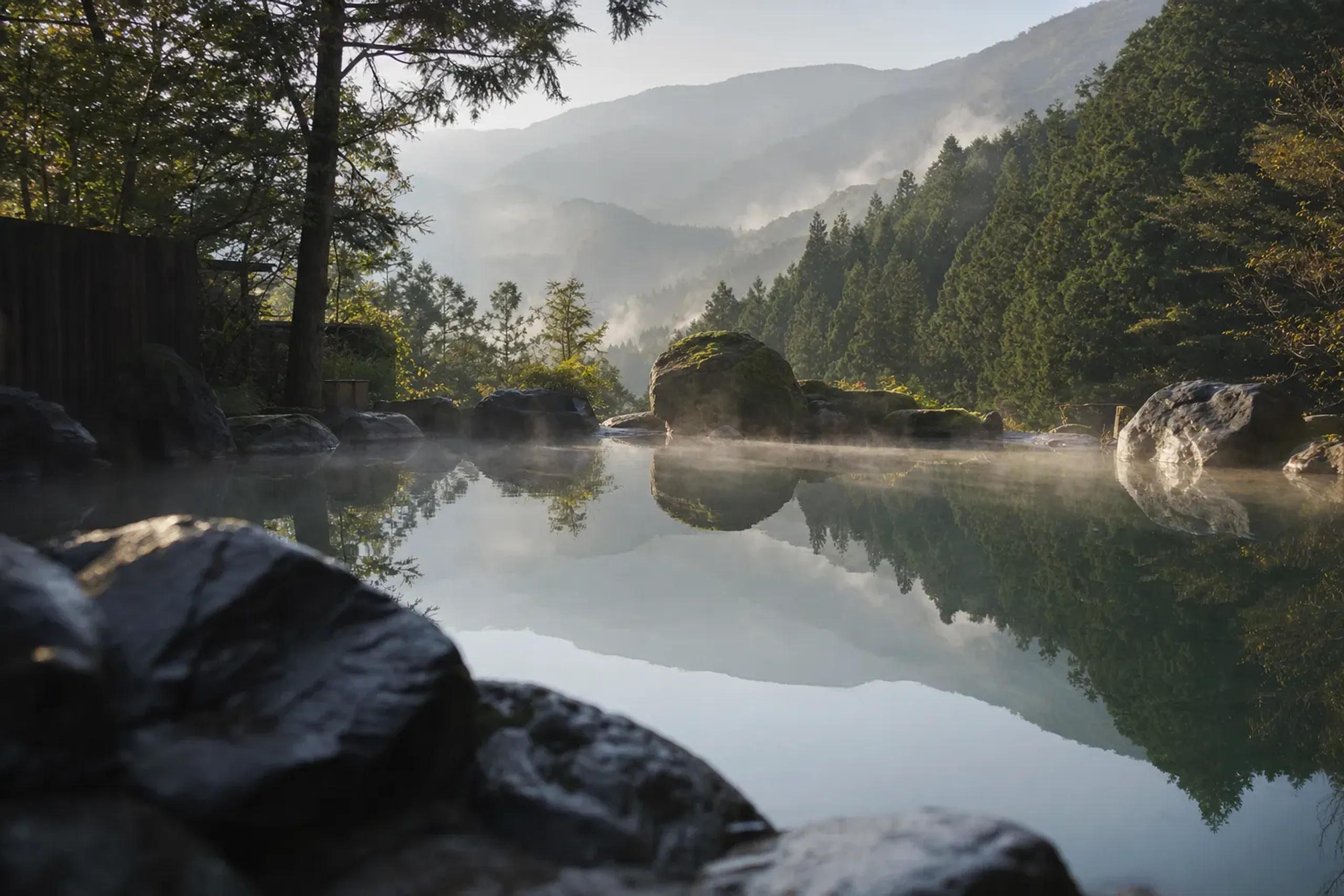
Yunessun has two distinct sides. One is the swimsuit area — a bathing-suit water zone. Mori no Yu is the other: a traditional, clothing-free onsen, quiet and reflective, closer in spirit to the ryokan than to the water park.
Guests staying at Mikawaya may use Mori no Yu at no additional charge during their stay. It is a direct thread between the 140-year-old inn and the modern facility beside it.
The Public Side
The open-air bath at Mori no Yu looks out toward Hakone's outer-ring mountains. Alongside it sit the Shigaraki-ware ceramic bath, a sauna, and a reclining bath. The water throughout is source-fed — not recirculated, not artificially heated. Clear and soft, as it comes from the ground.
The Private Rooms
Six named private rooms run Ichi-no-yu through Roku-no-yu. Roku-no-yu is built barrier-free, which makes Mori no Yu unusually workable for guests with mobility needs. Private-room rates run roughly ¥7,000 for 90 minutes to ¥10,000 for 120 minutes, per room.
For couples, or anyone who prefers a soak without a public bath around them, these rooms are the genuine quiet counterpart to everything louder that shares the resort's name.
Tattoo Access, Plainly
This trips up many overseas guests, so here is the operator's rule. For the swimsuit area, tattoos must be covered with a rash guard or similar attire.
For Mori no Yu itself, guests may bathe only if tattoos can be completely covered with the designated tattoo cover seals, which are available for purchase on site. Where full coverage is impractical, the ryokan's own private bath or a reserved Mori no Yu room is the more comfortable route — and our concierge team will map the right option before you arrive.
When Is Mori No Yu Closed In 2026?
Per Odakyu Travel's published plan pages, Yunessun and Mori no Yu are scheduled to close May 26–28, 2026 and December 8–10, 2026 for maintenance.
Closure-aware planning is one of the quiet differences between a smooth Hakone stay and a disrupted one. If your dates land on those windows, the ryokan's own private bath and its source-fed rooms carry the day. There is also seasonal event programming inside the Yunessun indoor area in spring 2026 — worth noting only so your soak at Mori no Yu is timed for calm rather than crowds.
2026 blackout dates: Yunessun / Mori no Yu closed May 26–28 and December 8–10, 2026 (per Odakyu Travel). On those dates, plan around Mikawaya's own private bath and in-room source-fed baths. Our concierge confirms current dates before every stay.
Frequently Asked Questions
Is Mikawaya Ryokan Really The Origin Of Kowakidani Onsen?
Yes. Multiple official sources credit Mikawaya's founder with diverting hot spring water from the Kojigoku volcanic vent in 1883 to open a bathhouse — the act recognised as the start of Kowakidani Onsen.
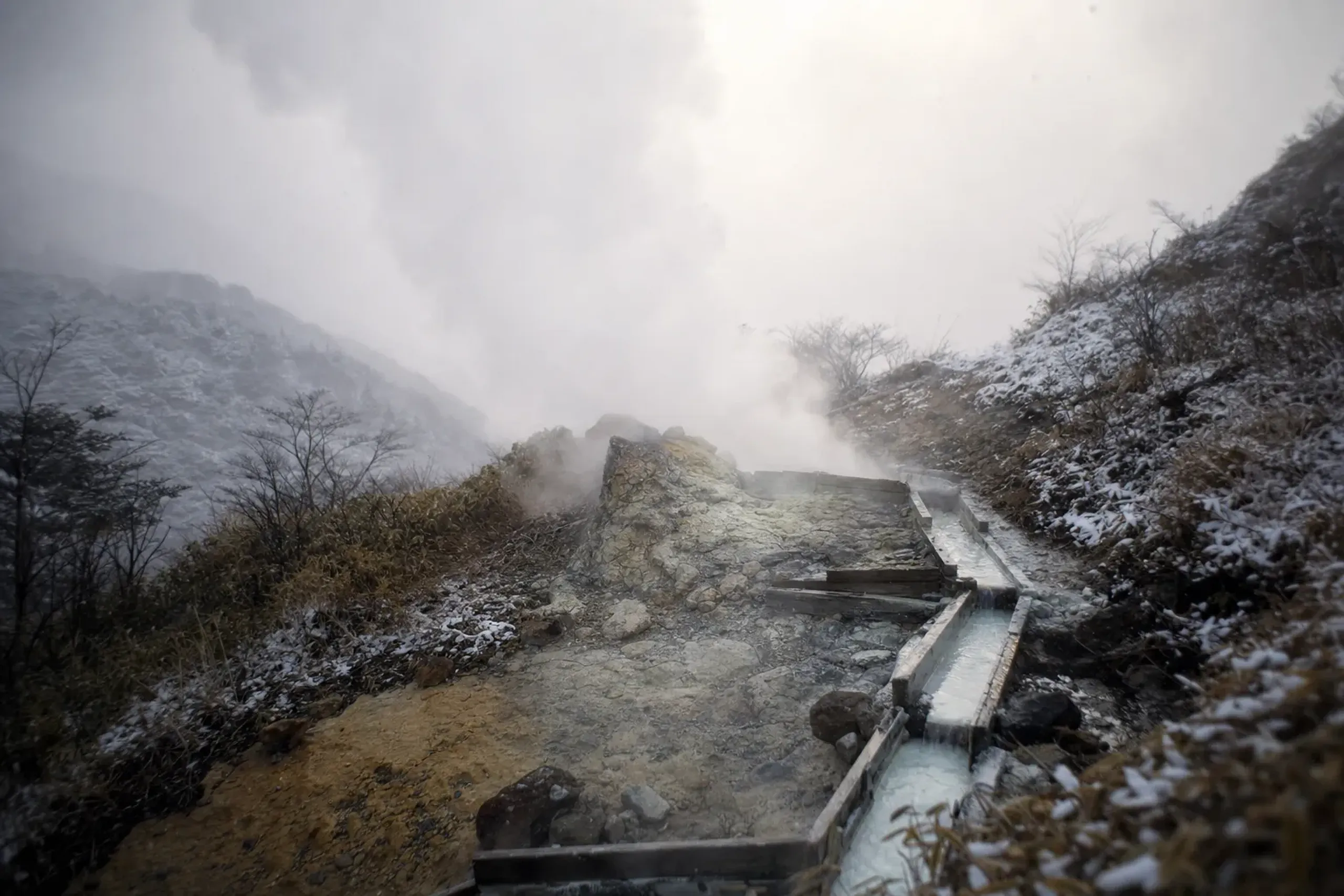
The district's wider growth came decades later, around 1948.
What Is The Difference Between Mori No Yu And The Yunessun Swimsuit Area?
Mori no Yu is the traditional clothing-free onsen area with open-air, ceramic, and private baths. The swimsuit area is the separate bathing-suit water zone. Mikawaya guests may use Mori no Yu at no extra charge during their stay.
Can Guests With Tattoos Use Mori No Yu?
Only if tattoos are completely covered with the designated tattoo cover seals sold on site. If full coverage isn't practical, Mikawaya's own private bath or a reserved Mori no Yu room offers a comfortable alternative. Our concierge advises on the best route.
Did Sun Yat-sen Really Stay At Mikawaya Ryokan?
Yes. Sun Yat-sen is among the documented past guests, and the property still displays his handwriting on its wall. Other recorded guests include painter Takehisa Yumeji and poets Yosano Tekkan and Yosano Akiko.
What Are Mori No Yu's Private Room Rates?
Private-room rates run roughly ¥7,000 for 90 minutes to ¥10,000 for 120 minutes, per room, across six named rooms (Ichi-no-yu through Roku-no-yu). Our team verifies current rates and availability before your arrival.
Why Choose Japan Royal Service
Anyone can point you to a hotel in Hakone. Fewer can put you inside the room where Sun Yat-sen once stayed, at the source of a district's oldest spring, with the private bath reserved and the closure calendar already checked.
For Mikawaya, our team at Japan Royal Service arranges the accommodation, private bath reservations, guiding, and private chauffeured transfers from Tokyo or the airport. That is stated plainly, once. The Mikawaya private bath and Mori no Yu rooms are reserved through the property; our concierge team verifies current rates, room availability, and reservation procedure on your behalf ahead of the stay, and shapes the rest of your Hakone days around low-crowd hours.
We build every stay as a tailor-made itinerary — the heritage building, the garden, a source-fed soak, and the introductions that turn a good trip into a private one. If you enjoy the quieter, craft-led side of Japan, our journals on the Niigata sake brewery trail in winter and Kaga-Yūzen silk dyeing in Kanazawa travel in the same spirit.
To begin planning a stay at Mikawaya, reach our team privately via WhatsApp or LINE, or contact us here. Tell us your dates, and we'll take the water from there.