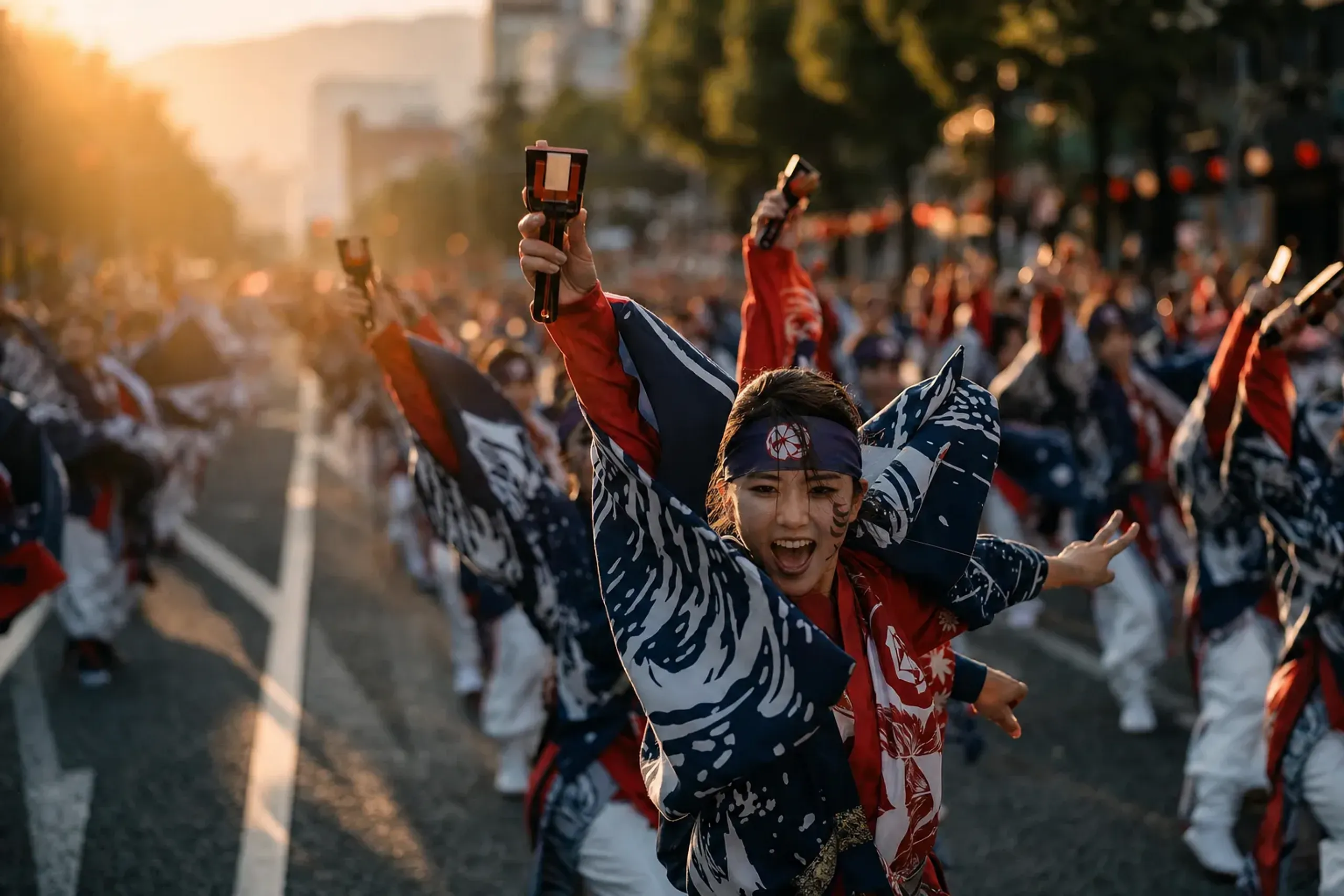
The naruko begins before the dancers do. A dry, wooden clatter — clack-clack, clack-clack — rolling down Otesuji, the wide central avenue of Kōchi City. Then the color arrives. Two hundred hands snap in unison, silk sleeves cutting the August air, and a line of dancers pushes forward, never staying in one place, always advancing down the street. This is Yosakoi in the city that invented it. Not a copy. The original.
Most visitors assume this is some centuries-old folk rite, handed down through fishing villages on the Tosa coast. It is not. It was built. Deliberately, on a specific date, for a specific reason — and that reason was rivalry.
Built To Outdo A Neighbor, Not Honor One
Here is the contrast that reframes everything. Sapporo's famous version of this festival, the one drawing millions to Hokkaido each June, began with admiration — a student who saw Yosakoi in Kōchi and wanted to bring its energy north.
Kōchi's own festival began the opposite way. Not as something anyone honored. As a challenge.
The city sits on Shikoku, Japan's smallest main island. Next door, in Tokushima, one of Japan's oldest and most celebrated dances had drawn crowds for generations: Awa Odori.
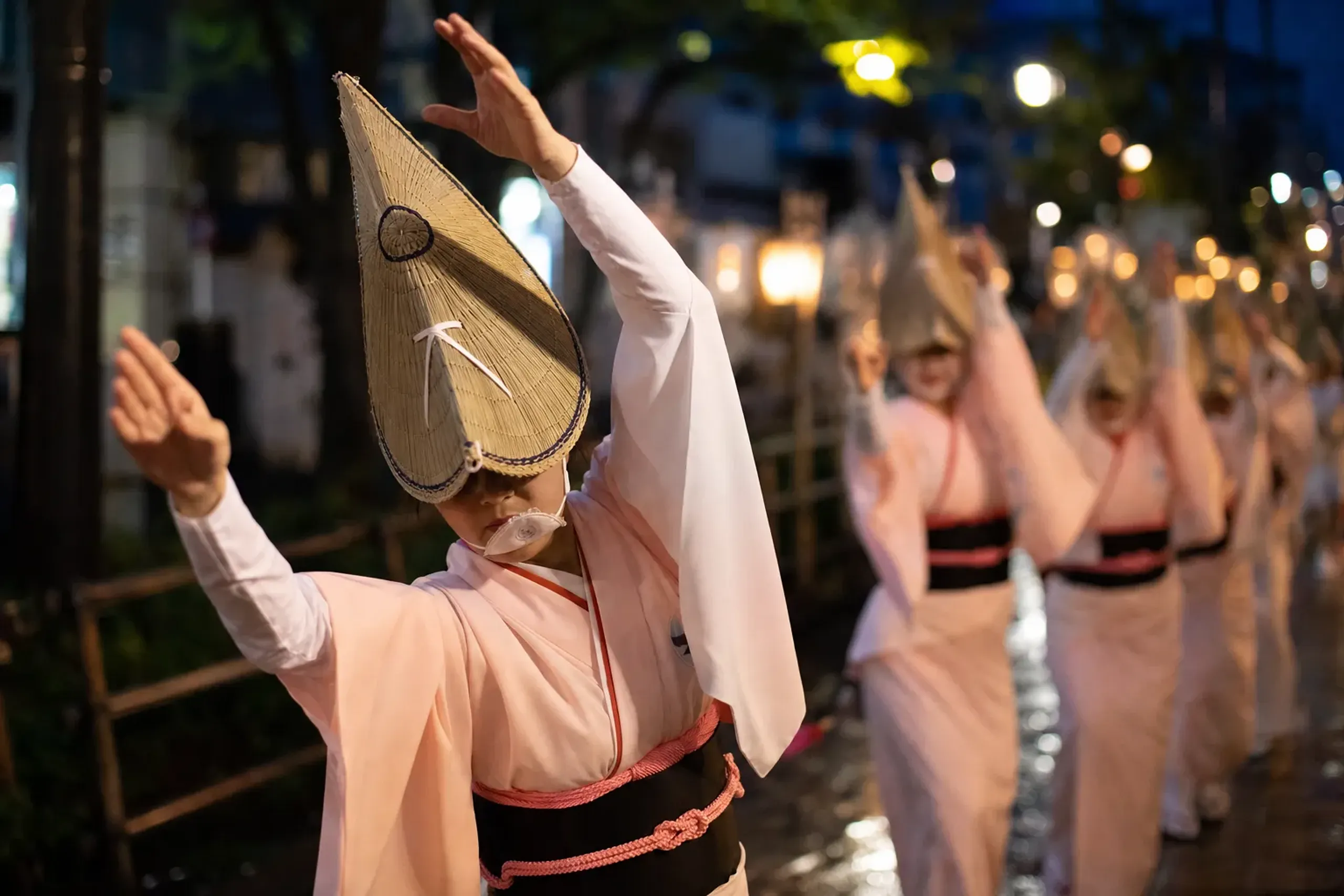
Kōchi wanted its own. Not a smaller echo — something that would not lose to what the neighbors already had. The organizers said so plainly. The goal was to build a festival that could stand against Awa Odori.
That competitive spark is stitched into every rule the festival still follows today.
The 1945 Air Raid And The 1954 Founding
To understand why a city would set out to outdo a neighbor, you have to picture Kōchi in the years after the war. In 1945, air raids had left the city almost entirely destroyed. The rebuilding was slow. Repeated Nankai earthquake damage had battered the region, core industries struggled, and a heavy post-war economic depression hung over daily life.
In August 1954, the Kōchi Chamber of Commerce Youth Group organized the first Yosakoi Festival with a clear purpose: help the city recover. Give people something to gather around. Draw visitors. Put money and pride back into streets that had been rubble less than a decade before.
So this was never nostalgia. It was economic strategy dressed in silk and sound. A modern invention with a precise birth year — 1954 — and a job to do.
Key fact: The Kōchi Yosakoi Festival is not an ancient tradition. It was created in August 1954 to help a bombed, economically struggling city recover — and to rival Tokushima's Awa Odori next door.
Why Do Yosakoi Dancers Hold Naruko?
Yosakoi dancers hold naruko — small wooden clappers — because the festival's original composer wanted a distinctive prop to set Kōchi's dancers apart from Awa Odori's, whose dancers perform essentially bare-handed.
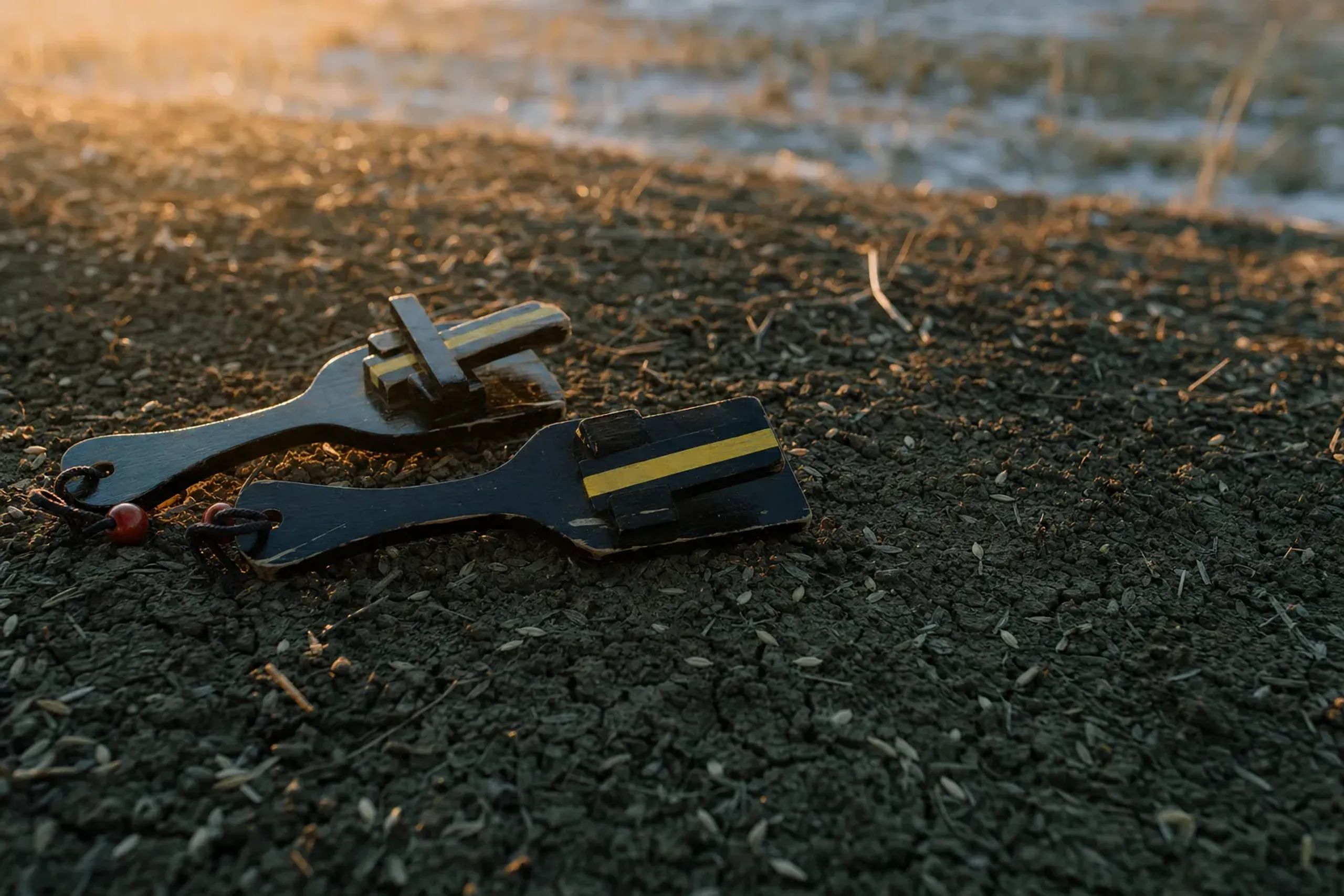
The man behind it was Takemasa Eisaku, commissioned in 1954 to write the festival's music and choreography. He thought about the competition directly. Awa Odori's dancers move with open hands and flowing arms. So Takemasa wanted Kōchi's dancers holding something — something visual, something that would read from across a crowded street, something that would sound.
His choice was not random. The naruko is a genuine agricultural tool from the region. Kōchi's warm, wet climate allows double-cropping of rice, and farmers use naruko in the paddies to frighten birds away from the grain by sound. Takemasa reached for a real symbol of the region's own farming identity, not a borrowed novelty. Every dancer today holds a piece of Kōchi's soil, whether they know it or not.
For the choreography, he did not settle for local talent alone. He commissioned masters representing Japan's five major schools of classical Japanese dance. This was a city determined to be taken seriously.
The Weather-Data Detail
One more thing about that founding year, and it says everything about the seriousness of the planning.
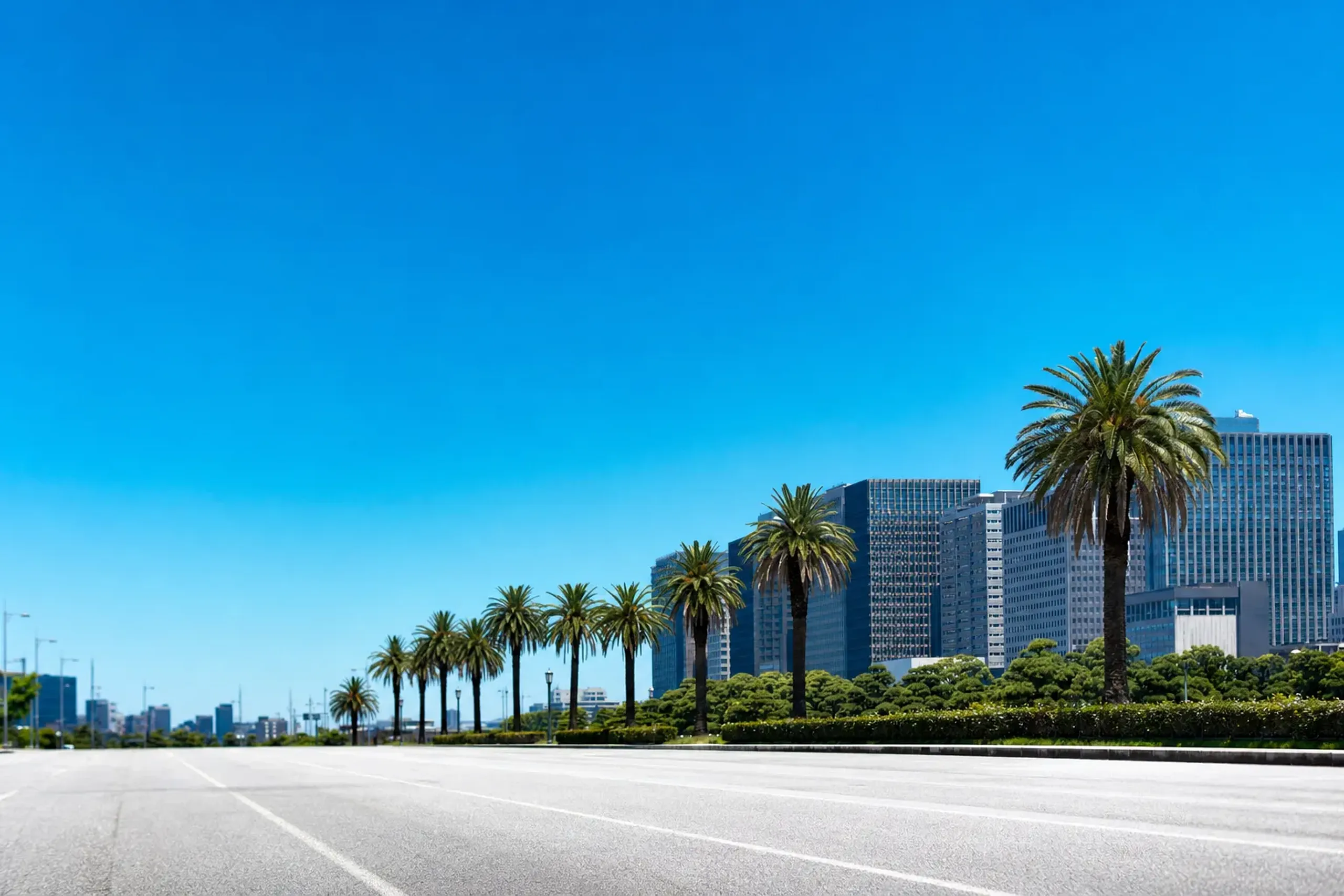
The festival dates — 10 and 11 August — were not chosen for a saint's day or a harvest. They were chosen because historical weather records showed those exact calendar days had the highest rate of clear skies over the previous 40 years.
A festival scheduled by statistics. That is a modern civic project, not a folk rite.
The Two Rules That Define Every Team
Only two rules govern participation, and both trace directly to Takemasa's 1954 design.
First: each team's music must include a phrase from "Yosakoi Naruko Odori," the song he composed for the festival. Second: dancers must hold naruko, and they must move forward while performing — advancing down the street, not staying in place.
That is all. Everything else is open.
Costume, choreography, tempo, arrangement — every team decides for itself. Takemasa allowed free musical rearrangement from the very start, and that single decision is why the festival never froze in time. Some teams perform close to the 1954 original, an arrangement so faithful it earns the label seichō, or "correct style." Others swing hard the other way. Samba. Rock. Hip-hop-inflected beats pounding off the buildings on Otesuji.
- Rule one: include a phrase from "Yosakoi Naruko Odori"
- Rule two: hold naruko and dance forward, advancing down the street
Two rules.
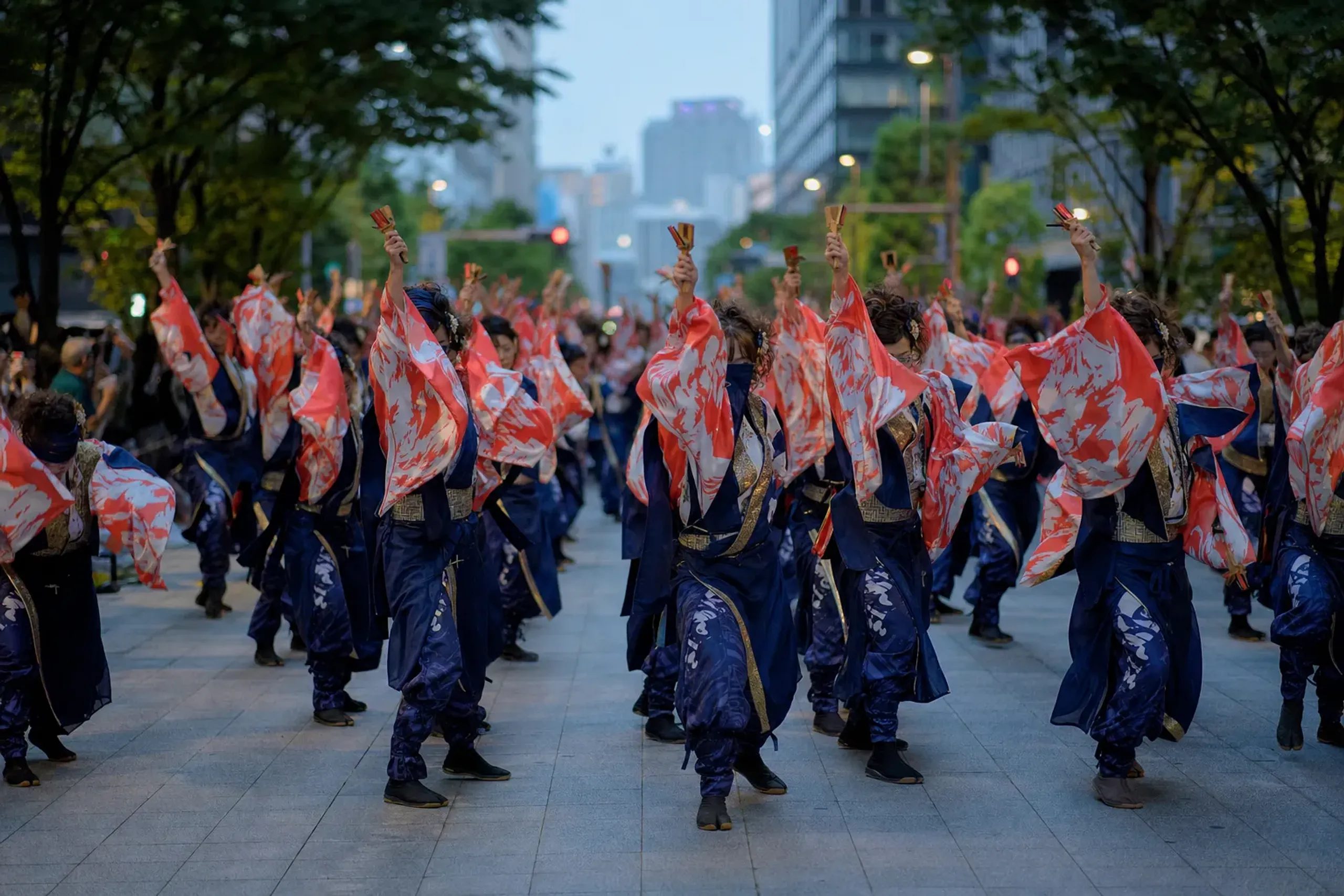
Total creative freedom otherwise. It is the reason no two teams look alike, and the reason the festival still feels alive seventy years on.
How A 1954 City Project Reached The World
The first edition, in 1954, drew 750 participants across 21 groups. Modest. A hopeful start for a wounded city.
Then it caught. A 1959 film featuring the festival led directly to its first television broadcast that same year — the moment Kōchi's local answer to its neighbor became something the whole country could see. National recognition began there, in front of new television sets across Japan.
It kept moving. The festival was performed at the 1970 Osaka World Expo. Two years later, in 1972, it appeared at France's Nice Carnival — and that occasion is where the samba-style musical variant made its debut, an early proof of just how far Takemasa's openness to rearrangement could travel. A dance built to beat the neighbors was, within two decades, clattering through the south of France.
The Current Festival: Scale, Dates, And Venues
The modern Kōchi Yosakoi Festival runs across four days each August, and it is enormous.
| Day | What Happens |
|---|---|
| 9 August | Pre-festival, with a coordinated fireworks display of roughly 4,000 shells |
| 10–11 August | The two main festival days |
| 12 August | National competition and closing festival |
Across those four days, roughly 200 teams and approximately 20,000 dancers perform across 17 venues within Kōchi City — nine competition venues and eight performance venues.
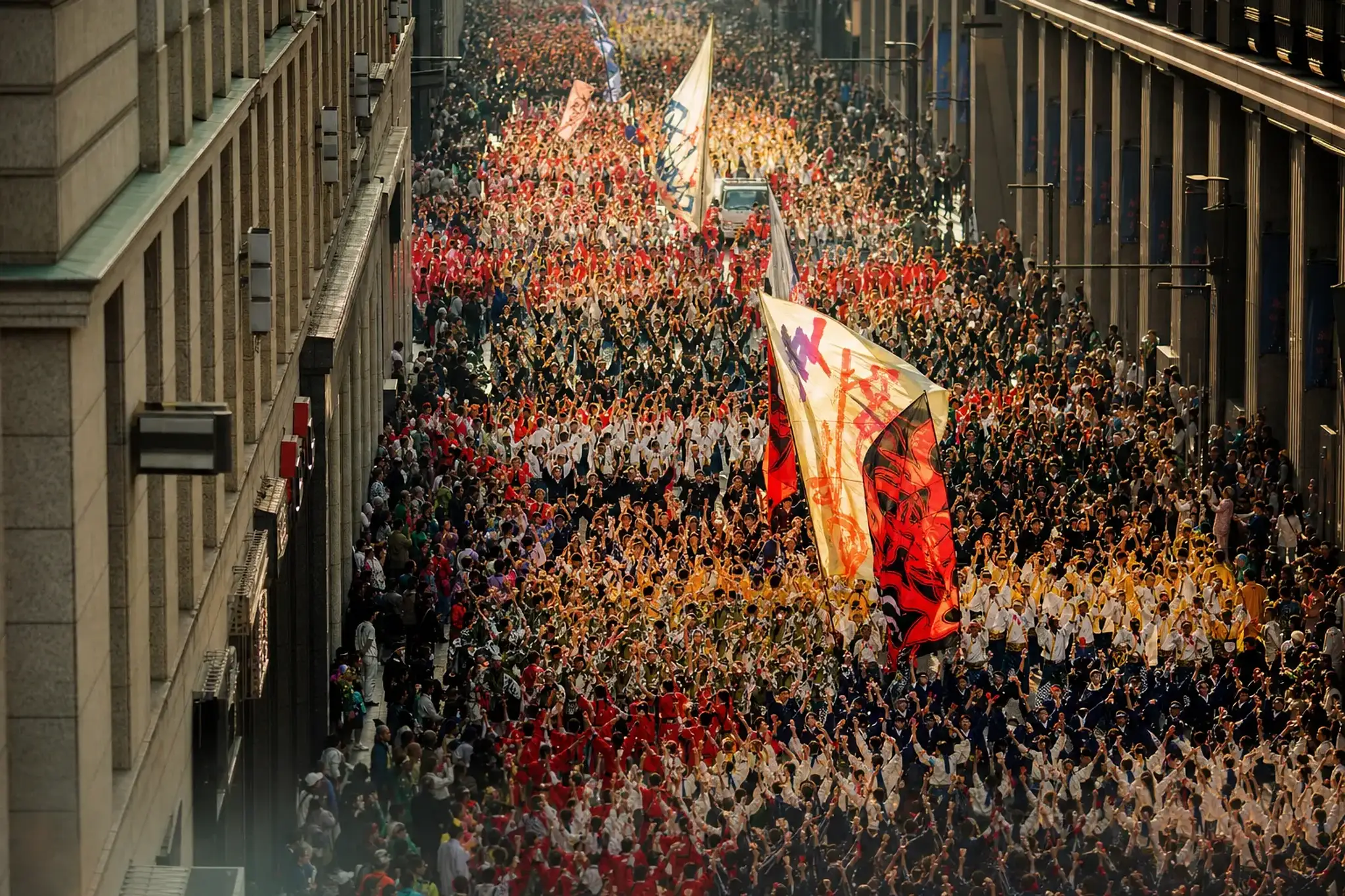
Some are dedicated stages; others are the city's own streets, Otesuji and Obiyamachi among them, plus Central Park near Kōchi Castle. Around one million visitors move through the city over the four days.
The festival is counted among the Three Great Festivals of Shikoku, alongside Tokushima's Awa Odori — the very festival it was built to challenge — and Ehime's Niihama Taiko Festival.
Plan around the heat: August in Kōchi is genuinely hot and the crowds are dense. Reserved grandstand seating and shaded viewing matter. Note too that the Kōchi City Tourism Association has publicly warned about high-priced ticket resale for grandstand seats — verify any premium seat through official channels only.
Team counts, exact venue lists, and reserved-seat availability shift year to year. Our concierge team confirms current-year schedule and venue details on each client's behalf ahead of the visit, and cross-checks any grandstand ticketing against official sources rather than resale listings.
Beyond The Four Days
Yosakoi is not confined to August. The Kōchi Yosakoi Information Exchange Center runs year-round, with exhibits, naruko-making workshops, and dance classes — a way to reach the tradition without the peak-summer press of a million people.
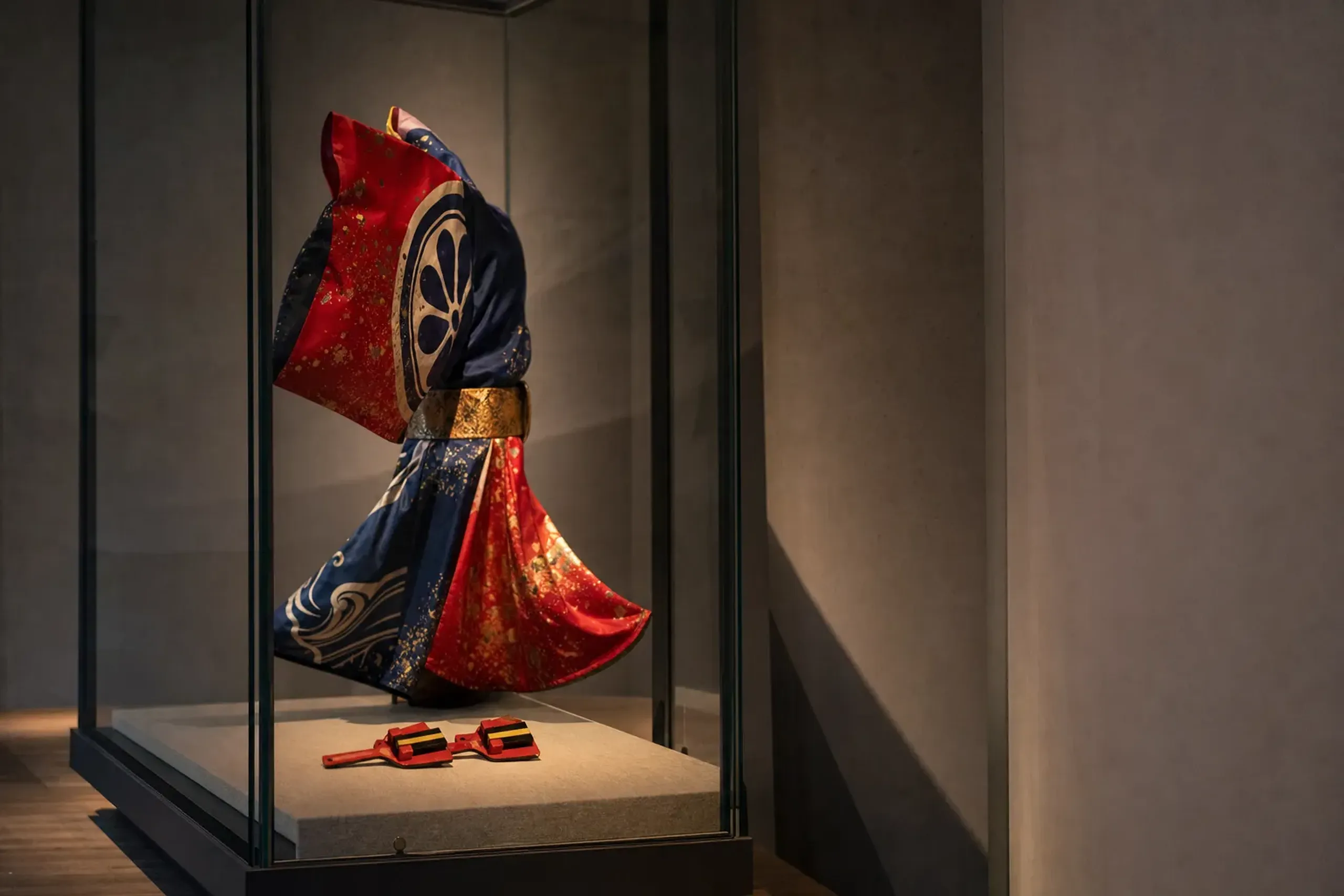
For 2026 specifically, Kōchi also hosts a prefecture-wide national cultural programme, the Yosakoi Kōchi Bunkasai, running from 25 October to 6 December 2026, which opens a quieter, arts-focused window into the same region after the summer heat has passed.
Frequently Asked Questions
When Is The Kōchi Yosakoi Festival Held Each Year?
The Kōchi Yosakoi Festival runs each August: 9 August as a pre-festival evening with fireworks, 10–11 August as the two main days, and 12 August for the national competition and closing. The 10–11 August main dates are a historically fixed pattern.
What Is The Difference Between Kōchi's Yosakoi And Sapporo's Version?
Kōchi's festival came first, created in 1954 to rival neighboring Tokushima's Awa Odori. Sapporo's version began later, out of a student's admiration for what he saw in Kōchi. Same naruko, same two founding rules — opposite reasons for existing.
Why Are Naruko Used In The Yosakoi Festival?
Naruko — wooden bird-clappers used in Kōchi's rice paddies — were chosen by composer Takemasa Eisaku in 1954 as competitive differentiation from bare-handed Awa Odori dancers, and because they symbolize the region's real agricultural identity.
How Do I Get Good Seats For The Kōchi Yosakoi Festival?
Reserved grandstand seating is the most comfortable way to watch, especially in August heat, but it sells out and has drawn resale-price warnings from local authorities.
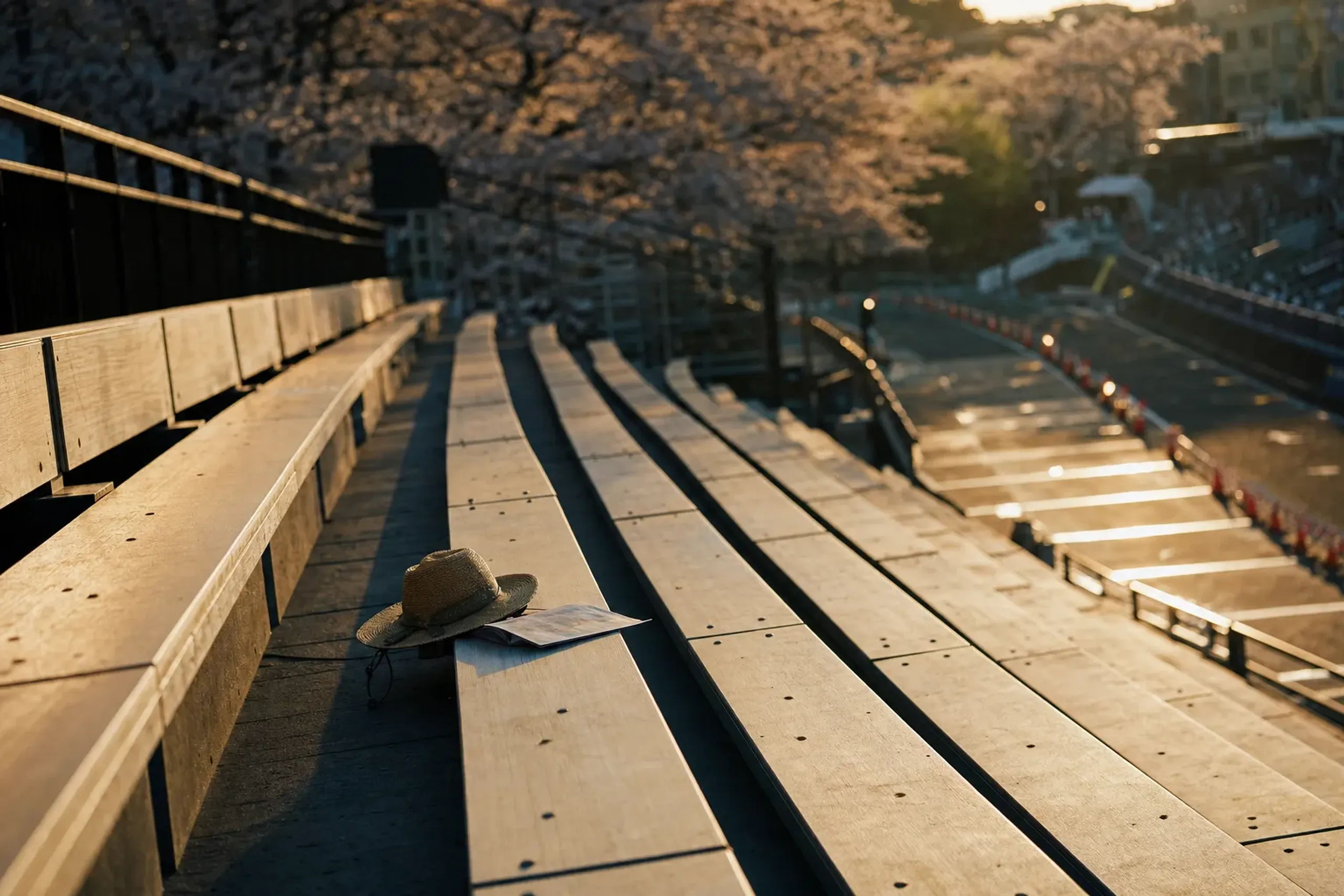
Verify any premium seat through official channels; our concierge confirms availability annually.
Is There A Way To Experience Yosakoi Outside The August Festival?
Yes. The Kōchi Yosakoi Information Exchange Center offers year-round exhibits, naruko-making workshops, and dance classes. In 2026, the prefecture also hosts the Yosakoi Kōchi Bunkasai, an arts programme running 25 October to 6 December 2026.