In this guide
- 01The Deal That Armed The Losing Side
- 02The Samurai Who Sailed In Secret
- 03The Real Madame Butterfly, Told Correctly
- 04What Is The Former Glover House, Exactly?
- 05From Rifles To Coal To Kirin Beer
- 06When Is The Best Time To Visit Glover Garden?
- 07How Do You Get To Glover Garden In Nagasaki?
- 08What Japan Royal Service Arranges Here
- 09Frequently Asked Questions
- 10Why Choose Japan Royal Service
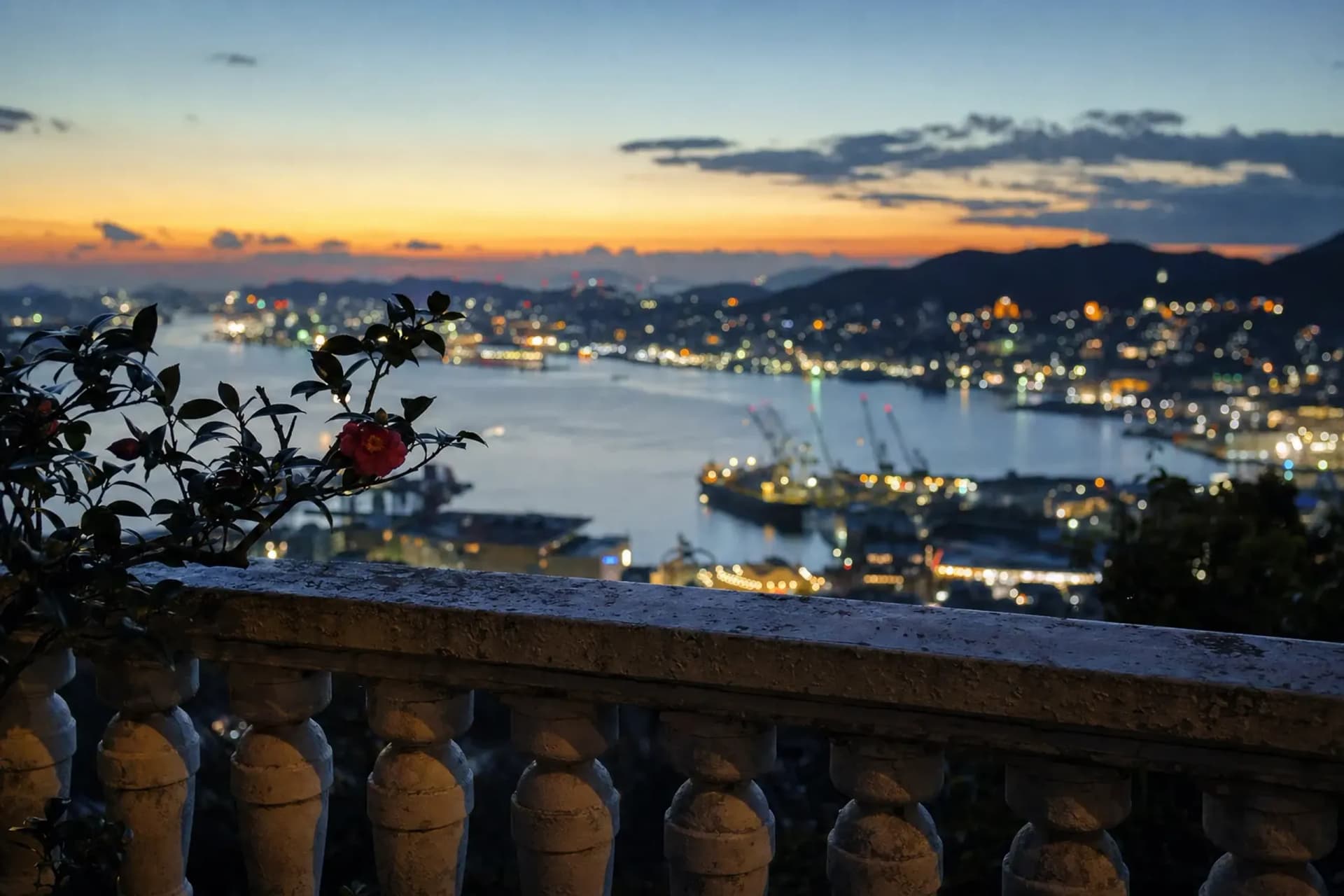
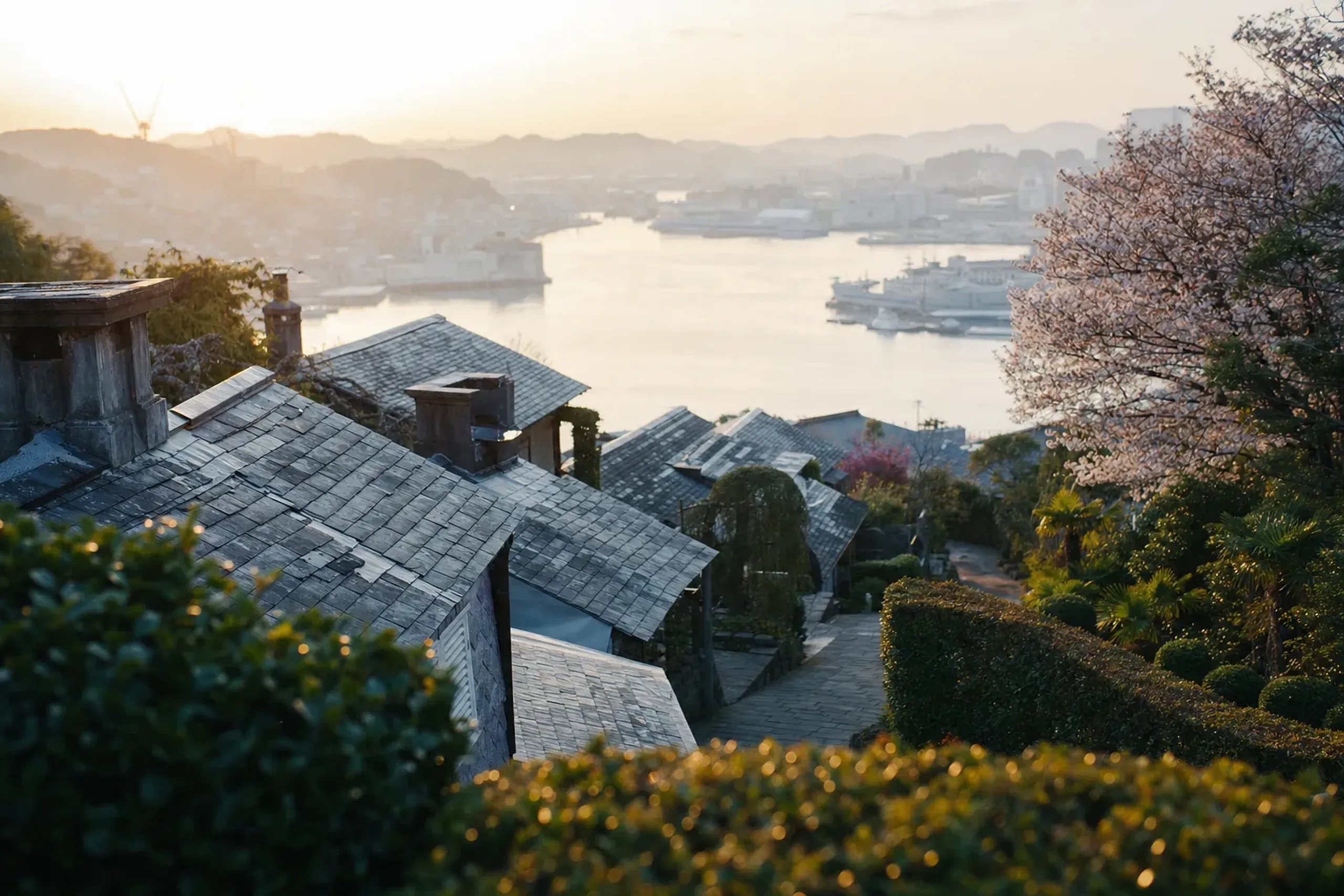
Stand on the terrace of the Former Glover House and Nagasaki opens beneath you like a page from a ledger book. The harbor. The cranes of the shipyard across the water. The slate roofs of Minami-Yamate falling away in tiers of green. It is a merchant's view. That is the point.
The Scotsman who built here in 1863 did not choose this hillside for the scenery alone. He chose it because he could watch ships come and go. Cargo moved through this port that would help topple a government. And Thomas Blake Glover, barely thirty years old, sat at the center of it.
The Deal That Armed The Losing Side
In 1866, the Tokugawa shogunate marched on Chōshū domain with roughly 150,000 troops. Chōshū could field barely 4,000. Nobody sane bet on the smaller number.
Glover did.
Working from Nagasaki, he sold Chōshū's representative — a young samurai named Itō Shunsuke, later known to history as Itō Hirobumi — 4,300 Minié rifles and 3,000 Gewehr rifles. The transaction ran to 92,400 ryō. An enormous sum. Modern breech-loading firepower, handed to the side everyone expected to be crushed.
What happened next rearranged Japan. Chōshū, in secret alliance with Satsuma domain, absorbed the shogunate's offensive and turned it back. Within two years the Tokugawa order that had ruled for over 250 years collapsed. The Meiji Restoration began. And the rifles that flowed through this quiet harbor town had helped decide which faction stood at the top of the new state.
This is why Glover Garden matters more than its garden.
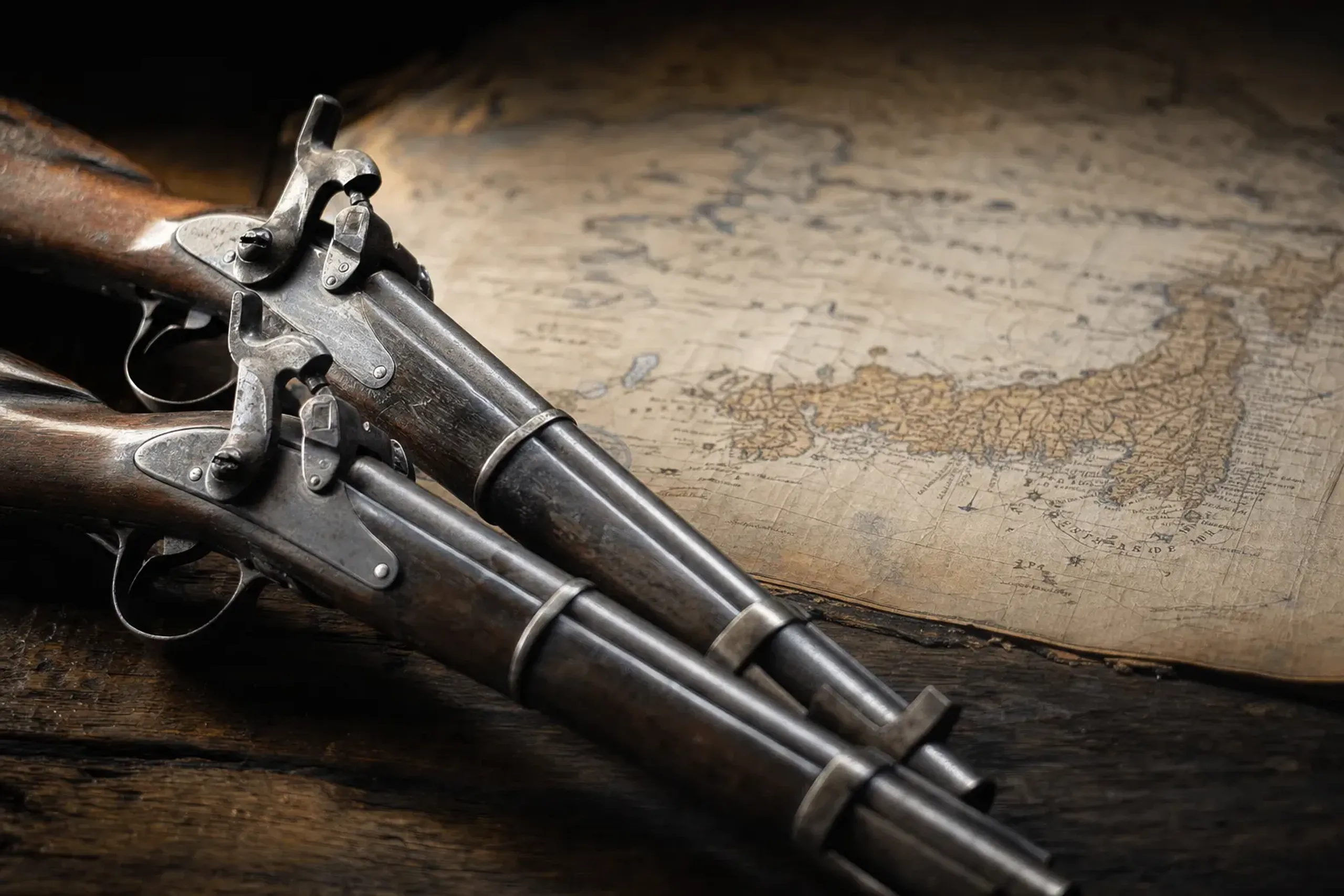
In 1866 Glover sold Chōshū 7,300 rifles — arming the side almost everyone expected to lose.
Most visitors are told a pleasant story about a wealthy foreigner and a lovely wooden house. That version is true and thin. The fuller version is that a foreign arms merchant materially armed one side of Japan's own civil conflict — and backed the winner.
The Samurai Who Sailed In Secret
Selling rifles was the visible business. The invisible business was people.
Leaving Japan was a capital offense under the shogunate. Yet Glover arranged secret passage to Britain for more than twenty samurai from the Chōshū and Satsuma domains. Among them were Itō Hirobumi and Inoue Kaoru. Both would become senior figures in the new Meiji government — Itō as the country's first prime minister, Inoue as a foreign minister who reshaped Japan's diplomacy.
Picture it. Young men slipping down to the water at night, boarding a ship bound for a country they had never seen, leaving behind a nation that would execute them for going. They went to study the industrial power that was pressing on Asia from every direction. They came back and rebuilt their country in its image.
Glover made those departures possible. And the relationship outlasted the danger. Itō kept in personal contact with Glover long after rising to high office, at times privately seeking his counsel. Not a footnote.
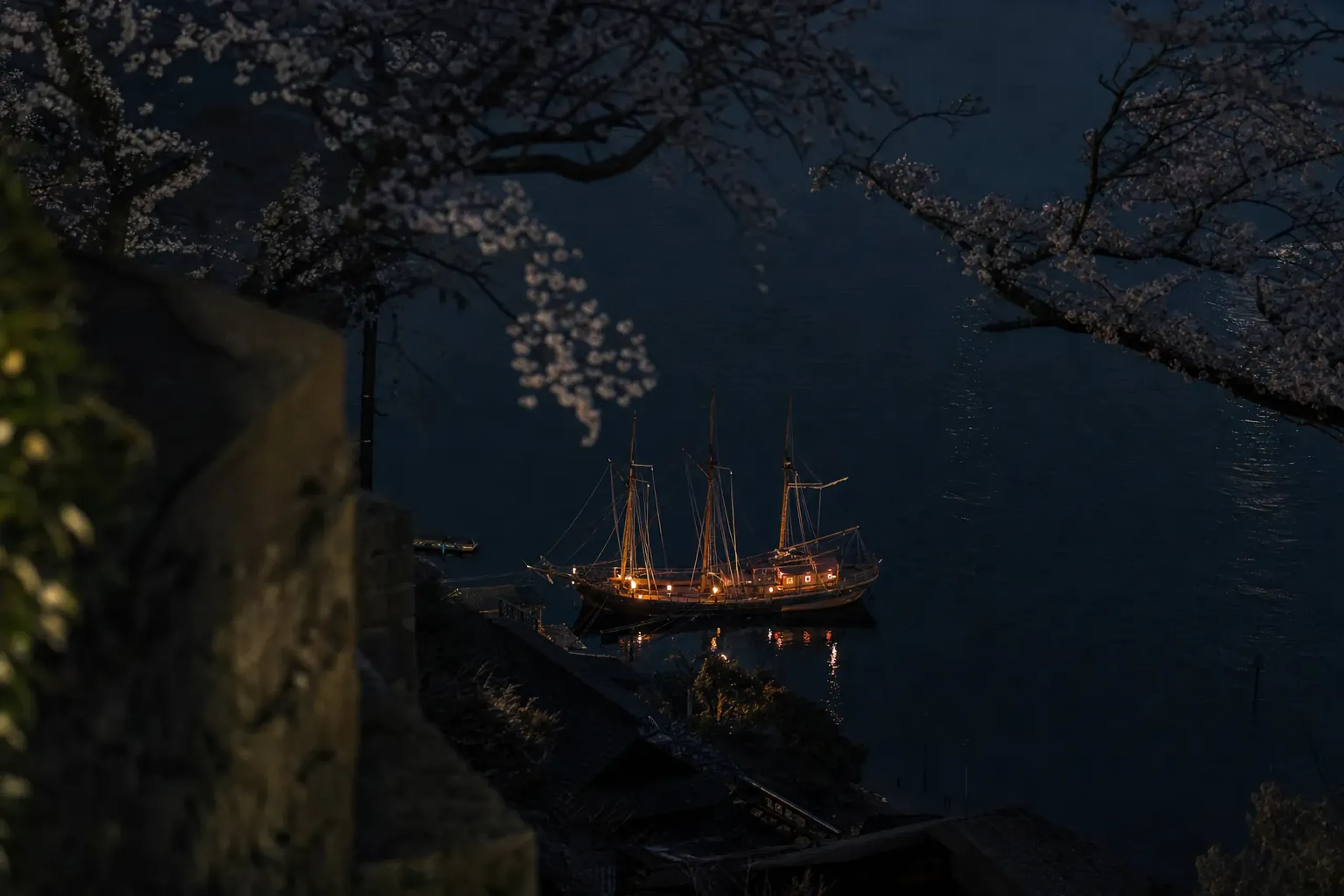
A quiet through-line running from a Nagasaki hillside into the cabinet rooms of modern Japan.
The Real Madame Butterfly, Told Correctly
You will read, in a hundred places, that the Glover House "resembles the setting of Madame Butterfly." That framing is soft and mostly wrong. The connection is closer than architecture.
Around 1870, Glover married Tsuru, a former geisha, introduced through a connection to the Satsuma statesman Godai Tomoatsu. Glover and Tsuru together are considered the real-life models for the central couple in Puccini's opera. Not a house that looks the part — an actual marriage between a Western merchant and a Japanese woman on this hillside, which fed into one of the most performed operas ever written.
Stand in the garden today and you will find statues of Puccini and of Miura Tamaki, the soprano who became famous performing the role of Cio-Cio-san. They are not decoration. They mark a story that began here, in a real household, with real people.
What Is The Former Glover House, Exactly?
The Former Glover House, completed in 1863, is the oldest surviving Western-style wooden building in Japan. It is designated an Important Cultural Property.
The architecture rewards a slow eye. It fuses Western form with Japanese craft — bungalow proportions wrapped around a hidden plan, tiled roofs, verandas shaped for the harbor breeze. Among the earliest examples anywhere of the East–West architectural blend that would define treaty-port Japan.
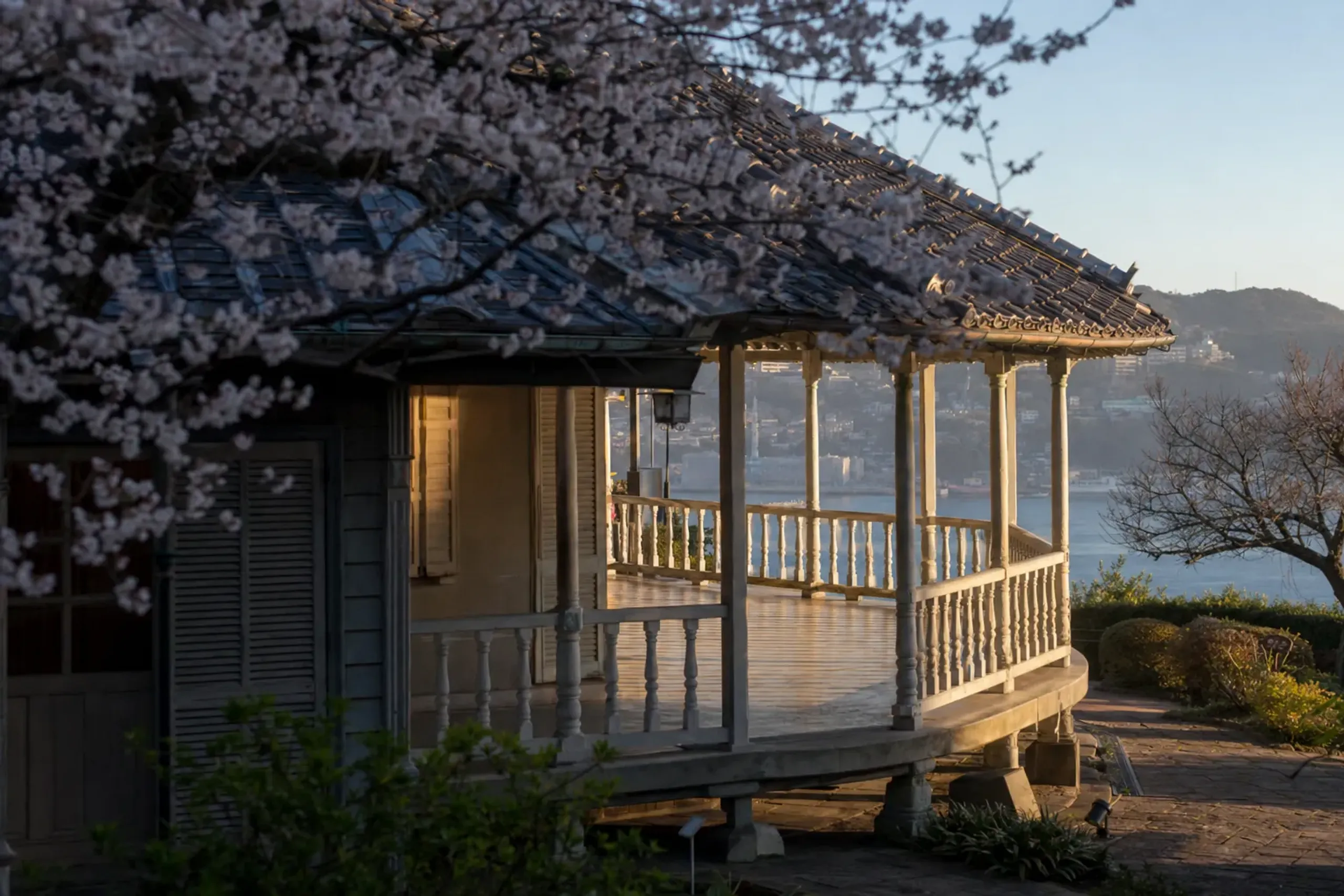
The house also worked as a meeting site for rebel samurai from Chōshū and Satsuma in the years before the Restoration. Conversations that helped end an era happened inside these rooms. Glover's ties to the Nagasaki trading networks — including the well-documented commercial links to the British firm Jardine Matheson — placed him at the practical hinge of foreign trade and domestic upheaval.
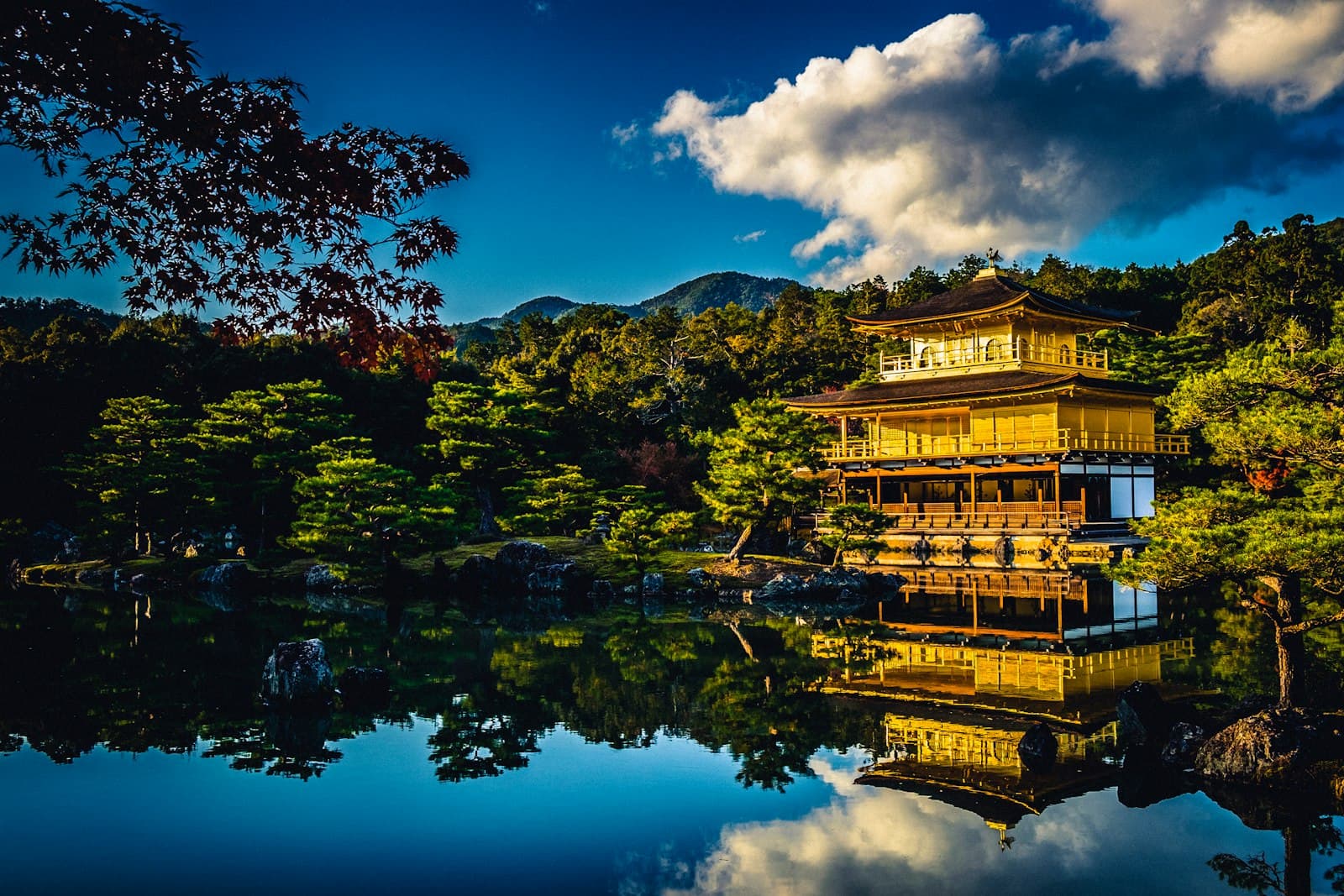
Today Glover Garden is an open-air museum on the southern slope of the hill in Minami-Yamate, gathering the Former Glover House alongside other mansions of Nagasaki's former foreign residents. The Old Glover House, Old Ringer House, and Old Orto House are all nationally designated. The Glover Residence itself was donated to Nagasaki City in 1957 by the Nagasaki Shipyard of Mitsubishi Heavy Industries and opened to the public. The site now sits within the UNESCO-listed Sites of Japan's Meiji Industrial Revolution.
Key fact: Glover Garden sits on a steep hillside with slopes, steps, and moving walkways. Nagasaki's official barrier-free information was revised in April 2026. Anyone travelling with limited mobility or across generations should plan the entry and exit route in advance — it changes the visit entirely.
From Rifles To Coal To Kirin Beer
Glover's later life reads like an improbable epilogue.
After the Restoration he managed the Takashima Coal Mine, which was acquired by Iwasaki Yatarō, the founder of Mitsubishi. The relationship deepened. In 1885, Glover was formally invited into Mitsubishi as a company advisor — a foreigner sitting inside the rising industrial house of the new Japan.
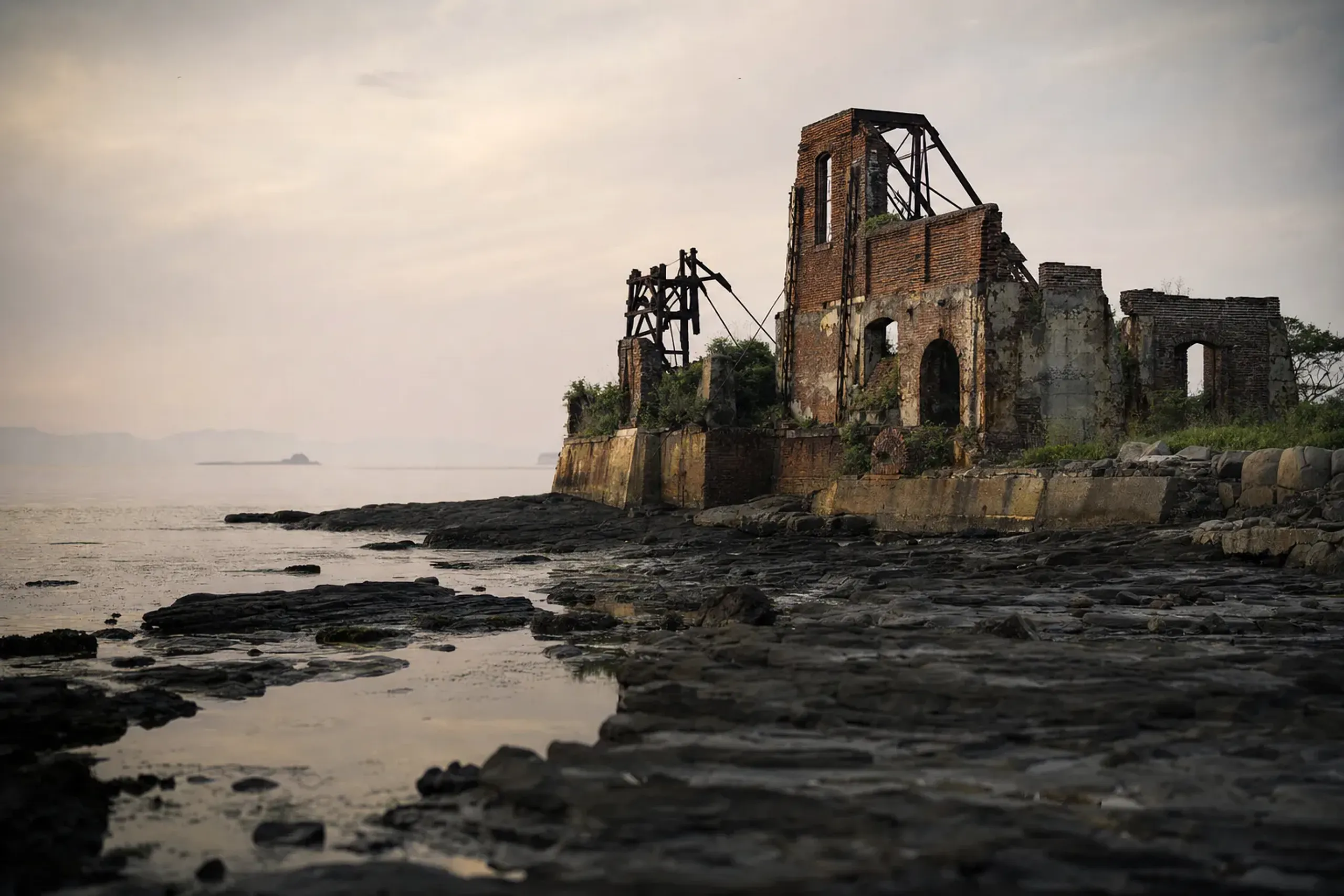
Then the detail that makes people smile. Glover is credited with recommending that Iwasaki rescue a financially struggling brewery called Spring Valley Brewery. That brewery became the foundation of what is now Kirin Beer. So the next cold glass of Kirin you pour carries, at several removes, the fingerprints of the man on this hill.
In 1908 Glover received the Order of the Rising Sun, 2nd class — an exceptional honor for a foreigner, awarded specifically for his contribution to the Meiji Restoration. He died in 1911, aged 73, and lies buried in Nagasaki's international cemetery beside Tsuru.
When Is The Best Time To Visit Glover Garden?
Early morning or after dark. Morning gives you the harbor light and thin crowds; evening, during the seasonal lantern event, gives you the garden's most atmospheric hours.
The Glover Garden Lantern Night, listed on Nagasaki's official prefectural tourism portal, runs roughly July 17 to October 31, 2026, with certain dates excluded. Around 400 lanterns join the illumination across the hillside. It is the strongest reason to plan an evening rather than a daytime stop. Because excluded dates apply, confirm the exact calendar before fixing an evening.
For photographers, the blue hour just after sunset over Nagasaki harbor is the frame to chase. In our experience, pairing the lit garden with the night view from Mt.
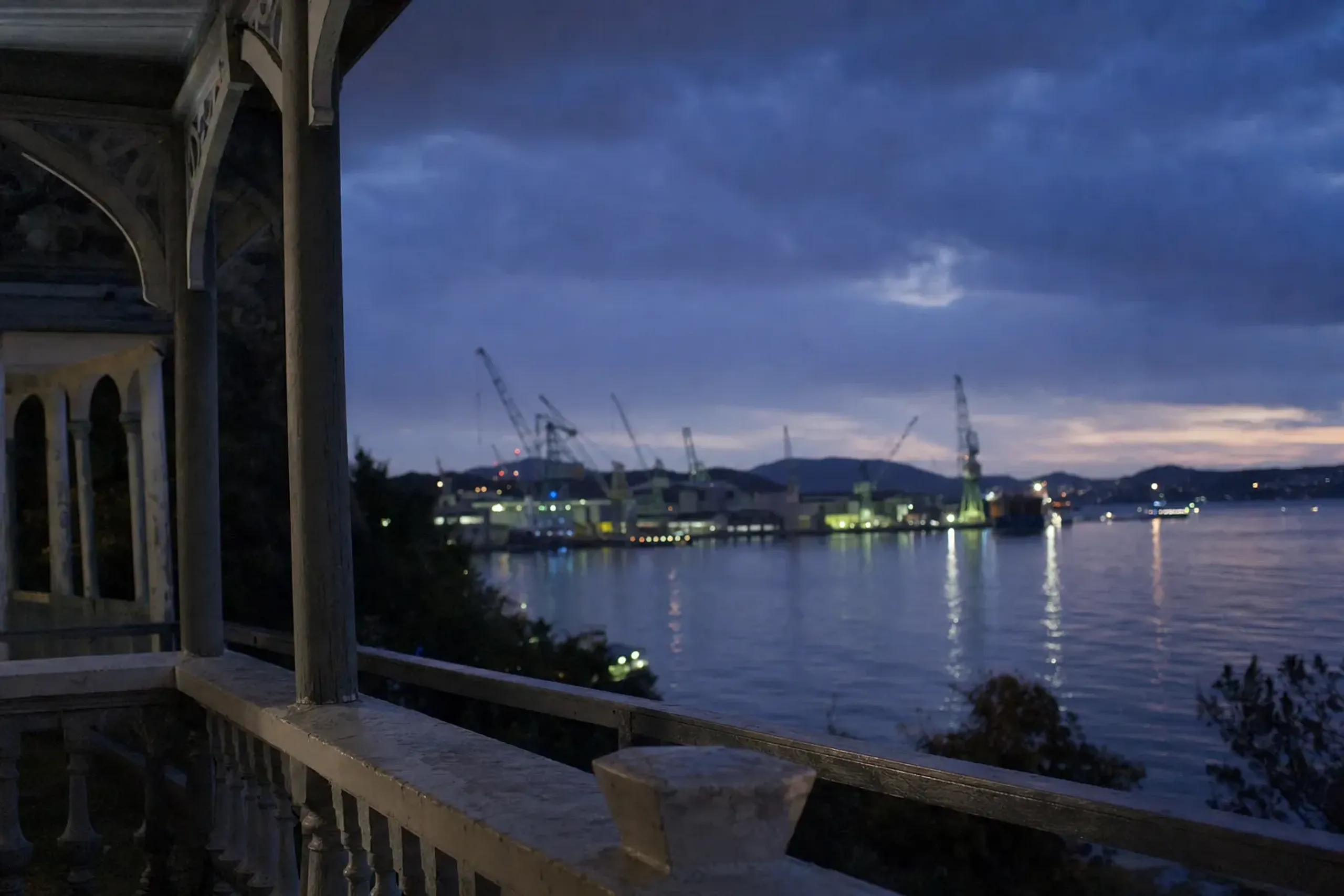
Inasa afterward makes for a coherent evening rather than two disconnected stops. Spring and autumn bring the garden's flowers and the gentlest walking weather on those slopes.
How Do You Get To Glover Garden In Nagasaki?
Glover Garden is at 8-1 Minamiyamate-machi, on the southern hillside of the Yamate district, a short climb above Oura.
By public transport, the official route uses Nagasaki's streetcars: from Nagasaki Station toward Shinchi Chinatown, transferring to reach Oura Tenshudo, then walking uphill. It works, but it involves transfers, a walk, and a gradient — awkward with luggage, small children, or older travellers.
A private chauffeured arrival changes the day. Our team at Japan Royal Service handles the door-to-hillside logistics through our private transportation service, so you arrive rested at the most comfortable entry point and time your visit around the light rather than the tram timetable. We can also fold Glover Garden into a wider treaty-port morning — the nearby Ōura Church, the Dutch Slope, the Yamate residences — read as one continuous story rather than a checklist. See our guide to reading a hotel by its Michelin Keys when you plan where to base for the night.
What Japan Royal Service Arranges Here
Plainly: expert guiding and private transfers. A scholar-minded guide who can tell the rifle story, the smuggling, and the Madame Butterfly truth in the rooms where they happened — and a private car that removes the slopes, the transfers, and the crowds from the equation.
Around that, we shape the rest of the stay: the right harbor-view room, an unhurried evening pace during Lantern Night, quiet dining after dark. For where you rest your head, our tailor-made itinerary planning and accommodation guidance settle it around your interests, not a fixed template. Glover Garden is the anchor; the day is built to hold it.
Frequently Asked Questions
Who was Thomas Blake Glover and why does he matter?
Thomas Blake Glover was a Scottish merchant in Nagasaki who, in 1866, sold 7,300 rifles to Chōshū domain — the side that helped topple the shogunate — and secretly arranged passage to Britain for future Meiji leaders including Itō Hirobumi.
Is Glover Garden really connected to Madame Butterfly?
Yes, directly. Around 1870 Glover married Tsuru, a former geisha, and the couple are considered the real-life models for the central pair in Puccini's opera. Statues of Puccini and soprano Miura Tamaki stand in the garden today.
What is the Glover Garden Lantern Night in 2026?
A seasonal evening event listed on Nagasaki's official tourism portal, running roughly July 17 to October 31, 2026, with around 400 lanterns and illumination across the hillside. Some dates are excluded, so confirm the exact schedule before planning an evening.
Is Glover Garden accessible for older travellers or wheelchairs?
Partly. The garden sits on a steep hillside with moving walkways and lifts in places, but slopes and steps remain.
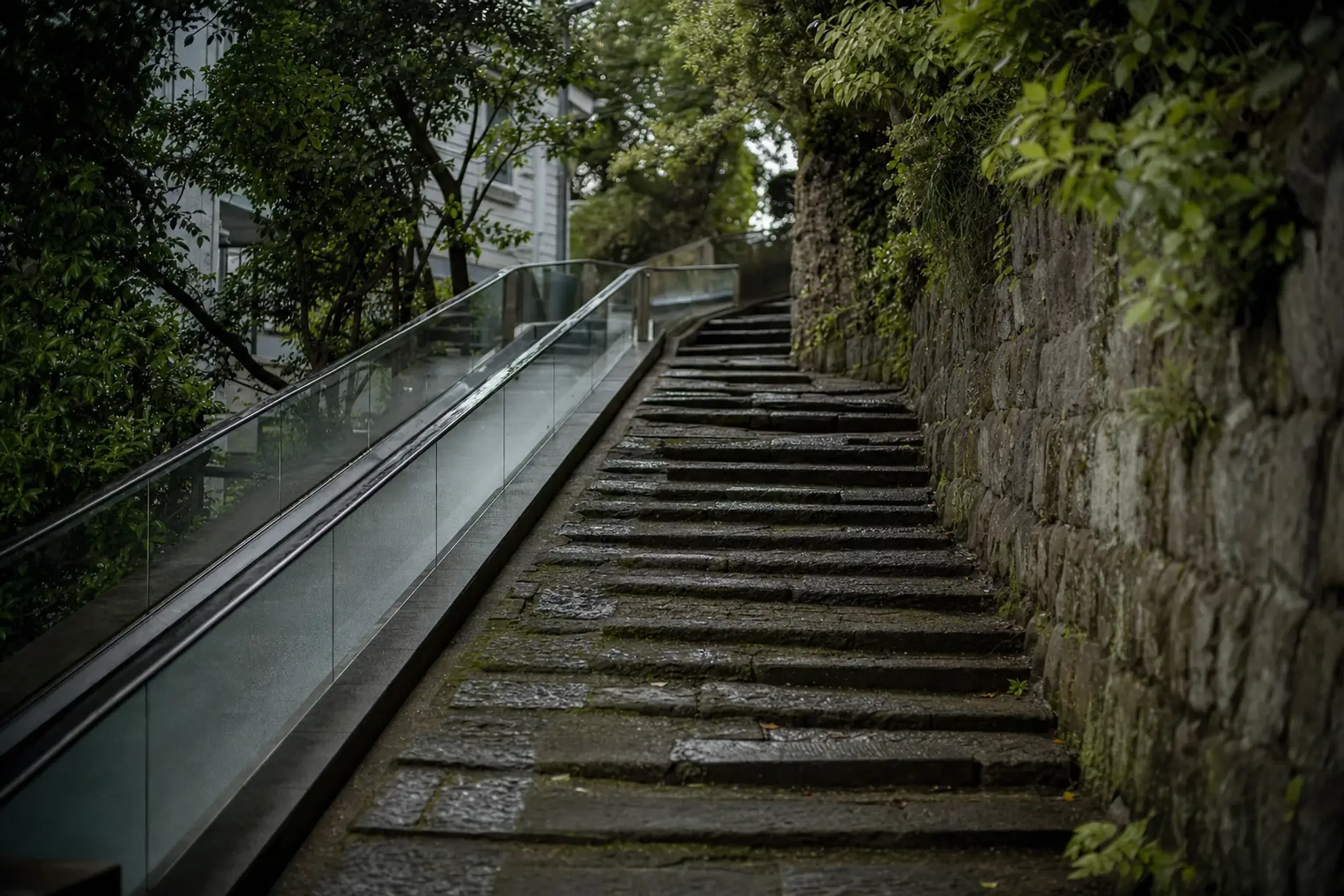
Nagasaki's official barrier-free page was updated in April 2026; plan the entry and exit route in advance for multigenerational visits.
How much time should I spend at Glover Garden?
Allow about ninety minutes to two hours for an unhurried visit with a guide. Add more if you combine it with the nearby Ōura Church, Dutch Slope, and the Yamate treaty-port walk in one morning.
Why Choose Japan Royal Service
Anyone can walk up the hill and read the plaques. Fewer visitors leave understanding what actually happened here — a foreign merchant arming one side of a civil war, smuggling out the men who would run the country, marrying the woman behind an opera the world still performs.
That is the difference we bring. Our concierge pairs deep, verified interpretation with private logistics that dissolve the friction of a steep hillside site far from the main stations. Discretion is assumed, never advertised. Our guiding is grounded in fact, not gift-shop legend. And every element — the timing, the car, the room, the evening — is arranged around one traveller's curiosity rather than a package.
To plan a private Nagasaki day built around Glover Garden, reach our team directly via WhatsApp or LINE, or contact us here.