In this guide
- 01Awa Odori Dates In Tokushima: What Happens On August 11 Vs August 12–15?
- 02What Is A Ren In Awa Odori, And Why Do The Troupes Matter?
- 03How Do You Watch Awa Odori For Free On The Street Routes?
- 04What Are Awa Odori Enbujo Reserved Seats, And Who Are They For?
- 05How Do You Decide Between Street Viewing And Reserved Seating?
- 06Can Visitors Join Awa Odori? What Niwaka-Ren Means In Practice
- 07Where Should You Stay For Awa Odori? Why Hotels Sell Out First
- 08How Do You Get Around Tokushima During Awa Odori Street Closures?
- 09How Far Back Does Awa Odori Go, And What Does The Name Mean?
- 10How Do You See Awa Odori If You Can’t Visit In August?
- 11Heat, Crowds, And Who Should Skip Awa Odori
- 12How To Track Official 2026 Updates Without Drowning In Conflicting Advice
- 13Frequently Asked Questions
- 14Why Choose Japan Royal Service
You land in Tokushima thinking you’ll “catch the parade.”
Big mistake.
Awa Odori is four separate nights, spread across central streets, and the feeling changes block by block.
If you don’t decide how you want to watch—street-side or reserved seats—you’ll spend the evening orbiting crowds instead of seeing the dance.
Awa Odori Dates In Tokushima: What Happens On August 11 Vs August 12–15?
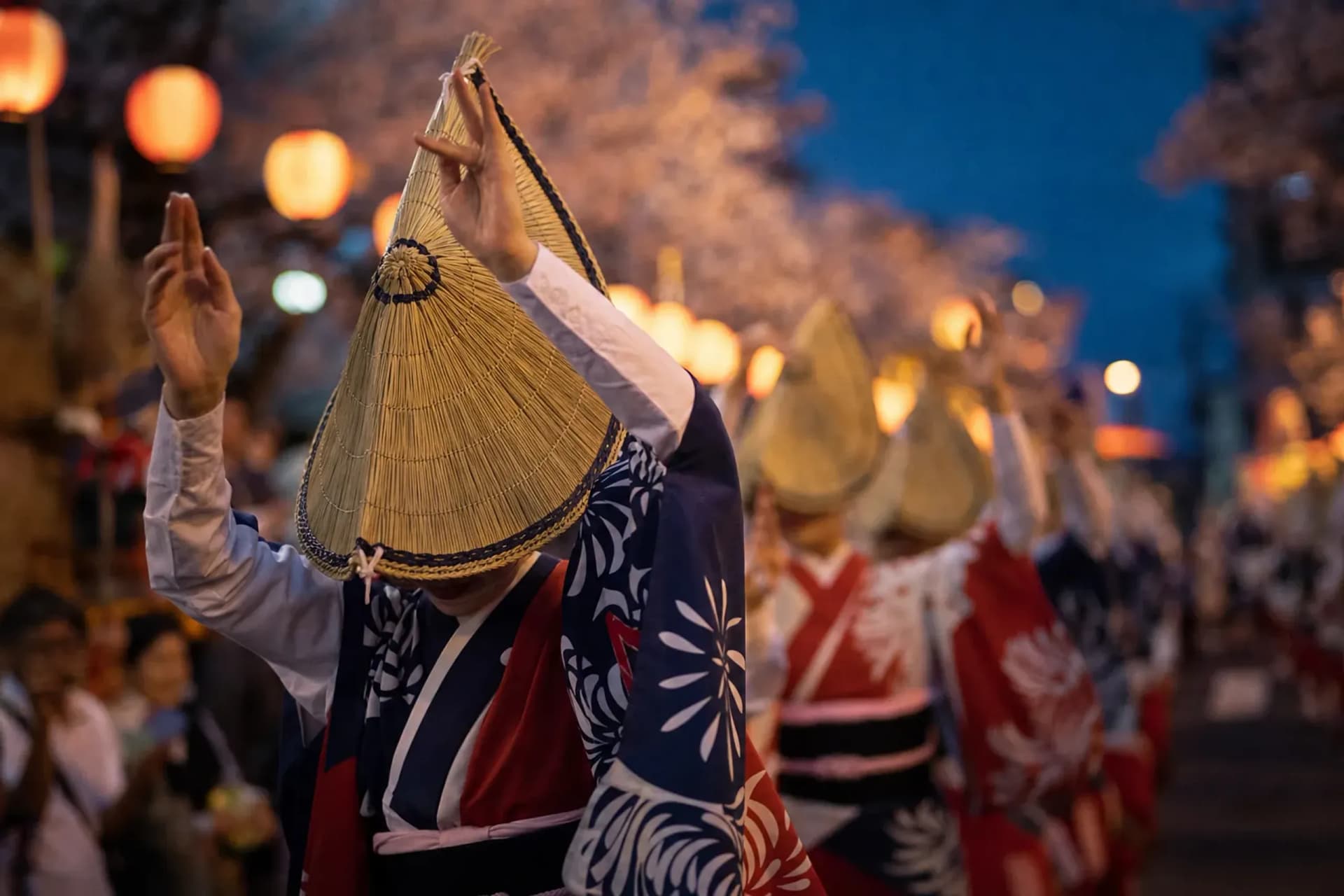
Awa Odori’s outdoor street dancing in Tokushima City runs every year on August 12–15, while August 11 is an indoor preview only.
Those dates are fixed. That’s the first planning advantage you can use.
If your trip is built around the street atmosphere—the drums, the wooden clappers, the flash of matching yukata as a troupe turns a corner—your flights and hotel hold must sit inside August 12–15.
Tokushima City closes streets in the center each evening during the festival. If you are driving (or being driven), your approach and exit need choreography, not optimism.
What Is A Ren In Awa Odori, And Why Do The Troupes Matter?
A ren is a dance troupe, and it’s the unit that shapes what you’re watching.
Some ren feel like a rolling wave: tightly spaced dancers, a steady forward push, sound that arrives before the costumes do.
Others leave more air between lines. The pauses read differently.
For a first-time visitor, this matters because Awa Odori is not one “show.”
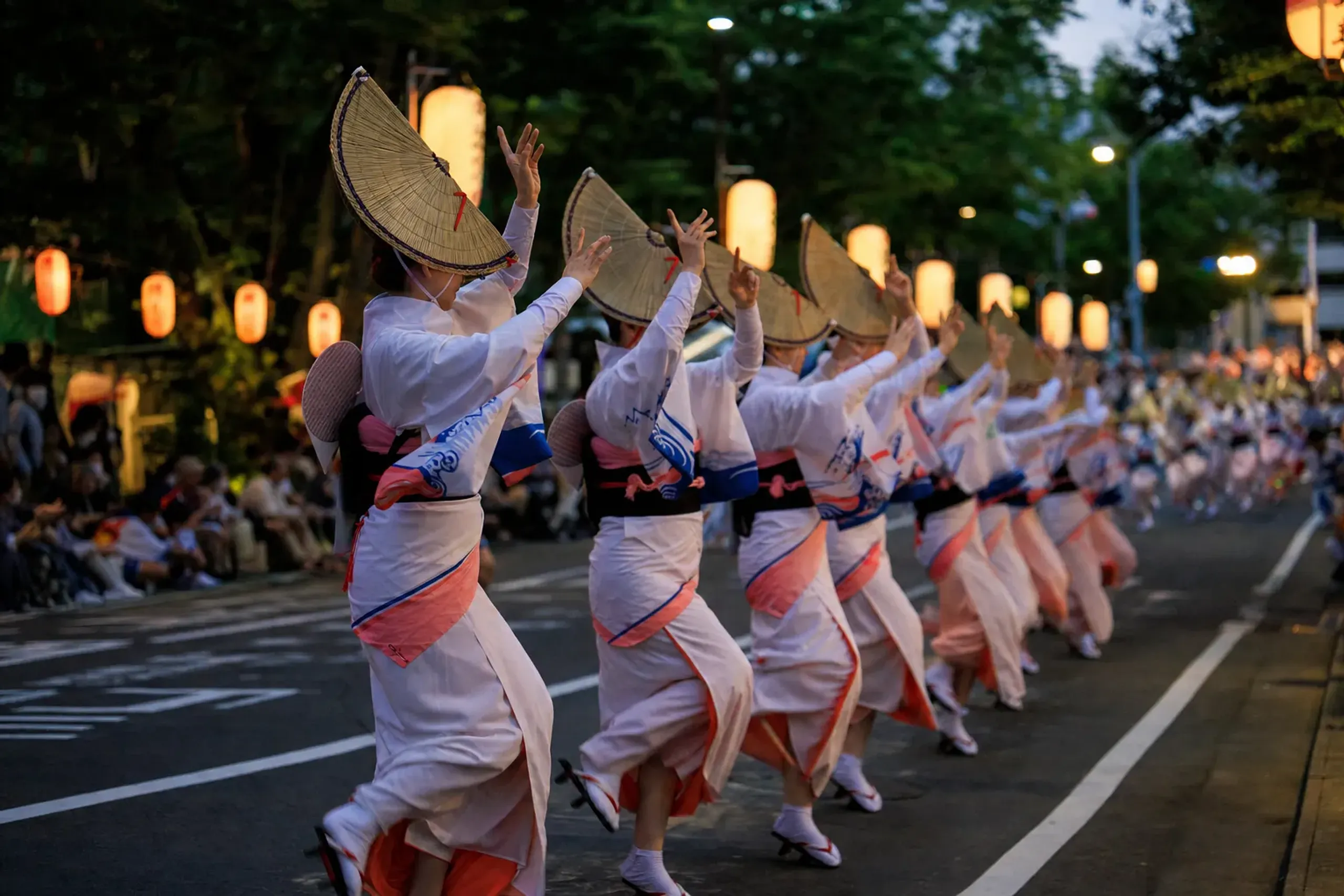
It’s a sequence of ren passing, one after another, and your best moments come from noticing how each troupe moves, groups, and signals its own identity.
How Do You Watch Awa Odori For Free On The Street Routes?
You can watch Awa Odori for free by standing along the street routes where ren pass continuously during the evening road closures in central Tokushima.
This is the closest, most physical way to experience the festival. You feel the sound in your chest.
It is also the least predictable. Sightlines change as people shift, and a great spot can disappear when a group stops to let others through.
In our experience at Japan Royal Service, street viewing works best when you plan your night as a loop rather than a single “camping spot.” You choose one main stretch to commit to, then one quieter fallback street if the density climbs.
What Street Viewing Gives You
Proximity. Real contact with the city.
You’ll see small details that a seat can’t always deliver: a dancer adjusting an obi on the move, a quick nod between performers, the moment a ren regains its spacing after a tight corner.
The tradeoff is comfort. You will stand for long stretches.
Street Viewing Rules That Save The Night
- Commit early, then move late. The first hour is for finding your rhythm. The last hour is for relocating once you understand flow.
- Expect heat. Mid-August in Tokushima is hot, and the crowd holds warmth.
- Keep your bag small. You will be turning your body to let people pass. Bulky bags cause friction fast.
What Are Awa Odori Enbujo Reserved Seats, And Who Are They For?
Awa Odori enbujo are staged venues with bleacher seating where strong ren perform structured presentations, and reserved tickets can sell out.
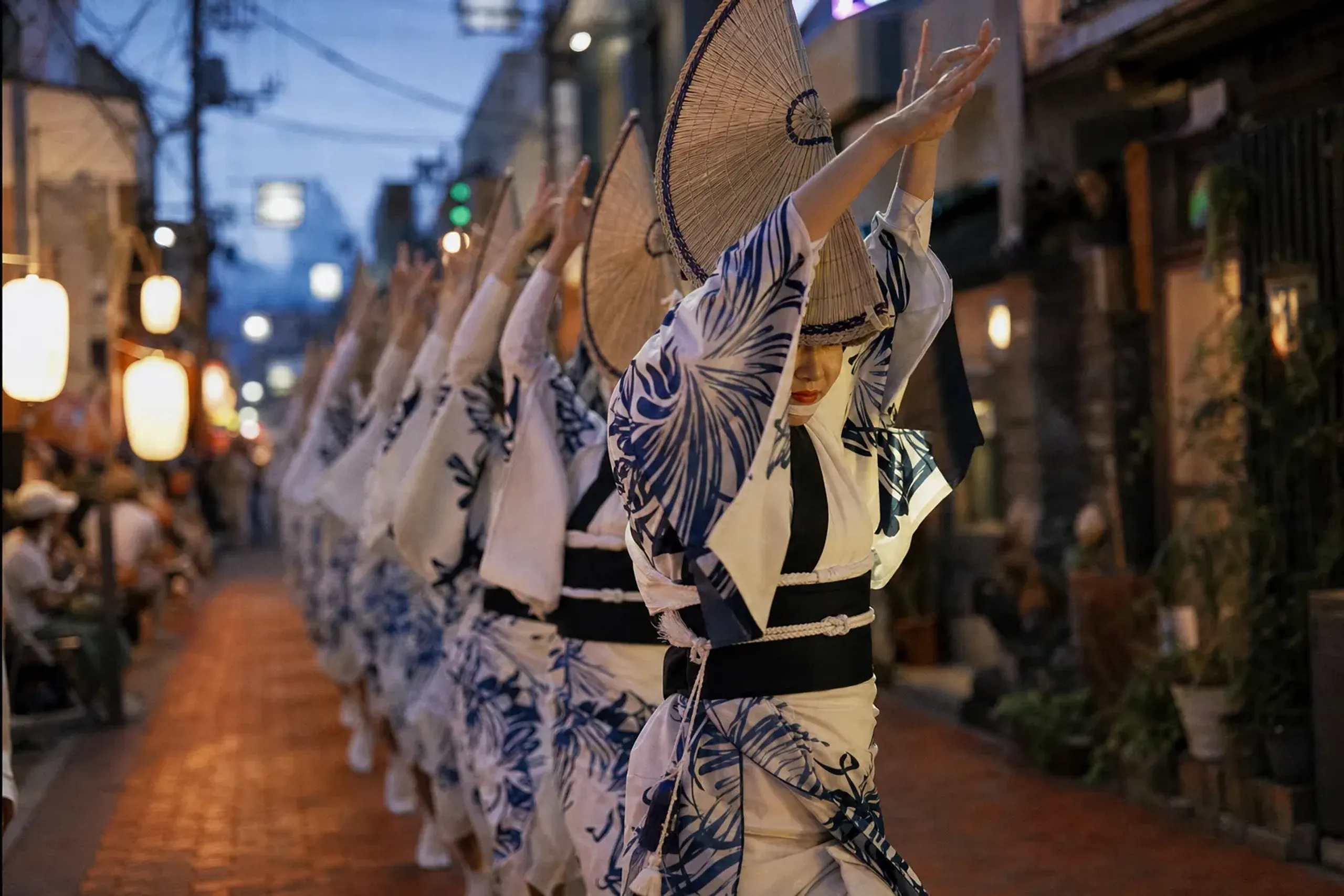
This option is about clarity. You get a stable angle.
You also get a cleaner “edit” of Awa Odori. The troupes you see are presented in a way that reads as a performance, not an accidental encounter.
Reserved seating is often the right answer for families, travelers who dislike crowd compression, or anyone who wants to study the dance with a steady viewpoint instead of fighting for one.
Street Vs Enbujo: A Practical Comparison
| Choice | Best For | What You Give Up |
|---|---|---|
| Street Viewing (Free) | Travelers who want closeness, spontaneity, and the city’s full noise | Predictable sightlines, personal space, easy breaks |
| Enbujo Reserved Seats | Travelers who want a clear view, pacing, and a more structured program | The feeling of “being inside” the street flow |
Key fact: Many visitors fixate on tickets, but the bigger mistake is lodging—Tokushima rooms go first during August 12–15.
How Do You Decide Between Street Viewing And Reserved Seating?
Choose street viewing if you want closeness and don’t mind standing; choose reserved seats if you want a stable view, scheduled pacing, and less crowd pressure.
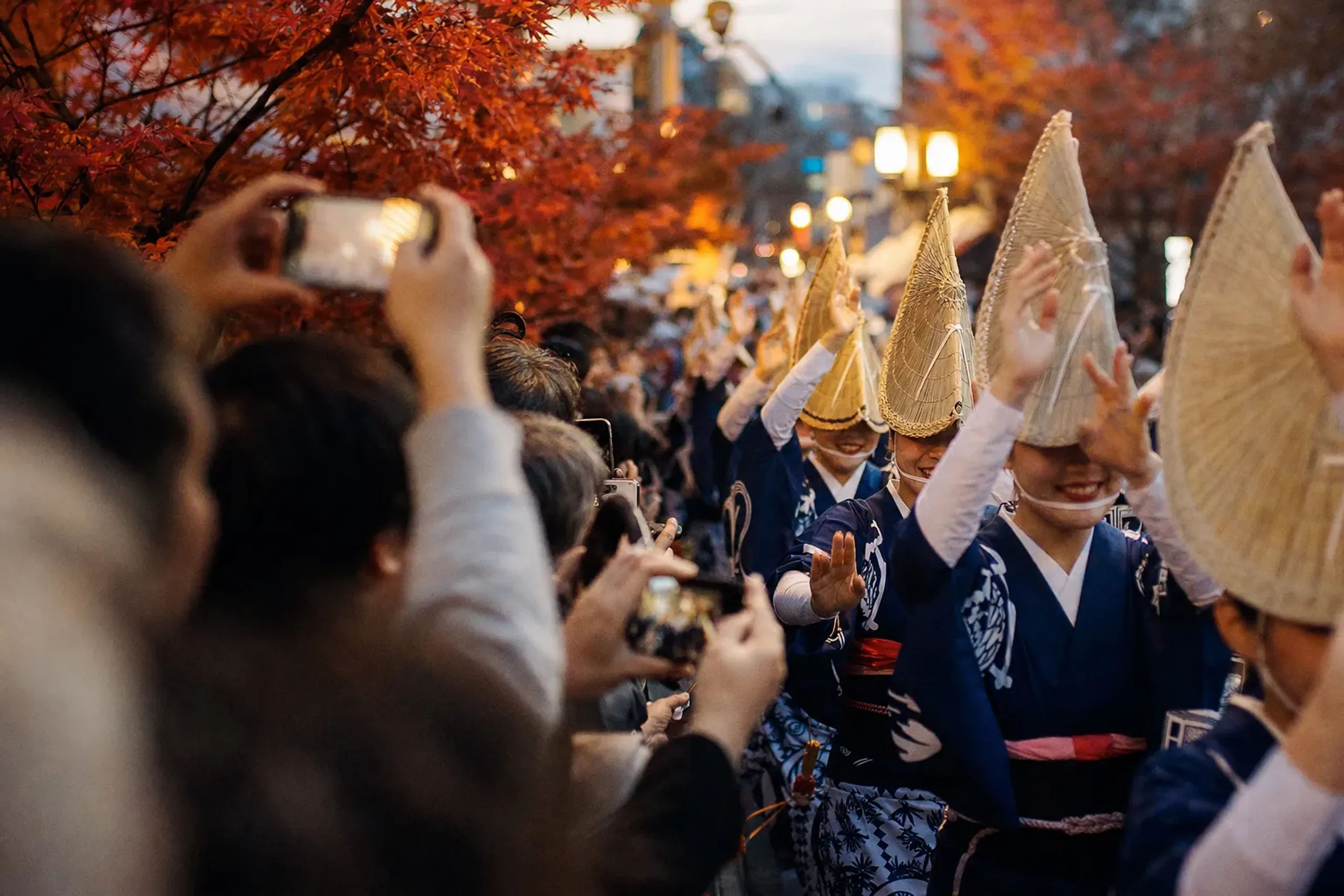
Neither is “better.” They are different instruments.
If you are traveling as a couple, a hybrid night often works: start with an enbujo performance to understand the dance, then step into the street routes with sharper eyes.
If you are traveling as a family, reserved seats can reduce friction. Children do better when the evening has shape, not constant repositioning.
Two Itineraries That Actually Fit Real People
Option A: One-Night Precision (Reserved Seats First)
You arrive with a clear start time and a defined viewing block. Good for business travelers and first-timers.
- Early dinner, then a reserved-seat performance for a clean view
- Afterwards, a short street walk to hear multiple ren pass in sequence
- Exit before the densest late-night surge
Option B: Two-Night Immersion (Street Night + Seat Night)
You give the festival room to unfold. Better for curious travelers who want both texture and structure.
- Night 1: street-only, slow loop, find your preferred tempo
- Night 2: reserved seats, then a targeted street stretch for close-up details
Can Visitors Join Awa Odori? What Niwaka-Ren Means In Practice
Yes—visitors can participate through open dance groups called niwaka-ren, but joining happens through those groups and is not a spontaneous jump-in at the main stages.
This is where many guides mislead people.
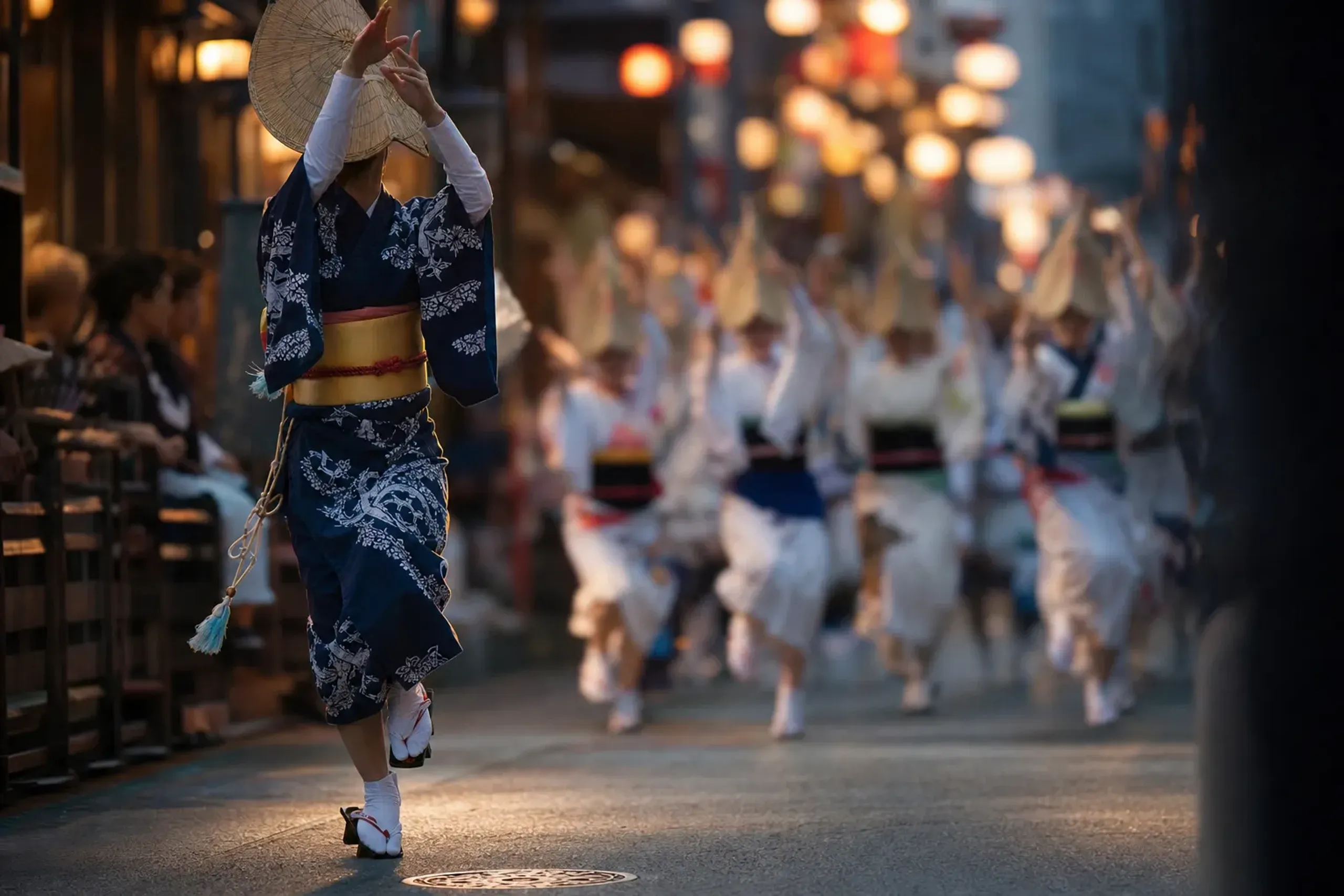
There is a difference between watching a ren pass and stepping into a moving formation.
If participation matters to you, treat it like any other cultural appointment in Japan. Plan it.
Our concierge team at Japan Royal Service can explain what participation looks like in a given year and what level of commitment is expected, then help you build the evening around that pace.
Where Should You Stay For Awa Odori? Why Hotels Sell Out First
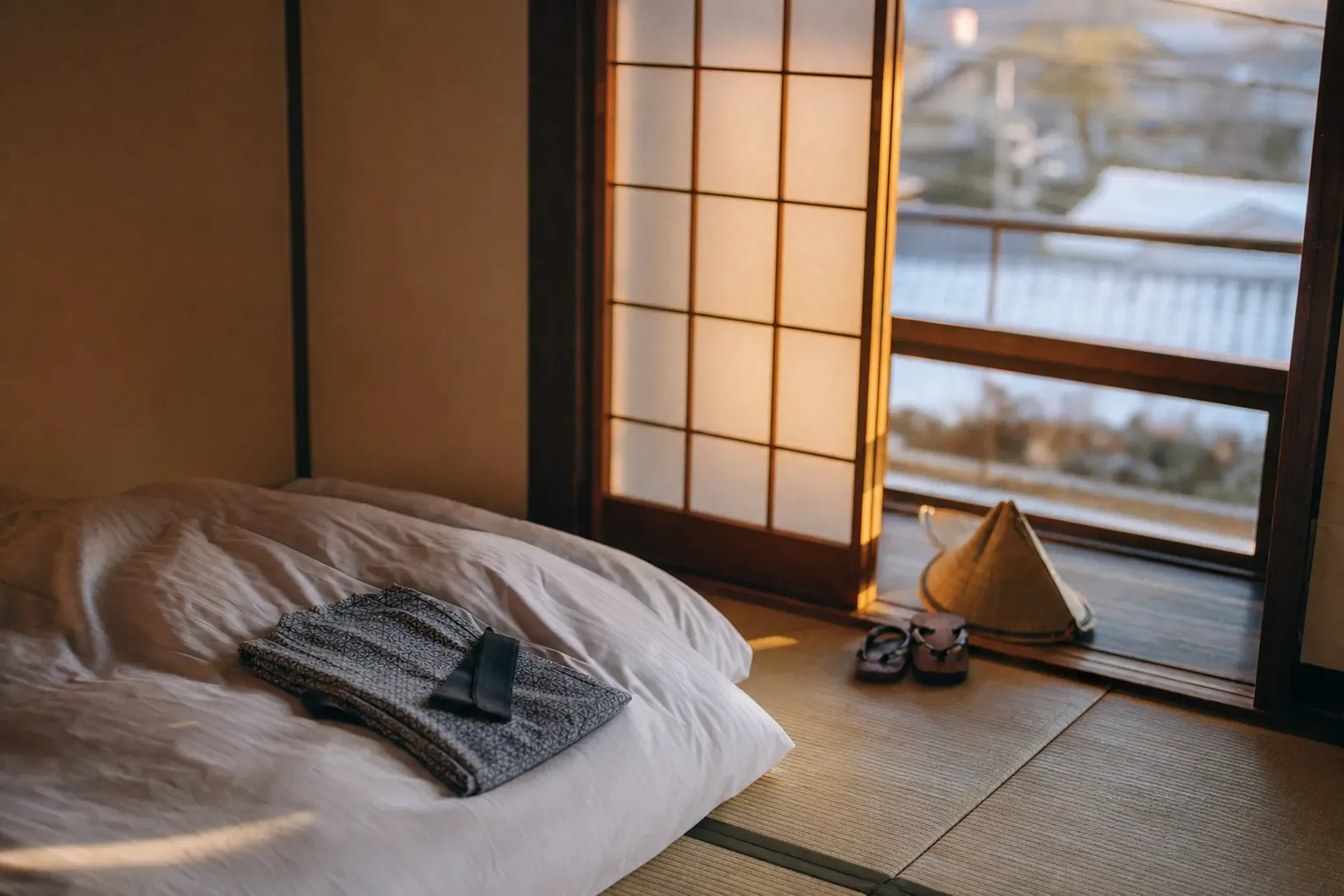
The single most important booking is your hotel, because lodging in Tokushima is tight during Awa Odori and availability shrinks quickly.
That pressure is predictable. The dates are fixed.
If you wait, you are not “taking a risk.” You are choosing a worse experience: long commutes, late-night uncertainty, and fewer options for a quiet reset between festival blocks.
A recognized fallback is staying in nearby Kagawa Prefecture. For a base strategy, see our related post on Takamatsu as a base.
Discretion Changes The Whole Feel Of Festival Travel
In a dense crowd, privacy becomes a real need, not a luxury slogan.
At Japan Royal Service, discretion is not a line in a brochure. It’s an operating habit: minimal exposure, quiet transfers, and careful handling of your itinerary details so you can enjoy a public festival without living publicly.
That’s also why we talk openly about the constraint. Hotels first.
How Do You Get Around Tokushima During Awa Odori Street Closures?
Plan on traffic restrictions in central Tokushima each evening, and stage your pickup and drop-off outside the closure perimeter to avoid dead stops.
This is not a night for last-minute rerouting. The streets are intentionally sealed.
If you value calm entries and exits, private transport becomes less about comfort and more about timing and control. Your driver is your buffer.
For clients who want a private driver on festival nights, we typically discuss approach points, walking distance tolerance, and a clear “leave now” threshold; learn more about our private transportation options.
How Far Back Does Awa Odori Go, And What Does The Name Mean?
Bon festivities in Tokushima have been known since the 16th century, while the name “Awa Odori” came into use in the 20th century.
“Awa” refers to Tokushima’s former name. “Odori” means dance.
That long timeline explains the mood. This isn’t a stage invention.
It’s also why respect matters even when the streets feel wild. You are stepping into a community rhythm tied to Obon season, not consuming a one-off performance.
How Do You See Awa Odori If You Can’t Visit In August?
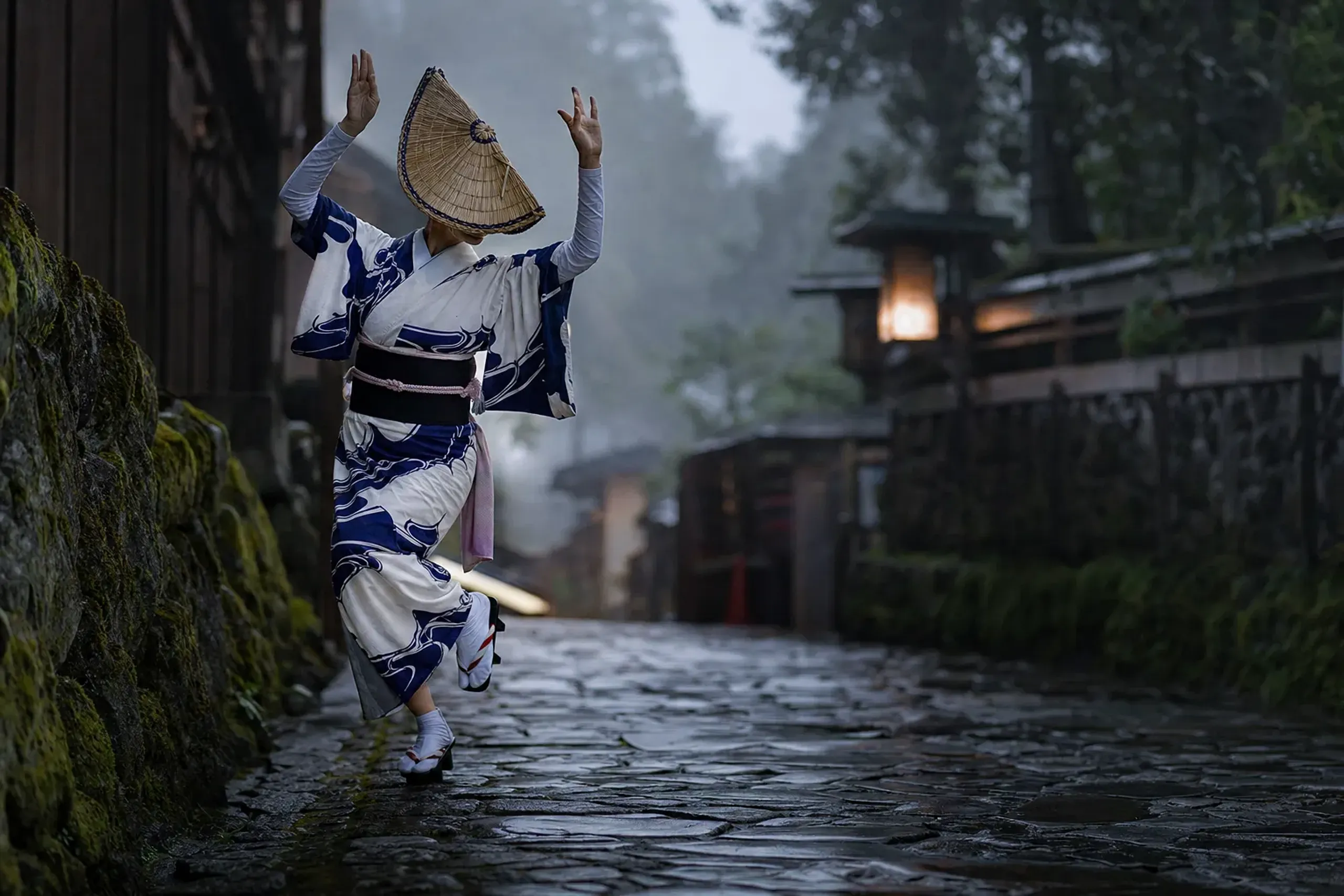
If you can’t travel in mid-August, you can still experience Awa Odori year-round at Awa Odori Kaikan in Tokushima.
For many travelers, the Kaikan is the right answer. Quieter. Cooler.
You can focus on the dance itself instead of crowd navigation, and it’s a strong cultural anchor for a Shikoku itinerary that is not pinned to August 12–15.
If you are already near Tokushima Station, it is also a practical add-on rather than a full-day detour.
The Tokyo Alternative: Koenji Awa Odori
Tokyo has its own version: Kōenji Awa Odori in Suginami, modeled on Tokushima’s festival and begun in 1956.
For 2026, the NPO Tokyo Koenji Awa Odori Promotion Association reports the 67th event was held on August 29–30, 2026 (Sat–Sun).
This is not a substitute for Tokushima. It is its own summer street festival, and the scale and setting are different.
Heat, Crowds, And Who Should Skip Awa Odori
Tokushima in mid-August is hot, and Awa Odori crowds can be dense along the main routes.
If you dislike compression, skip it.
The same goes for travelers who need travel dates outside August 12–15. The street dancing does not “slide” to another week.
If your priority is cultural depth without peak heat and street density, Awa Odori Kaikan is the calmer way in, and our team can shape the rest of the days around craft, food, and landscape rather than nightly crowd management.
How To Track Official 2026 Updates Without Drowning In Conflicting Advice
Use Tokushima City’s official Awa Odori 2026 page for route and operational updates, and treat social posts and unofficial threads as noise until confirmed.
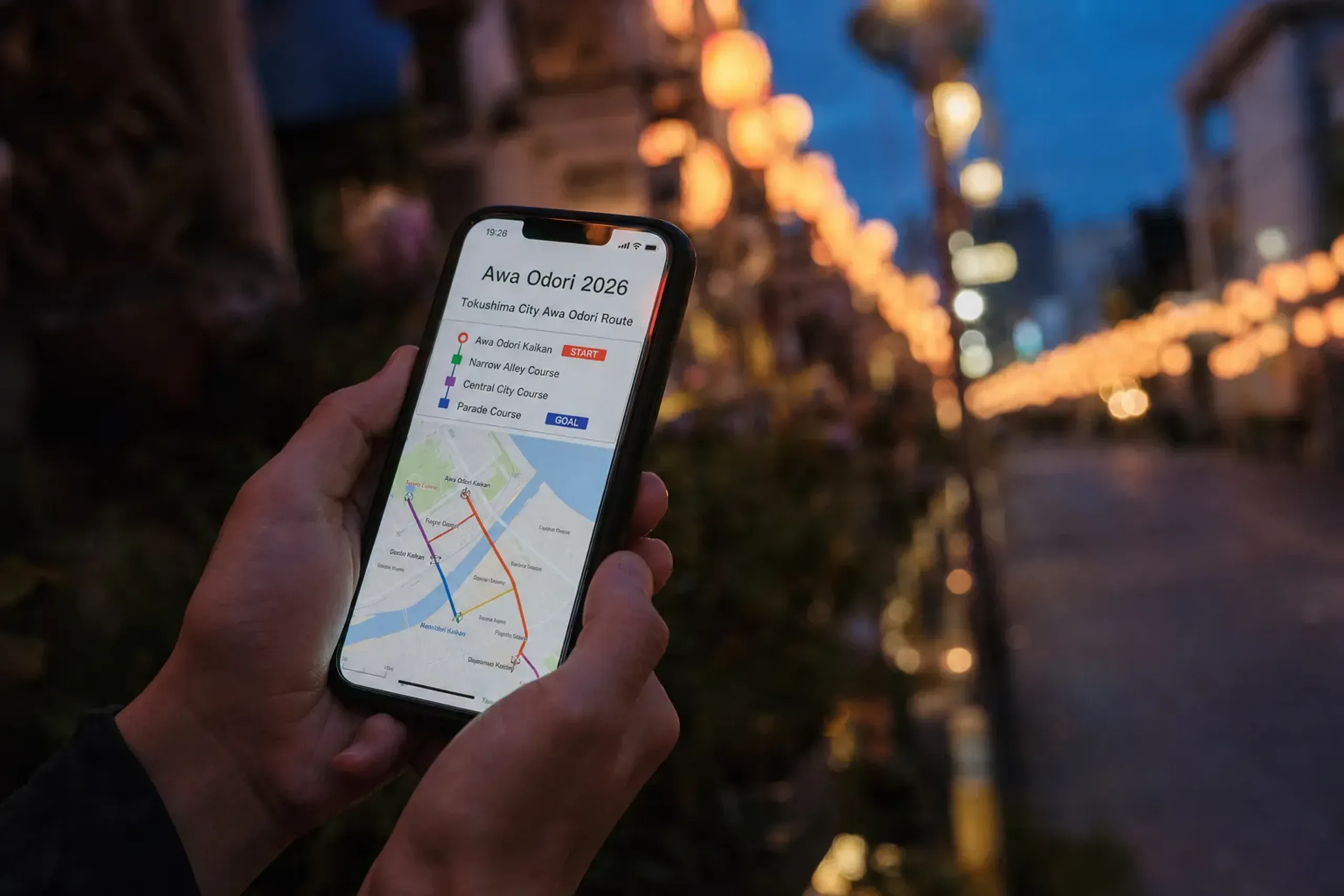
It’s easy to get pulled into rumor. Don’t.
Two sources can both sound confident while describing different years, different venues, or different crowd-control rules.
If you want reserved seating, inbound distribution for 2026 exists via an official English Pia page; our concierge team can guide you through what is actually being offered for your dates and preferences.
Frequently Asked Questions
Is Awa Odori Always August 12–15 Every Year In Tokushima City?
Yes, Tokushima City’s Awa Odori street dancing is held every year on August 12–15, and those dates are fixed.
August 11 is a preview held indoors, so it does not replace the four street nights for travelers who want the outdoor routes.
What Is The Difference Between Street Viewing And Enbujo Reserved Seating?
Street viewing is free standing along the routes, while enbujo reserved seating is ticketed bleacher seating for structured performances by strong troupes.
Street viewing feels closer and louder, but sightlines and space are unpredictable. Enbujo seating offers a stable view and clearer pacing, but less of the street surge.
Can I Join The Dance At Awa Odori If I’m Not Japanese?
Yes, visitors can participate through open groups called niwaka-ren, but participation is organized through those groups and isn’t a spontaneous step-in at the main stages.
If joining matters to you, plan it in advance and be ready to follow group rules on timing, behavior, and formation.
What Should I Book First For Awa Odori: Tickets Or A Hotel?
Book your hotel first, because lodging in Tokushima becomes tight during August 12–15 and disappears quickly.
Reserved seating can also sell out, but many trips fail for a simpler reason: there is nowhere comfortable to sleep within the city when the nights end.
Why Choose Japan Royal Service
You come to Awa Odori for something real. Our job is to protect that reality from avoidable friction.
Japan Royal Service works in the details that most travelers only discover when it’s too late: which night to prioritize, how to combine street viewing with reserved seating, and how to keep your evenings calm even with road closures and heavy heat.
We also understand the softer side: wabi-sabi restraint over loud checklists, and the value of discretion when you want to be present without being exposed. When you want cultural depth, we can add shokunin encounters in the region to balance the festival’s noise with craft and focus.
We can arrange reserved seating, accommodation, transport, and guiding around the four nights—without promising what the festival’s limited inventory cannot guarantee. If you want Tokushima done properly, start early.
Ready to plan Awa Odori around the August 12–15 window? Reach our team privately via WhatsApp or LINE, or contact us here.