In this guide
- 01Why Private Canyoning Feels Like A Luxury (Even If You’ve Done “Adventure” Before)
- 02Where To Go: Real Japanese Alps Canyoning Areas Worth Building Around
- 03The “Private” Difference: What Changes When The Day Is Designed Around You
- 04Season, Water, And Timing: When Private Canyoning Works Best In Japan
- 05Fitness And Risk: Who Private Canyoning Is (And Isn’t) For
- 06Pairing The Descent With Quiet-Luxury Japan: Wabi-Sabi Recovery And Hidden Routes
- 07Kamikochi And Chubu Sangaku National Park: Access Rules You Need To Know
- 08How To Book Private Canyoning In Japan (What’s Official, And What To Ask)
- 09Private Transportation In Mountain Japan: The Hidden Luxury Is Not Having To Think
- 10Designing A Tailor-Made Japanese Alps Itinerary Around Flow (Not A Checklist)
- 11FAQ: Private Canyoning In Japan For Luxury Travelers
- 12Why Choose Japan Royal Service
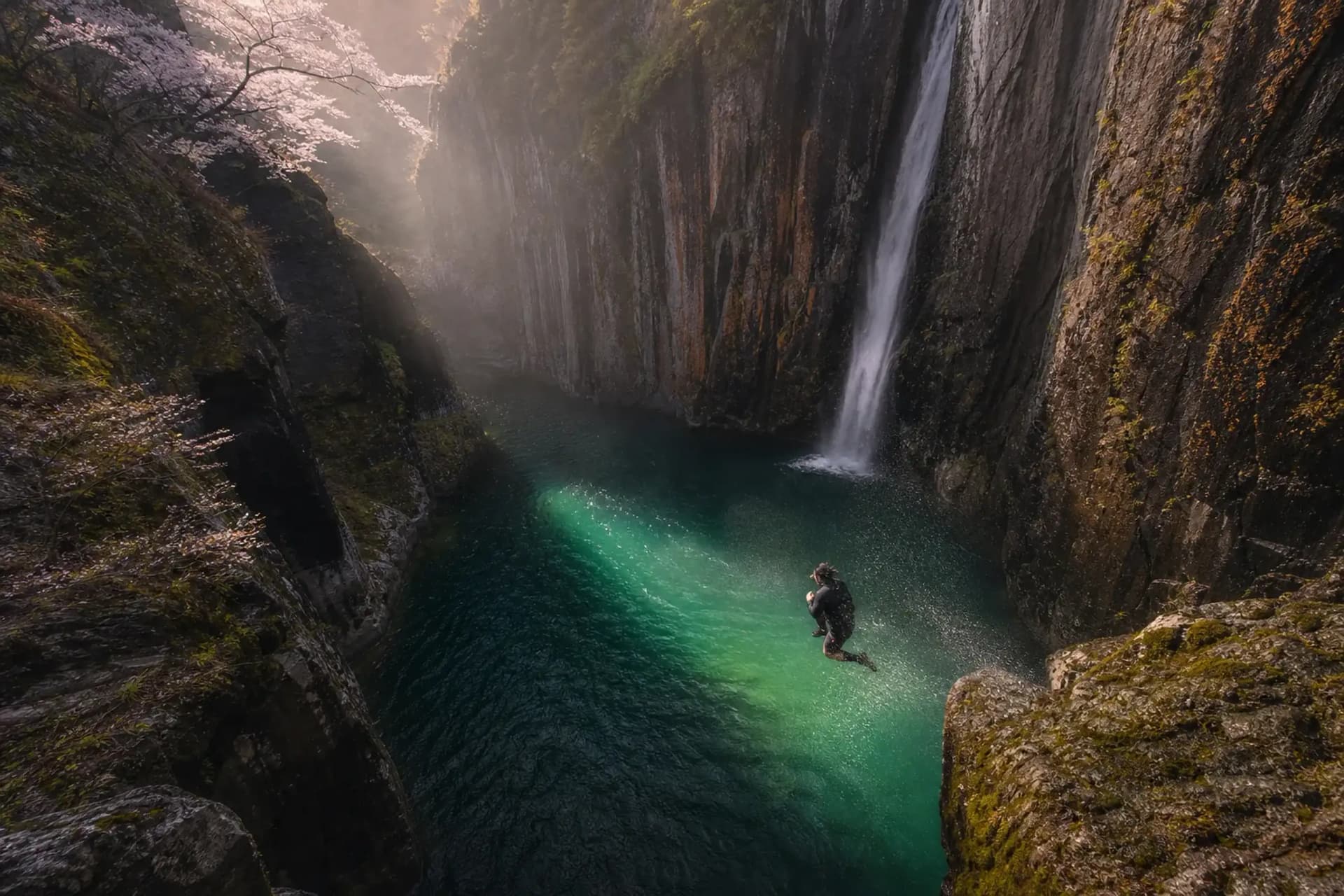
Cold water bites your ankles.
The granite walls pull closer as you edge down a polished chute, and the noise of the outside world—emails, calendars, opinions—gets rinsed out by a single, clean sound: the river doing what it has always done.
An emerald pool waits below. No performance required.
This is the double meaning of “flow.” Water, yes. But also that rare mental state where you stop managing life and start inhabiting it. For many of our guests, that is the real luxury—and it is harder to buy than any suite.
Why Private Canyoning Feels Like A Luxury (Even If You’ve Done “Adventure” Before)
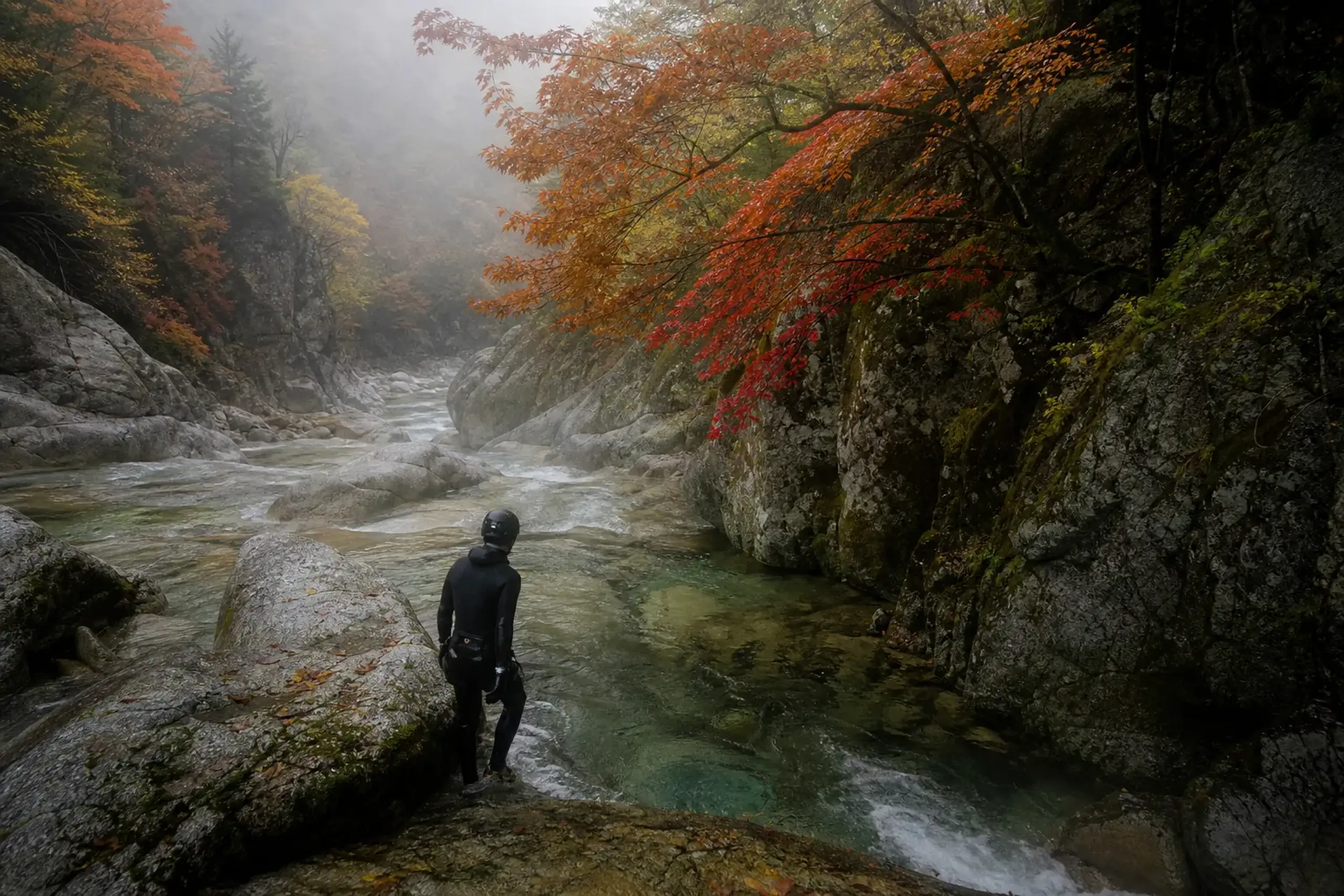
When the water takes over, the mind stops negotiating.
Group canyoning is often sold like a stunt.
Private canyoning, done well, reads differently: a quiet ritual in moving water, guided with watchful precision, paced for your body, and designed so you don’t spend your day negotiating logistics with strangers.
It’s the absence that matters.
No lines at a meeting point. No rushed briefing. No pressure to jump because someone behind you is impatient. In our experience, that alone changes the nervous system from “alert” to “available.”
The Luxury Is Not Speed
Fast is easy to sell.
Flow is slower. You learn the rhythm of a rappel, the short breath before a slide, the way cold water sharpens attention without turning the day into an ordeal.
Silence becomes a feature.
And when it’s private, silence is allowed. You can move in long gaps between sentences, with the guide speaking only when it matters.
Safety Is Part Of The Aesthetic
It’s not glamorous. It’s essential.
Premium travel should never ask you to “be brave” about fundamentals. A serious canyoning day is built on conditions: water level, temperature, recent rain, and whether the gorge is behaving politely.
There is always a go/no-go moment.
We like that clarity. It mirrors the way Japan itself works at the highest level—rules, respect, and timing, all in service of a calm outcome.
Where To Go: Real Japanese Alps Canyoning Areas Worth Building Around
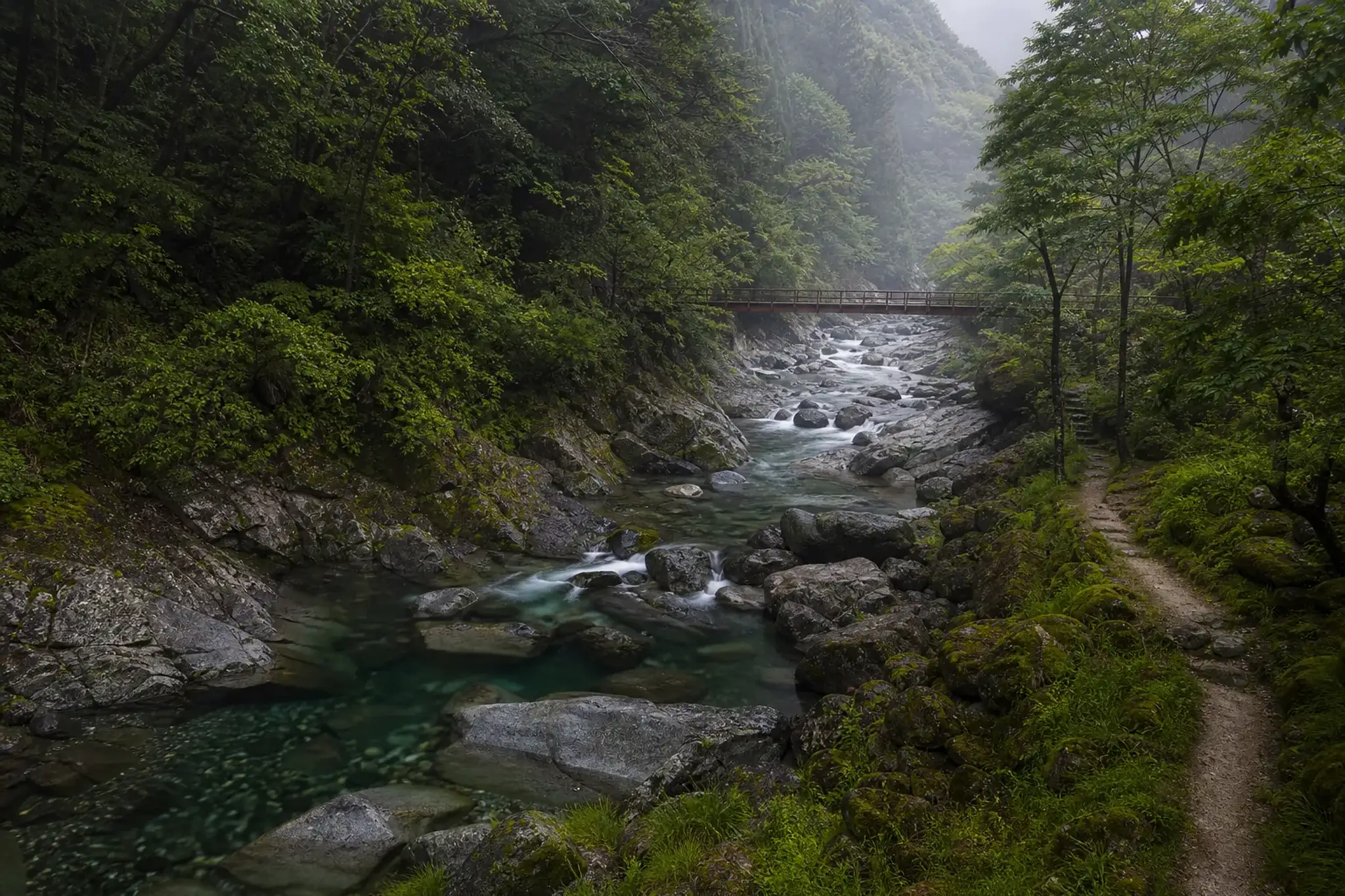
Choose regions with real access, real seasons, and a calm base.
“Japanese Alps” can mean different things in conversation.
For canyoning, we steer guests toward areas with established operations, known access points, and a track record of guiding—because that’s where the day feels controlled without feeling controlled by you.
Names matter here.
Below are real places that appear in official tourism coverage and operator information, so you can plan with facts instead of vague promises.
Hakuba, Nagano (Green Season Canyoning)
Hakuba is famous for winter, then quietly flips personality.
In the green season, it becomes a base for outdoor programs, including canyoning. Japan’s official tourism coverage lists Hakuba as a canyoning destination, and Evergreen Outdoor Center in Hakuba has operated since 2000 with green-season programs stated as mid-April to early November.
This matters for planning.
It gives you a realistic operating window, plus a known base with transport logic from Tokyo (via Nagano) that doesn’t require guesswork.
Minakami, Gunma (Canyoning With A Polished “Weekend Escape” Logic)
Minakami is a smart choice when time is tight.
JNTO’s luxury-focused content highlights canyoning in Minakami and even names an optional private glamping overnight at Riverside Oasis Camp. That’s useful because it shows a tested pairing: gorge time, then an outdoor night with comfort.
It’s close enough to feel efficient.
And far enough to feel like a reset. For HNW travelers who guard their calendar, that balance is often the deciding factor.
Shiga Kogen, Nagano (Defined Seasonal Operations)
Some guests want certainty on dates.
Shiga Kogen has a published canyoning/shower climbing listing with a defined 2026 operating period: May 30, 2026 to September 27, 2026, via the Shin’etsu-Shizenkyo Activity Center site.
Those dates are not a vibe. They’re a boundary.
Boundaries help you plan flights, hotels, and recovery days without the usual “maybe it runs” ambiguity that can haunt outdoor travel.
Nagawa, Nagano (Listed One-Day Tour In Matsumoto Area)
Matsumoto is a useful pivot city.
Matsumoto City’s official tourism site lists a “Nagawa Canyoning 1-Day Tour.” That gives you an anchor that is both verifiable and practical if you’re stitching together the Japan Alps with culture—Matsumoto Castle, galleries, quiet cafés—without turning the trip into a long drive marathon.
Simple. Real.
And easier to fit into a broader itinerary that includes artisans, gardens, and restorative nights.
The “Private” Difference: What Changes When The Day Is Designed Around You
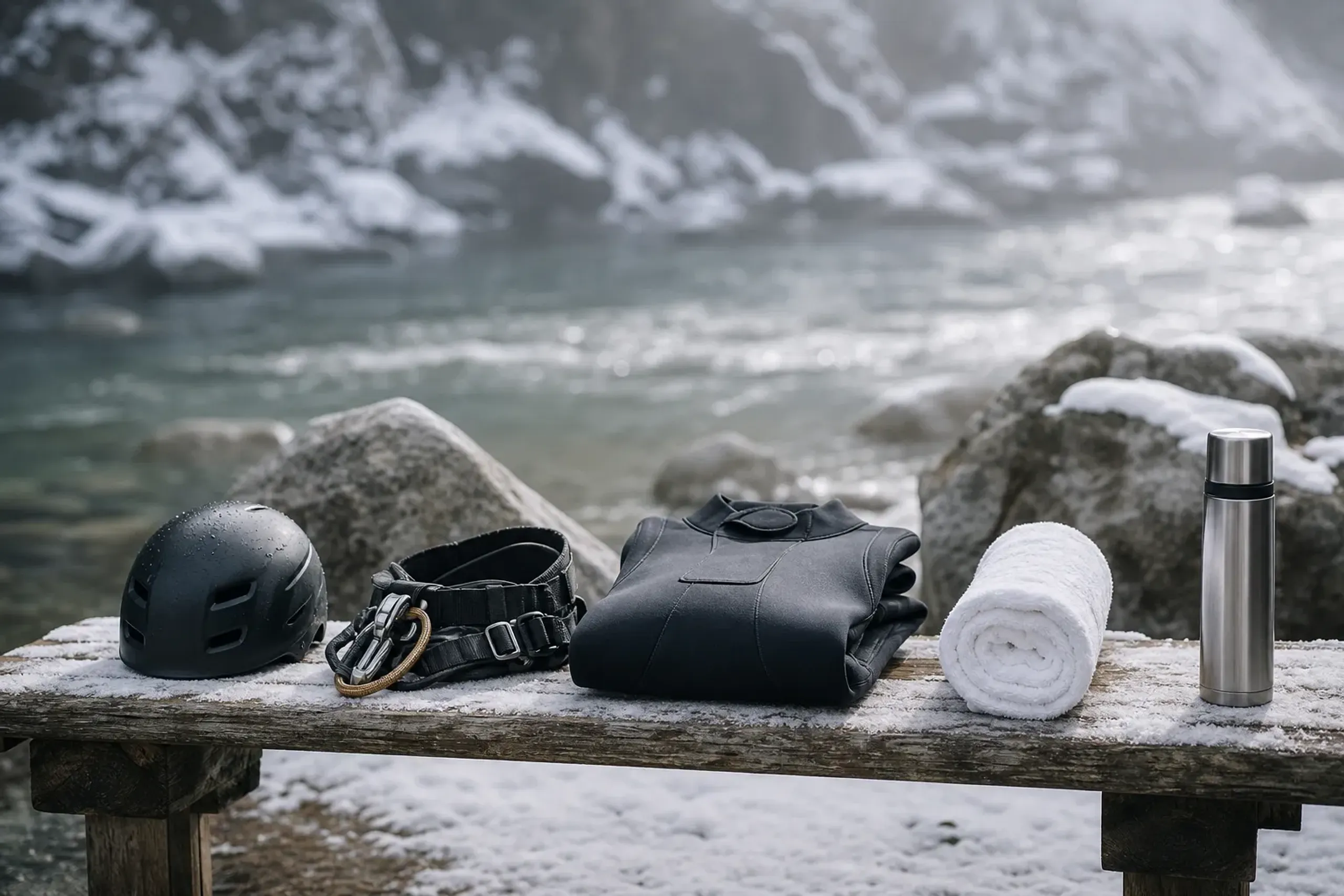
Precision feels quiet when it’s prepared in advance.
Private does not mean louder service.
It means fewer frictions, better pacing, and a guide whose attention is not split across six competing risk profiles. That is why private canyoning can feel oddly quiet, even when water is roaring beside you.
Small details decide the tone.
In our experience, these are the differences that matter most to HNW travelers who are used to comfort, but tired of being processed.
A Rhythm That Matches Your Body
Some guests want athletic intensity.
Others want presence with a pulse—enough challenge to trigger flow, not so much that the day becomes a test. A private structure makes it easier to keep that middle line.
No one is rushing you.
You can pause on a slab of sun-warmed rock, let your breathing settle, then move again when you feel ready rather than when the schedule demands it.
Fewer Eyes, Less Noise, Better Photos (If You Even Want Them)
Privacy is a form of safety too.
When you’re not surrounded by strangers, you don’t have to perform competence. You also avoid the common problem of group tours: other people’s cameras turning your personal moment into their content.
Some guests take no photos at all.
That is a choice. Our concierge team sees more travelers quietly craving that—especially professionals who spend their year being visible.
Comfort Returns The Moment You Step Out Of The Gorge
This is the contrast that sells the day.
Raw wilderness during the descent. Warmth and calm right after. Dry layers, a towel, a hot drink, a clean seat, and a short, quiet ride back to your base can change how your body stores the memory.
That finish is not an afterthought.
It’s the part that lets the nervous system stay open rather than snapping back into “manage mode.”
Season, Water, And Timing: When Private Canyoning Works Best In Japan
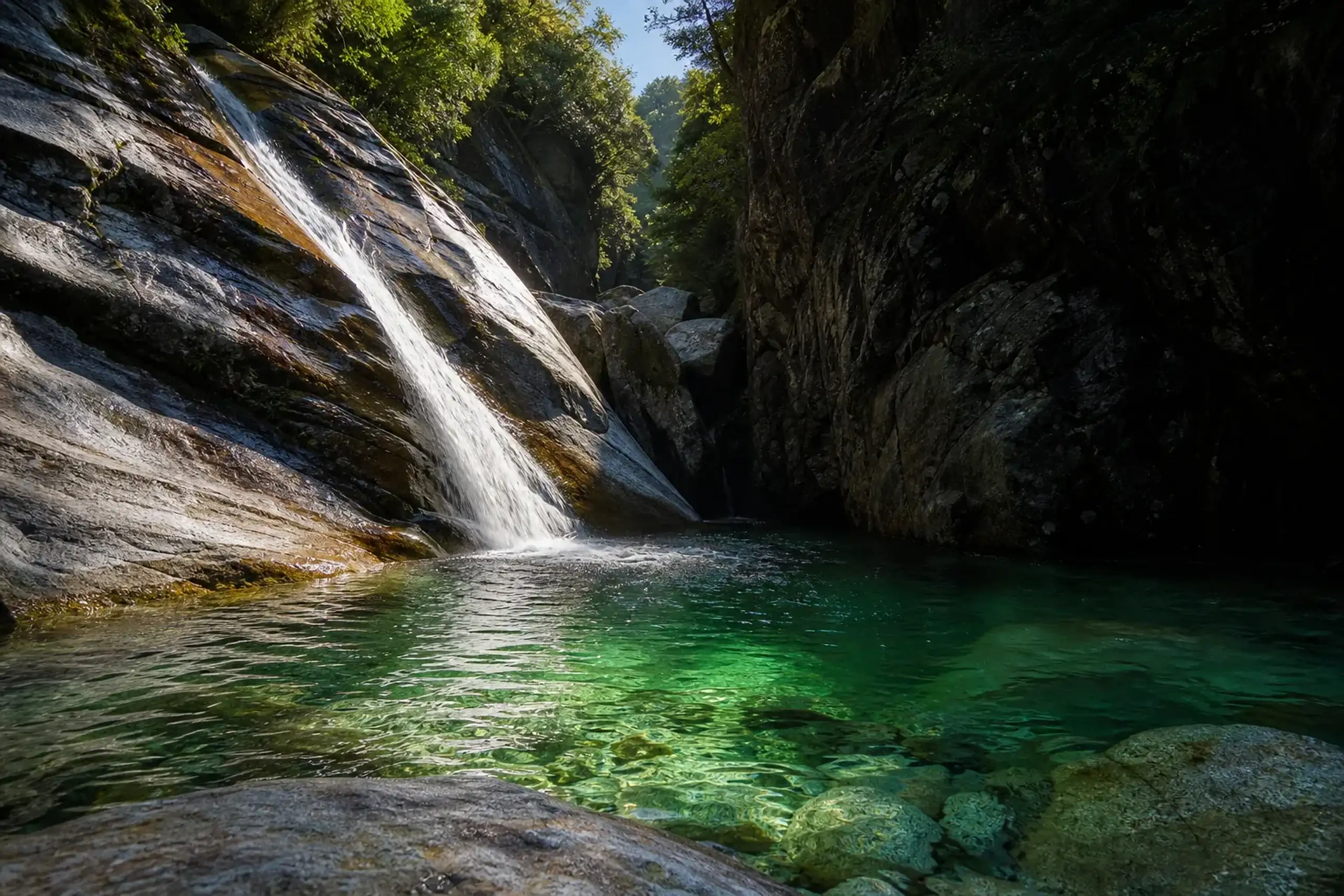
Japan rewards timing.
Canyoning is no exception. Your best day depends on snowmelt, rainfall patterns, and temperature swings—especially in alpine areas where water can stay bracing even in summer.
Plan for the river, not the calendar.
That said, many canyoning programs in Japan run in the warmer months, and some publish clear operating windows—like Shiga Kogen’s May-to-September 2026 dates—so you can plan with confidence.
Summer Snowmelt: A Sharper, Cleaner Kind Of Cold
Cold water changes attention instantly.
For some guests, that’s the point: a controlled confrontation with sensation. It pushes you into the present without needing a meditation app, and it pairs naturally with a restorative onsen evening afterward.
But comfort still matters.
We always suggest building in recovery time—an unhurried dinner, early sleep, a later start the next morning—so the day lands as pleasure, not punishment.
Shoulder Days: The Crowd-Avoidance Luxury Most People Miss
Overcrowding is not abstract anymore.
Japan’s national tourism policy has an active overtourism prevention focus (Japan Tourism Agency/MLIT page updated April 24, 2026), and mountain areas can feel the pressure quickly when conditions are good.
Your advantage is flexibility.
Private planning allows for early starts, midweek scheduling, and route choices that reduce contact with peak-day congestion, while still respecting local rules and safety calls.
Fitness And Risk: Who Private Canyoning Is (And Isn’t) For
Luxury travel should be honest.
Canyoning asks something from you. Not necessarily elite fitness, but comfort with uneven footing, short bursts of effort, and water that can be cold enough to make your breath catch.
It’s not a spa treatment.
It can, however, become a kind of moving meditation for the right person—especially when the day is calibrated rather than mass-produced.
Key fact: Conditions decide the day. Water level and weather can trigger last-minute route changes or cancellations, and a high-end plan treats that as normal—not as failure.
Good Candidates
You don’t need to be an athlete.
You do need steady balance, a willingness to get wet, and enough calm to follow instructions precisely. If you can hike a couple of hours with breaks and remain coordinated when tired, you are likely in the right zone.
Curiosity helps.
The guests who love canyoning most are not always the adrenaline crowd. Often, they’re the ones who appreciate focus: surgeons, founders, artists, people who live in their head and want a clean interruption.
When To Choose Another Day Instead
Some days are better on dry ground.
If you have a strong fear of heights, recent injuries affecting knees or shoulders, or discomfort in moving water, it may be wiser to choose a different alpine experience—like a ropeway viewpoint and a long forest walk—then return to canyoning another year.
No shame in that.
Discretion also means not pushing you into a story you don’t want to inhabit.
Pairing The Descent With Quiet-Luxury Japan: Wabi-Sabi Recovery And Hidden Routes
Canyoning is only half the design.
The other half is what you do around it: the night before, the hour after, the next morning when your hands feel slightly scratched and strangely satisfied.
This is where wabi-sabi belongs.
Not as a slogan. As a choice for restraint—stone, mist, plain wood, the soft relief of not being sold to.
Onsen Recovery Without The “Resort” Feeling
Onsen is a natural pairing.
Cold water immersion followed by hot mineral water can be deeply restoring, as long as you pace it gently and respect how your body reacts. Keep the evening simple: soak, eat, sleep.
Minimal is the luxury.
It lets the day settle into you. No forced nightlife. No “must-see” sprint.
Hidden Japan Is Often One Turn Off The Main Road
Most travelers stay on the Golden Route.
Our team at Japan Royal Service is often asked for the opposite: small towns, quiet meals, places that do not beg for attention. The Japanese Alps are full of those moments if you route with care.
Here is the trick.
Don’t treat canyoning as a standalone “activity day.” Use it as a hinge that swings you from city polish into rural hush, then back again without friction.
Shokunin Encounters That Match The Mood
After a day in the river, many guests crave craft.
Not shopping. Craft. The quiet intensity of a shokunin at work—wood, metal, ceramics—mirrors the same attention you practiced in the gorge.
It’s an emotional rhyme.
And it’s how an outdoor day becomes part of a deeper Japan journey instead of a one-off thrill.
Kamikochi And Chubu Sangaku National Park: Access Rules You Need To Know
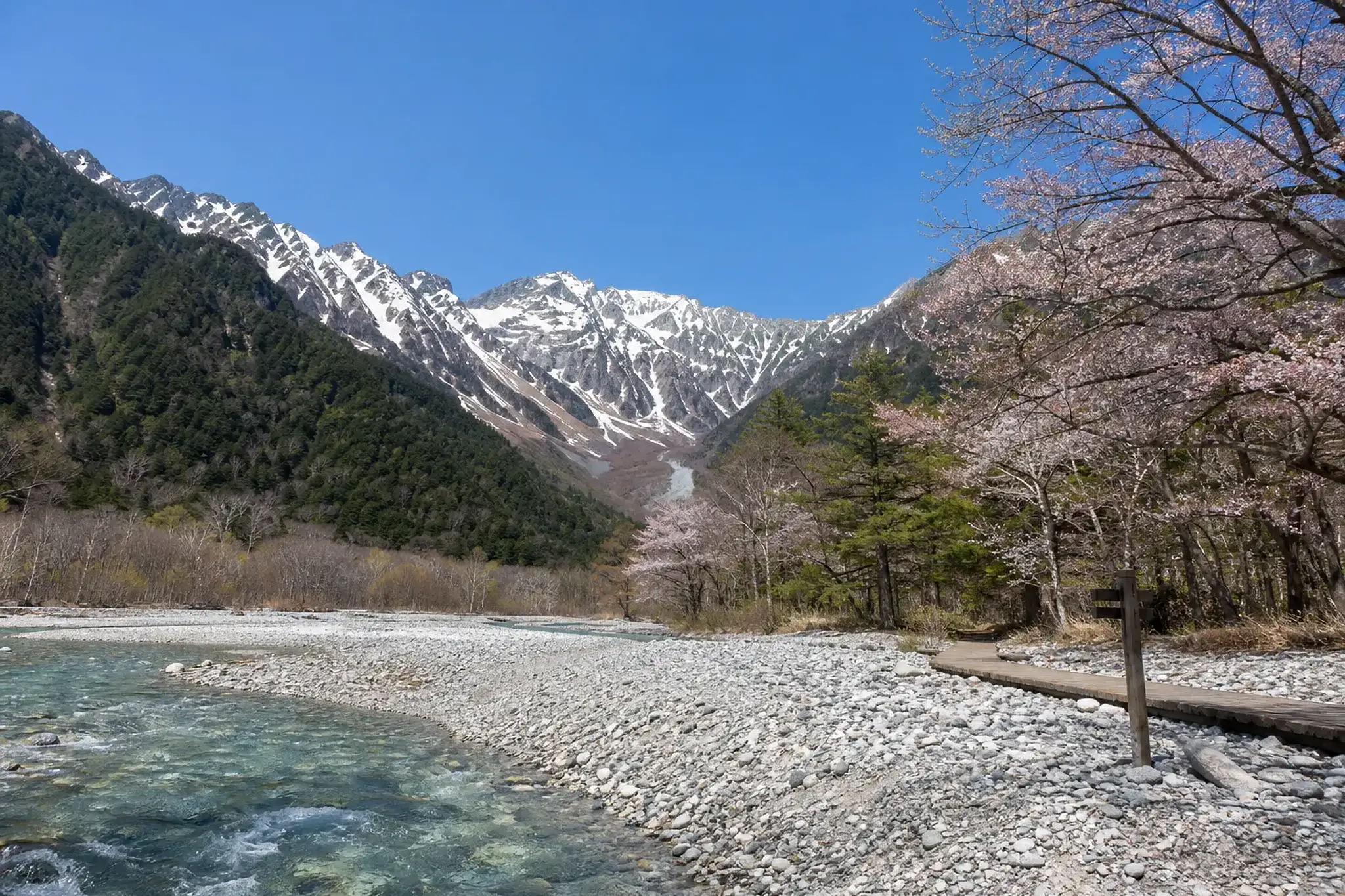
Some of Japan’s most serene places stay serene because access is controlled.
Kamikochi is one of the Alps’ most famous valleys.
It also has rules that shape logistics in a very concrete way. Private cars and motorcycles are not allowed to enter Kamikochi; visitors must use parking areas such as Sawando or Hirayu and continue by bus or taxi, per Kamikochi’s official access guidance.
That restriction can feel limiting.
For a well-designed trip, it becomes part of the calm: fewer cars, fewer chaotic arrivals, a clearer sense that you are entering a protected landscape rather than a theme park.
Official Opening And Closing Schedules Exist (Use Them)
Mountain seasons are not negotiable.
Kamikochi publishes official opening schedules for accommodations and facilities as a downloadable PDF, and it also publishes facility closing plans as official documents. Those dates matter when you’re building a high-comfort itinerary that depends on what is actually operating.
Don’t guess.
If Kamikochi is part of your Alps routing, we recommend checking the official PDFs for your exact travel period and building flexibility around weather.
A Scenic Counterpoint: Shinhotaka Ropeway
Not every alpine day needs ropes and water.
Shinhotaka Ropeway is promoted by Japan’s official National Parks site as an attraction in the Chubu Sangaku National Park area, and it publishes official English visitor information via its own site and an English guide PDF.
It’s a strong companion day.
Especially for mixed groups: one person wants canyoning, another wants high views, steady footing, and a slower rhythm. You can satisfy both without splitting the trip into two separate vacations.
How To Book Private Canyoning In Japan (What’s Official, And What To Ask)
Good planning starts with the official operator channel.
Canyoning tours are typically booked directly with the operator running the program in that region, using their published booking process and seasonal availability. That is where you’ll see the current operating dates, meeting points, and minimum requirements.
Ask sharp questions.
Not because you doubt them. Because it’s how you protect your time and your body.
Questions Worth Asking Before You Commit
Keep it practical.
Ask about the operating season for your exact dates (for example, Shiga Kogen publishes May 30 to September 27 for 2026), language support for safety briefings, how they assess conditions after rain, and what happens if the route changes on the day.
Also ask about pacing.
Private is not only about exclusivity. It’s about whether the day can be tuned—longer breaks, fewer jumps, more technical sections, or a calmer line depending on your comfort.
What To Pack (And What Not To Overthink)
Overpacking is common.
Most canyoning programs provide technical gear appropriate to the route and conditions, while you typically bring basics like a swimsuit, a towel, and dry clothes for after. Exact requirements vary by operator and region.
Bring less. Bring right.
A simple dry bag setup, a warm layer for after, and footwear guidance from the operator usually beats any fancy “adventure wardrobe” shopping spree.
For Questions, Contact Our Concierge
If you want canyoning to feel like part of a larger, quiet-luxury Japan design, we can help you think through routing, timing, and recovery days—especially when your itinerary also includes cities, dining, and cultural depth.
Ask us early.
The best trips are not built by forcing everything into one week. They’re built by choosing what deserves space.
Private Transportation In Mountain Japan: The Hidden Luxury Is Not Having To Think
The Alps are not hard to reach.
They are easy to mis-time. Trains, local buses, seasonal access rules, and weather can create small stresses that accumulate—until the “adventure day” feels like another project to manage.
This is where comfort becomes functional.
For guests who prefer a quiet, controlled rhythm between regions, our private transportation planning focuses on clean handoffs, realistic driving times, and privacy in motion, whether you’re traveling as a couple or with family.
A Note On Discretion In Transit
Discretion is not only about names.
It’s about avoiding avoidable exposure: busy lobbies at peak hours, loud meeting points, crowded transfer nodes where your day gets pulled into other people’s noise.
Small choices matter.
In our experience, the calmest itineraries are built around quiet arrivals and unhurried departures—even when the destination is famous.
Designing A Tailor-Made Japanese Alps Itinerary Around Flow (Not A Checklist)
Most itineraries stack highlights.
That works—until it doesn’t. The Alps ask for a different structure: fewer bases, more recovery, and at least one day with nothing scheduled except weather, water, and appetite.
Flow needs margins.
When our team at Japan Royal Service crafts a tailor-made itinerary, we look for the quiet seams: where to place the canyoning day so it feels like release, and where to place cultural depth so it feels earned rather than consumed.
A Sample “Flow” Arc (Without Over-Scheduling You)
Think in arcs, not boxes.
One calm city night to land. One travel day into the mountains with a gentle dinner. One canyoning day with an early finish. One recovery day—onsen, a short walk, a long breakfast—then a return to culture with sharper senses.
That’s it.
When you build it this way, the canyon becomes a turning point, not a hard-to-fit activity.
FAQ: Private Canyoning In Japan For Luxury Travelers
Is canyoning in Japan only for experts?
No.
Many programs are designed for beginners, while still offering technical options for experienced guests. What matters is matching route difficulty to fitness, comfort in water, and conditions on the day.
What is the best season for canyoning in the Japanese Alps?
Most canyoning runs in the warmer months.
Some locations publish clear seasonal windows; for example, Shiga Kogen lists May 30, 2026 to September 27, 2026. Hakuba operators also publish green-season periods (Evergreen Outdoor Center states mid-April to early November).
Can we combine canyoning with Kamikochi?
Yes, with realistic logistics.
Private cars and motorcycles are not allowed into Kamikochi, so you’ll route via parking gateways like Sawando or Hirayu, then continue by bus or taxi. Check Kamikochi’s official opening/closing PDFs for the specific dates you plan to travel.
Does “private” mean we avoid crowds completely?
Not completely.
Outdoor areas can still be popular on ideal-weather weekends. Private planning helps you reduce crowd exposure through timing, midweek choices, and pacing—but it should never override safety or local rules.
Is private canyoning appropriate for families?
Sometimes.
It depends on ages, water comfort, and the operator’s safety requirements for the specific route. If you’re traveling with children or multi-generational groups, ask early so expectations and options stay realistic.
Why Choose Japan Royal Service
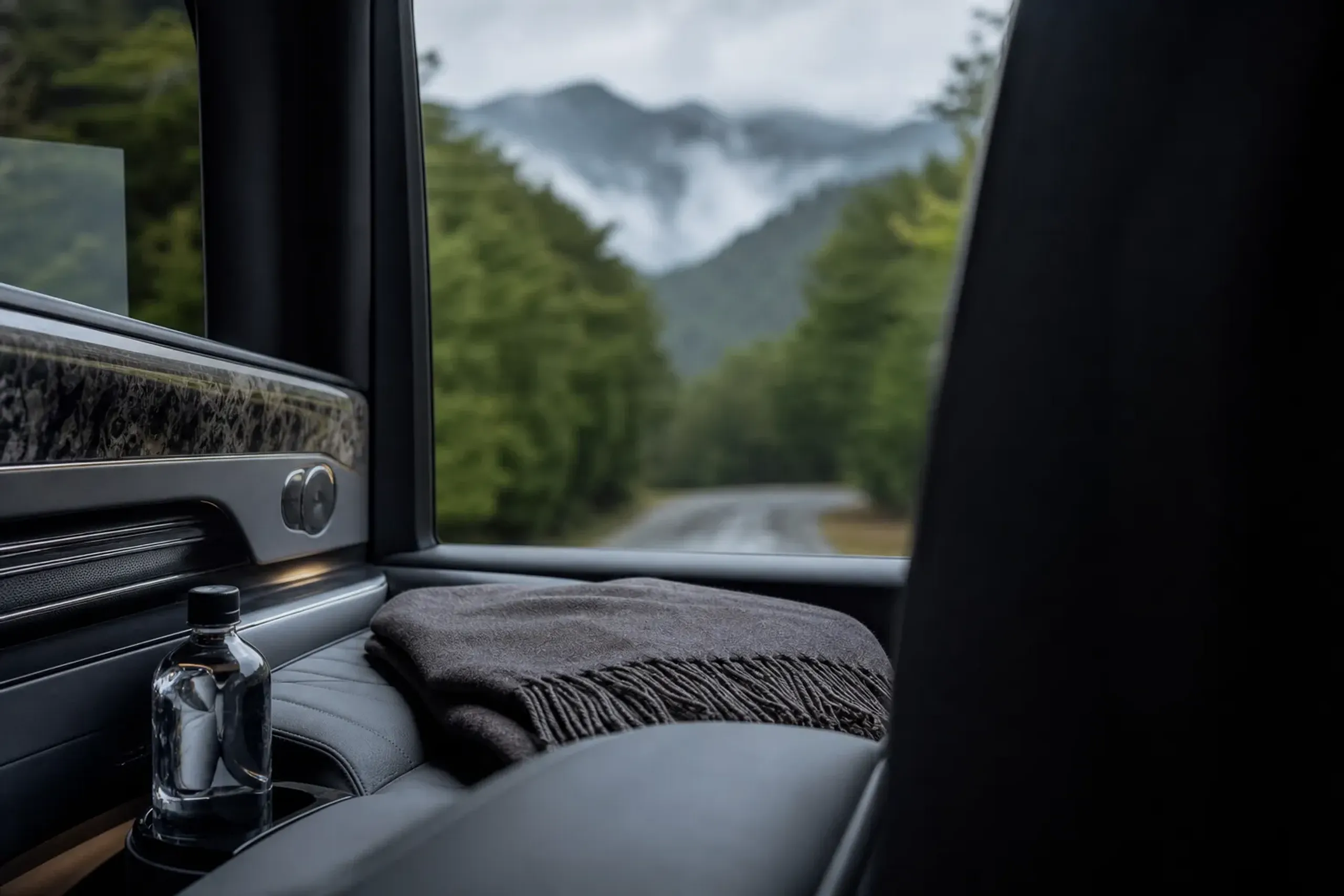
Discretion is often felt most clearly in the spaces between destinations.
Luxury travelers choose Japan Royal Service because we treat privacy as a non-negotiable, and we build journeys that feel quiet on purpose.
We are drawn to hidden-Japan routing, wabi-sabi restraint, and the kind of imperial-class formality that shows up as correct etiquette, correct timing, and the right level of distance when you want to disappear for a while.
We also respect craft.
When a trip includes a shokunin encounter or a discreet alpine day like canyoning, our job is to keep the shape of the experience intact—clean logistics, calm pacing, and a sense that nothing is being forced for content.
If you’d like to explore private canyoning in the Japanese Alps as part of a wider, discreet Japan journey, reach our team privately via WhatsApp or LINE, or contact us here.