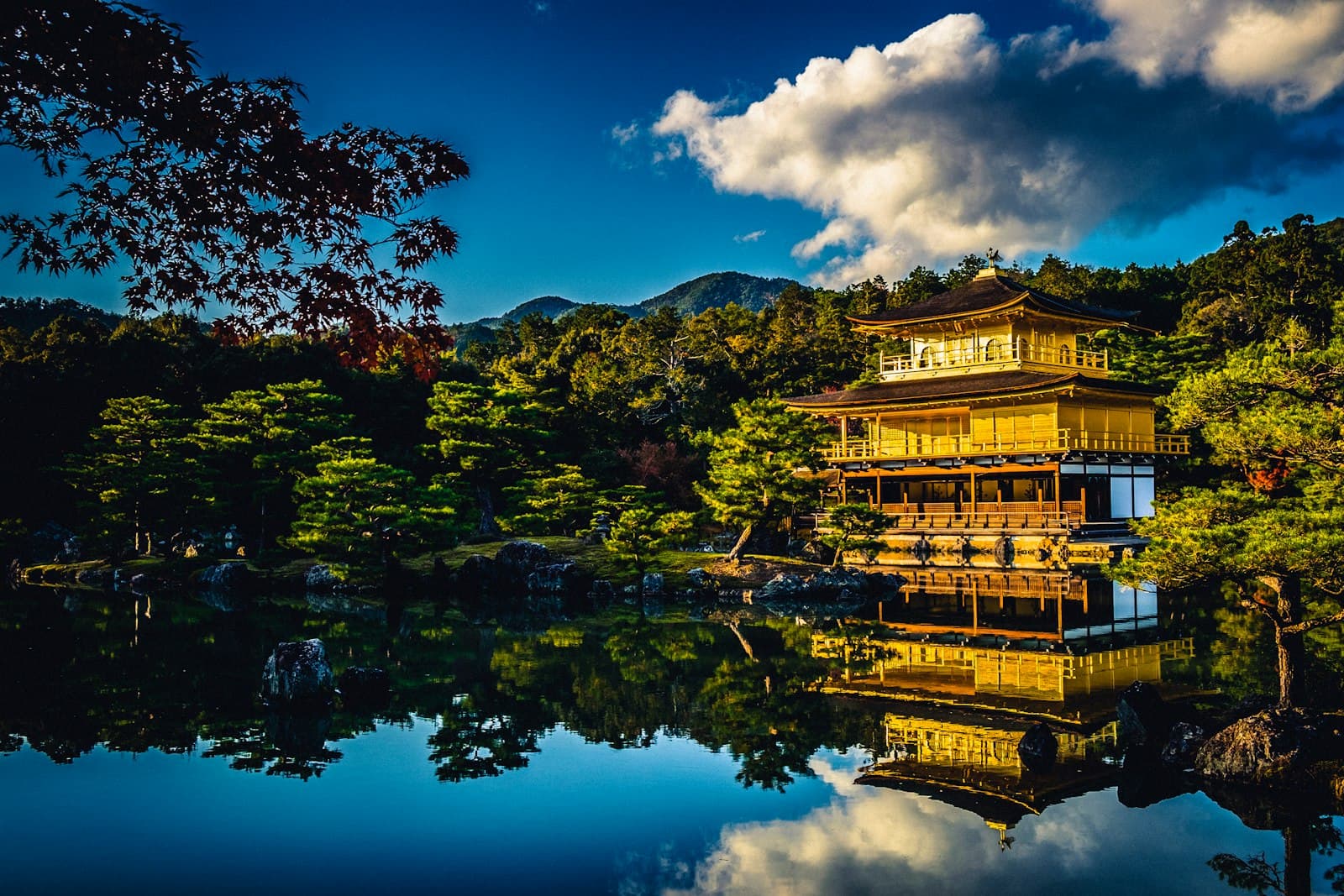
Steam lifts off a cedar tub at dusk. The water is the temperature of a warm hand, the bath older than the family that keeps it, and the only sound is a stream three steps beyond the paper screen. No lobby music. No queue. This is where our story begins — not with a checklist, but with a mood.
Most eight-day luxury routes through Japan run on rails you already know: Tokyo, then Hakone, then Kyoto, with a bullet train and a couple of famous ryokan names dropped in for reassurance. Those trips work. They also feel like everyone else's trip. At Japan Royal Service, we design for a quieter register — beauty in the weathered, the repaired, the deliberately restrained.
The tension in this itinerary is simple. You want the Japan that isn't obvious. You do not want to feel stranded three hours from anywhere with a flashlight. Both are possible. The trick is timing and micro-geography — knowing which famous place is calm at 4pm, which small town sits two hours from a bullet-train stop, and which craftsman keeps a wheel spinning behind an unmarked door.
Here is how eight days can breathe.
What Quiet Luxury Actually Means Here
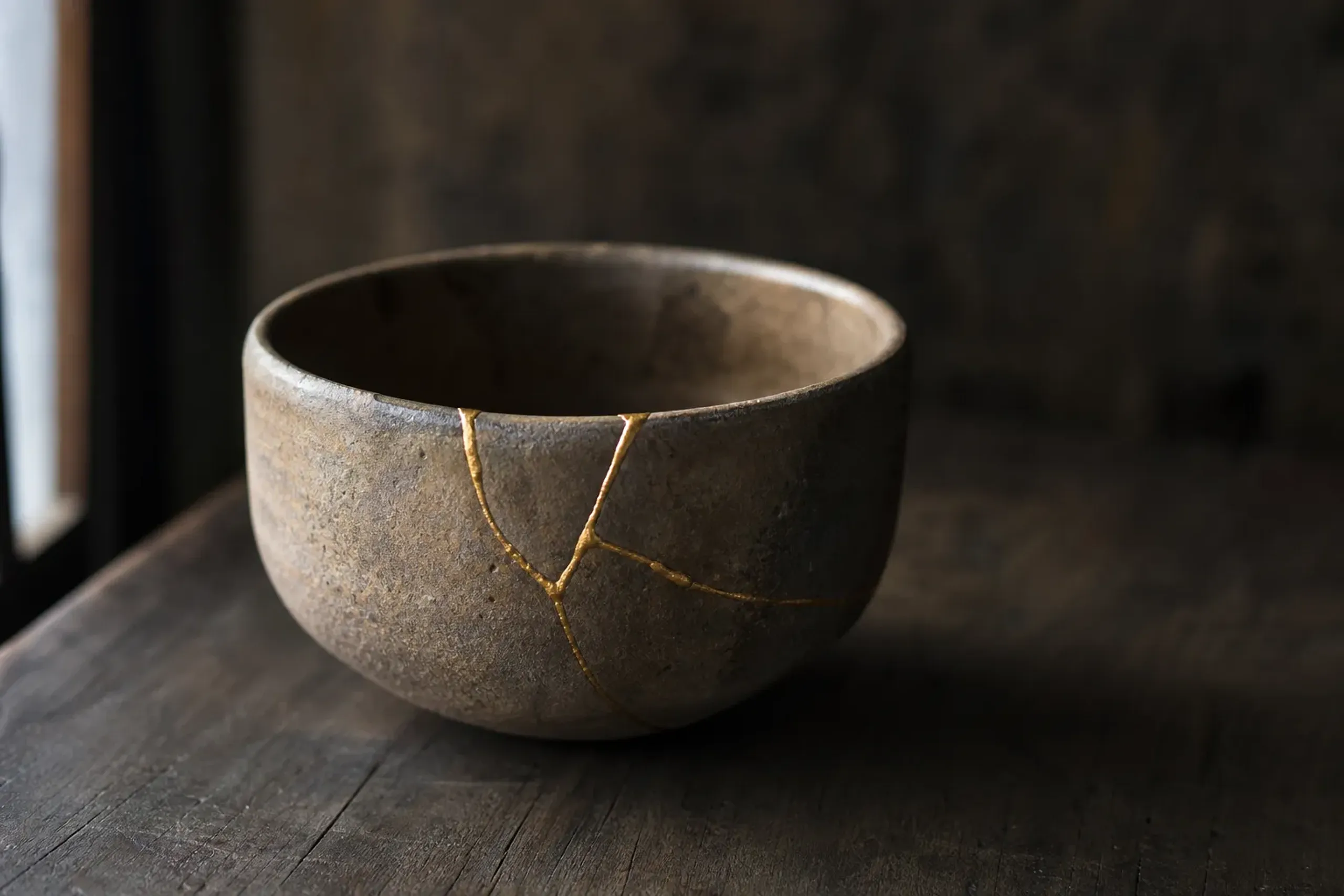
Wabi-sabi gets reduced to a mood board — grey walls, one branch in a vase. That is decoration, not the thing itself. The real idea is older and harder to sell: an appreciation of impermanence, patina, and repair. A tea bowl mended with gold. A garden that looks better slightly overgrown. A room that leaves you space to think.
We treat it as a design principle, not a color palette. That means fewer transfers and longer stays. It means booking a famous site at the one hour it empties out rather than skipping it in fear of the crowd. It means a dinner counter that seats eight, not eighty.
It also means data. Kyoto now publishes an official Travel Congestion Forecast — a live map that shows which districts will be packed and which will be quiet, updated through the season. We build routes around that map. Quiet luxury, in practice, is often just intelligent scheduling dressed in linen.
The rule we live by: visit iconic places at off-peak windows, and fill the rest of the day with lesser-known neighborhoods that are still a short rail hop away. Never remote. Just quiet.
Days 1–2: Tokyo, But the Slow Version
Day One: Arrival And Recovery
Land at Haneda if the schedule allows — it sits closer to central Tokyo than Narita, which shortens the first, most fragile transfer of any trip. Our private chauffeur service meets guests inside the terminal, handles luggage, and moves without the friction of taxi lines or rail transfers on day one, when everyone is tired and nobody wants to think.
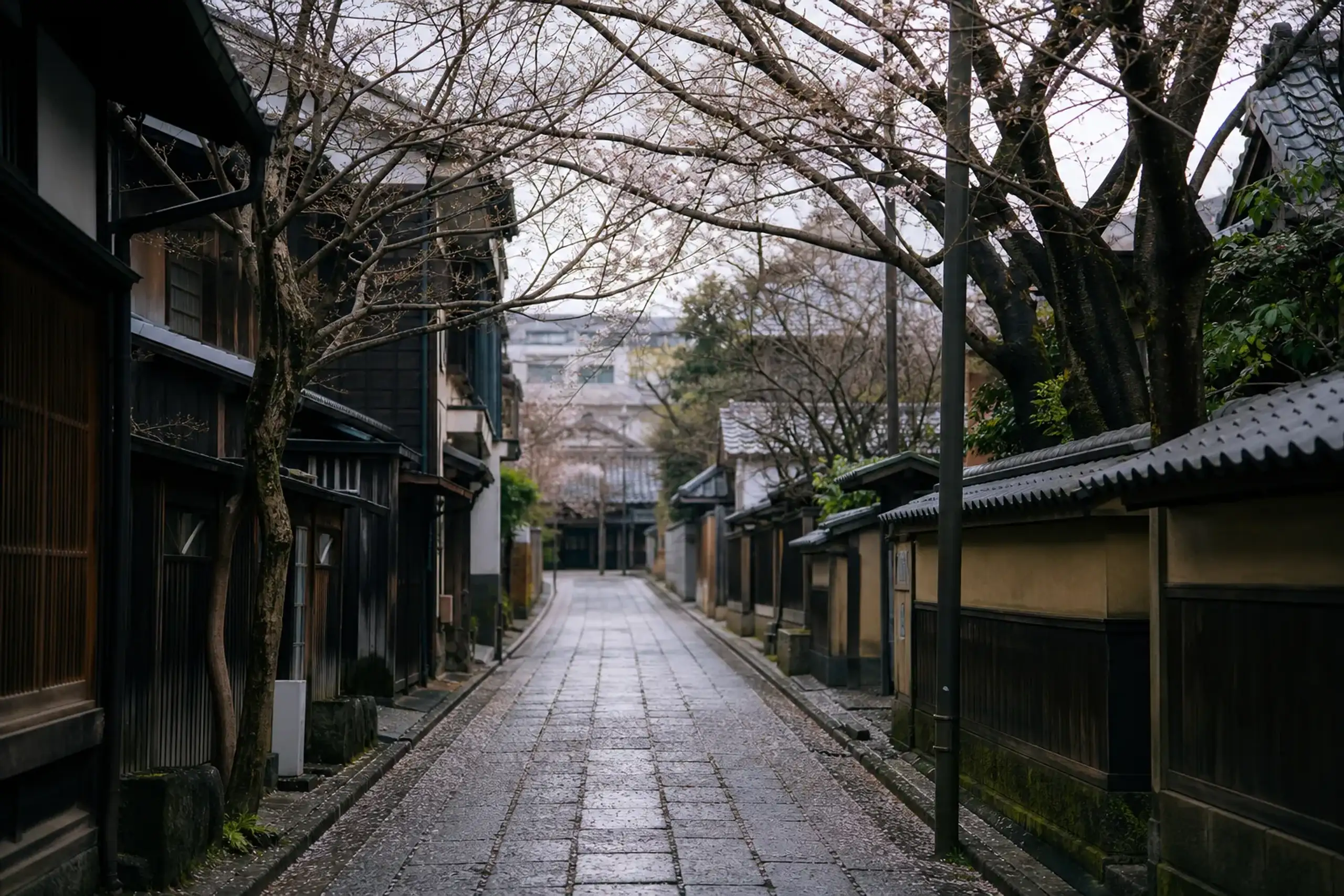
Base yourself in central Tokyo. Rest. A short evening walk through a residential pocket like Kagurazaka — old stone lanes, a hidden shrine, small counters glowing behind cloth curtains — resets the nervous system better than any grand dinner.
Day Two: Craft Before Crowds
Tokyo hides its calm in its craft districts. Yanaka, in the old shitamachi, survived the war and the bubble largely intact — wooden houses, a long cemetery avenue lined with cherry trees, artisan shops that have not changed hands in generations. It is a fifteen-minute drive from the center and rarely crowded before noon.
For those drawn to the contemporary, teamLab's digital museums remain extraordinary — over 4.2 million people visited the Tokyo venues in 2025, with teamLab Planets alone drawing 2.51 million. Numbers like that tell you exactly why timing matters. We steer guests toward first or last entry windows, when the mirrored rooms feel closer to meditation than a queue.
The evening belongs to the shokunin. A sushi counter seating eight, where the itamae has stood in the same spot for decades and the fish is chosen that morning, is the kind of room that anticipates what you want before you ask. That silent, watchful care is the hospitality our guests remember longest.
Days 3–4: A Rail-Simple Detour to Kanazawa
Day Three: The Anti-Golden Route Move
Here is where we break from the herd. Instead of running straight down to Hakone, we swing north to Kanazawa. The Hokuriku Shinkansen makes it painless — roughly two and a half hours from Tokyo, station to station, luggage forwarded ahead so you travel light.
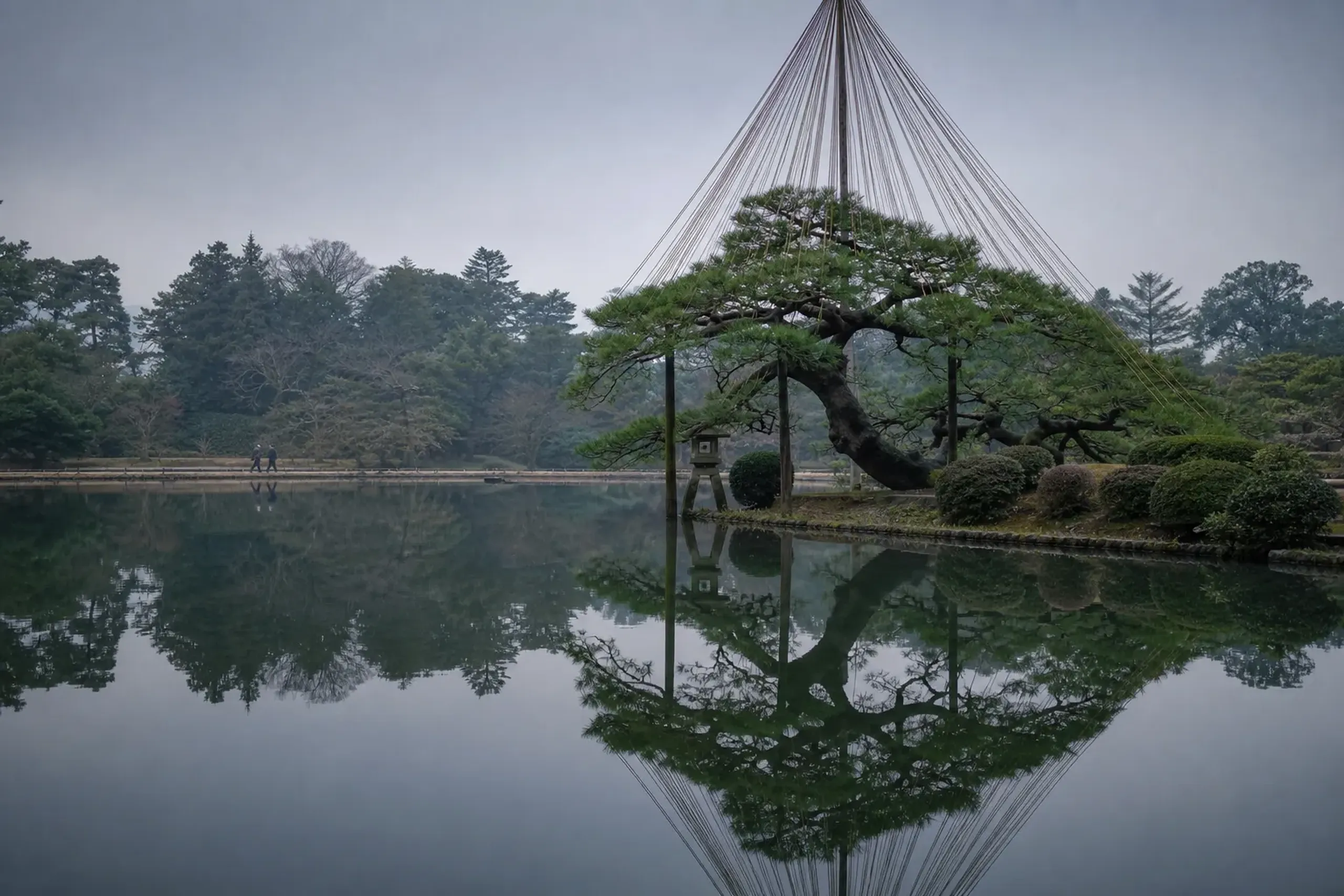
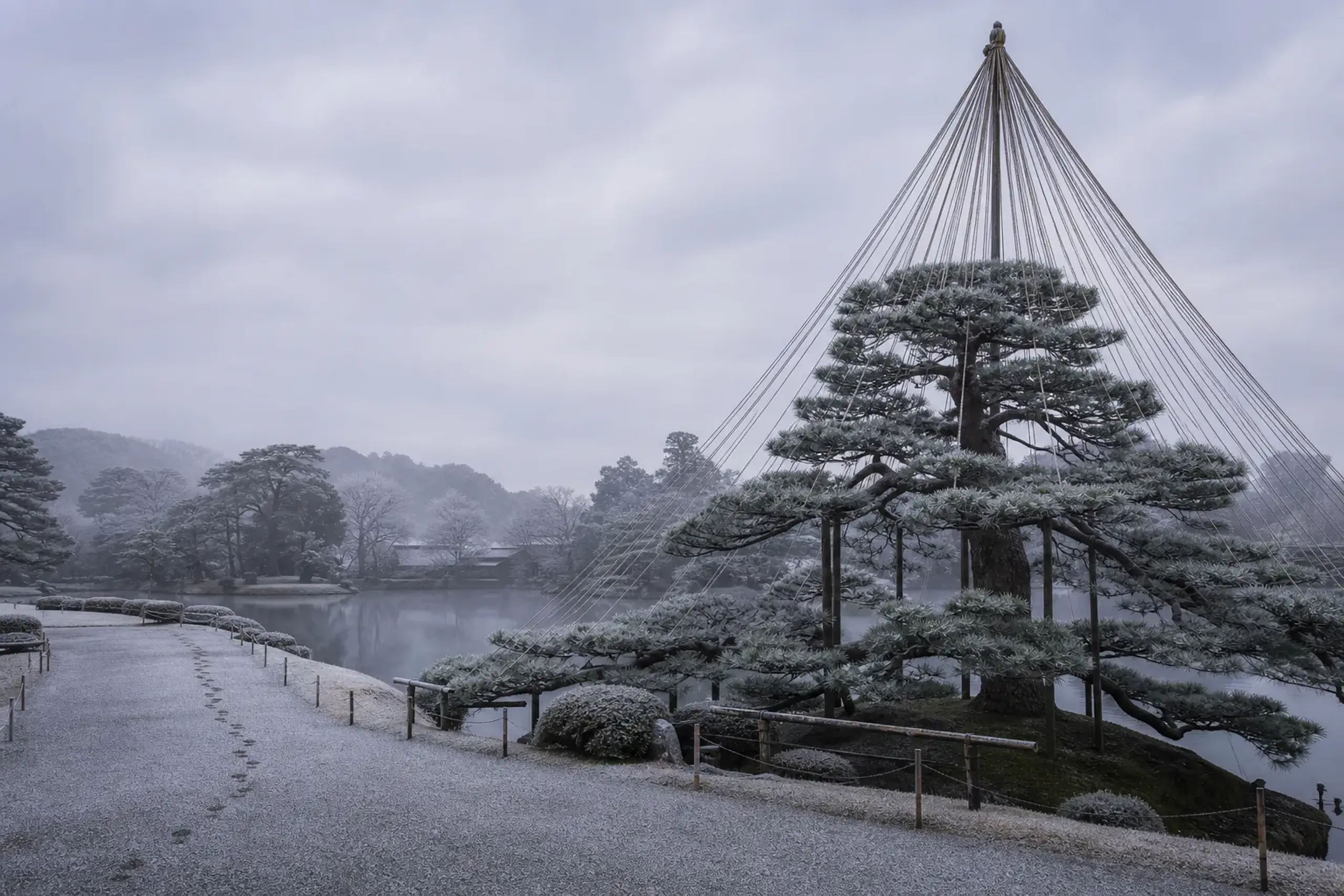
Kanazawa escaped wartime bombing. Its samurai and geisha quarters stand almost whole. Kenroku-en, one of Japan's three great landscape gardens, feels like a different country from Kyoto's temple queues — broad, unhurried, its pines held up on winter ropes like something between engineering and prayer.
This city built its wealth on craft, and it shows. Kanazawa produces most of Japan's gold leaf. The Nagamachi district, where samurai families once lived, keeps its earthen walls and narrow water channels. You can walk it in an afternoon and pass fewer people than you would in a single Kyoto lane.
Day Four: The Hands That Make Things
Kanazawa is a place to slow down and watch things being made. The Kutani porcelain tradition, Ohi ware, lacquer, the beating of gold into leaf thinner than a breath — these are living crafts, not museum relics. A private atelier visit, arranged discreetly through our concierge, puts you across a workbench from a master rather than behind a rope.
This is wabi-sabi as a verb. Kintsugi — the art of mending broken ceramics with gold-dusted lacquer — treats a crack as history worth honoring, not damage to hide. Watching it done by hand reframes how you see everything else on the trip.
Days 5–7: Kyoto, Timed Against the Crowd
Day Five: Arrival And the Quiet Districts
Kyoto is about two and a half hours from Kanazawa by limited express and Shinkansen. The city can overwhelm — April 2026 alone saw an estimated 3.69 million international arrivals to Japan, and Kyoto absorbs a heavy share. This is precisely why we plan around the official congestion forecast rather than hope for luck.
The 2026 arrivals to the city have plenty of fresh anchors, too. Imperial Hotel, Kyoto opened in Gion on March 5, 2026, and Capella Kyoto debuted the same month as the brand's first Japan property. We treat these as gateways to quieter experiences nearby, never as the headline. Where discretion matters, our team can coordinate non-public arrivals and privacy requests directly with a property.
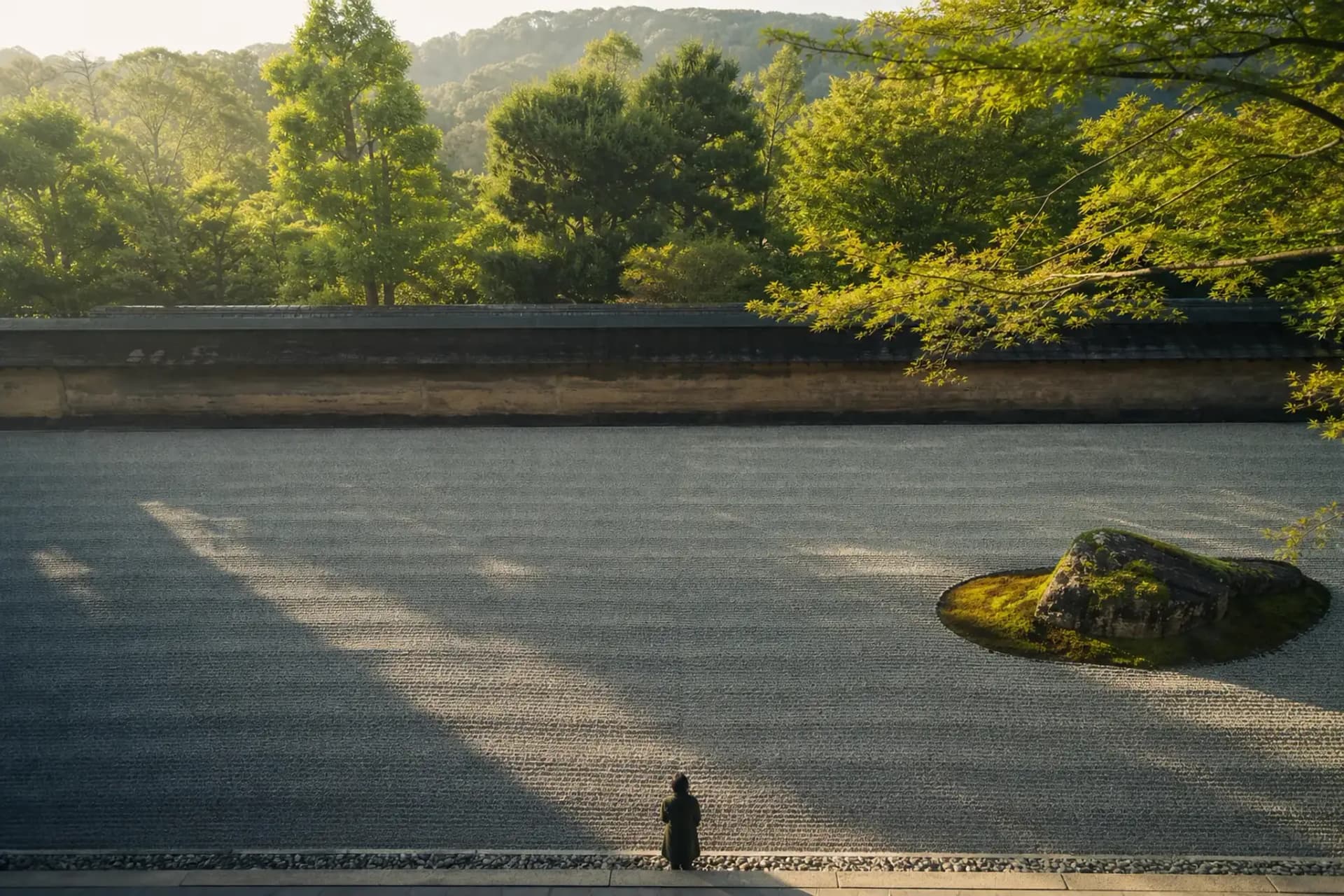
Spend the first afternoon in the north — the moss and gravel around the temples of the Higashiyama foothills, or the philosopher's stroll along the canal, walked in late afternoon when the tour groups have gone.
Day Six: Icons, Handled Well
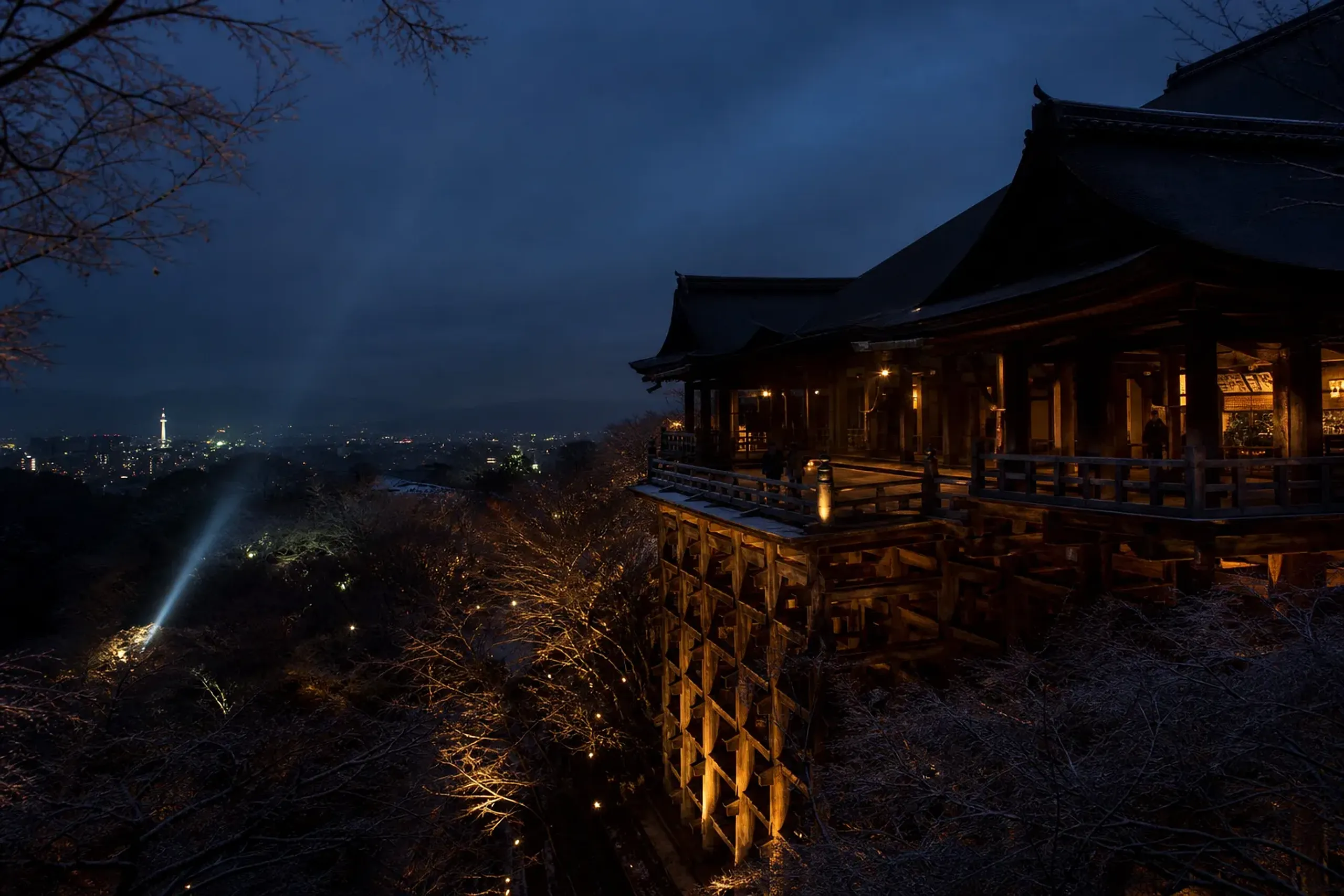
You can see the famous places. You just have to see them at the right hour. Kiyomizu-dera publishes an official Special Night Viewing schedule, and evening entry transforms a site that heaves by day into something lantern-lit and strangely calm. We build cultural "night programming" around these controlled windows.
If your dates fall in July, Kyoto's Gion Matsuri offers a lesson in witnessing chaos without joining it. The main Yamaboko Junko float processions run on July 17 and July 24, with Yoiyama evenings before each. Paid viewing seats for the 2026 processions went on sale June 1. A reserved seat means you watch centuries of ritual roll past — no elbowing, no standing three hours in the heat.
Kyoto's official summer program, Kyō no Natsu no Tabi, opens buildings normally closed to the public across July through September. Its 51st edition runs in 2026. These special openings are how you find the version of a famous city that most visitors never enter.
Day Seven: A Kaiseki Counter That Seats Eight
Save one evening for a meal that follows shun — the Japanese instinct for what tastes best in this exact week, this exact month. A small kaiseki counter, chef facing you, courses arriving in a rhythm no restaurant twice the size could manage. This is where seasonality stops being a marketing word and becomes something on the plate in front of you.
We keep these rooms small on purpose. Eight seats. A view of the chef's hands. The quiet is part of the meal.
Day 8: Hakone, or the Long Exhale Home
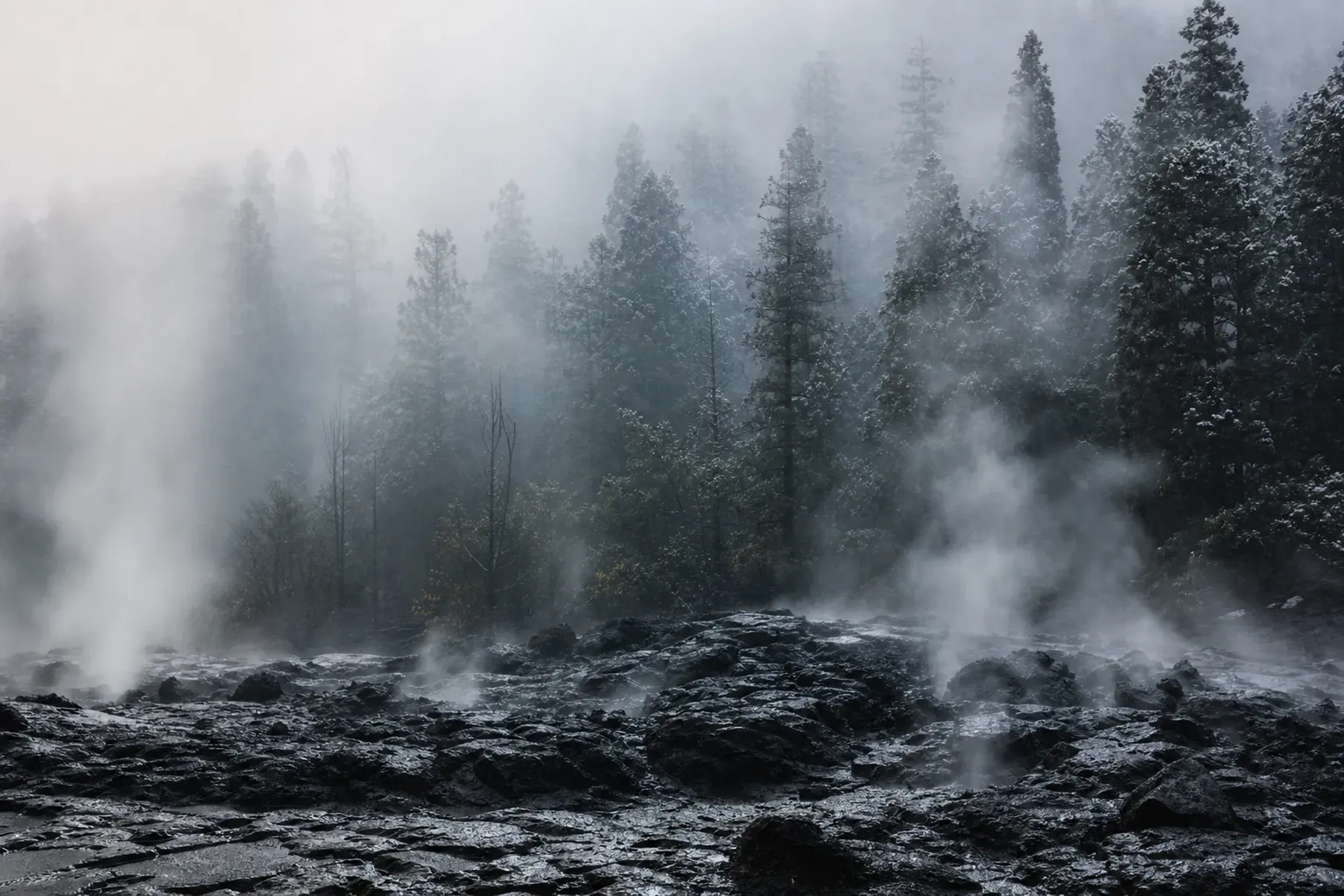
The final day can go two ways, depending on your flight. Return toward Tokyo and, if the calendar allows a night, break the journey in Hakone — mist off the water, black volcanic stone, cedar and steam. It is the landscape that wabi-sabi describes best.
Hakone's luxury inventory keeps growing: HOTEL THE MITSUI HAKONE is set to open December 15, 2026, extending the brand's "Embracing Japan's Beauty" concept from Kyoto into the mountains. For crowd-avoidant routing, a Hakone pause on the way back to Haneda or Narita turns a travel day into a decompression day.
If time is tight, a direct chauffeured transfer to the airport keeps the last hours calm — no rail changes with your luggage, no rush.
How to Pace and Time This Trip
The itinerary flexes by season. Only a fraction needs to change — the icons and craft stay constant; the timing shifts.
| Season | What Shifts |
|---|---|
| Spring | Cherry blossom windows; earliest possible garden hours to beat the crowd |
| Summer | Gion Matsuri paid seats (July 17 & 24); Kyoto special summer openings |
| Autumn | Kiyomizu-dera night viewing for foliage; Kanazawa gardens at their finest |
| Winter | Snow-quiet Kanazawa; Hakone steam and stillness; fewest visitors |
A few practical notes carry the whole thing. Forward your luggage between cities so you never haul bags onto a train. Keep transfers short and let a driver absorb the friction. And leave gaps in the schedule on purpose — an empty afternoon is not wasted time on this kind of trip. It is the point.
Common Questions
Is Eight Days Enough for a Trip Like This?
Yes, if you resist the urge to add a fifth city. Three bases — Tokyo, one detour, Kyoto, plus a Hakone night — leaves room to breathe. Density is the enemy of quiet luxury.
Will Avoiding the Golden Route Mean Long, Difficult Journeys?
No. Every stop here sits on a fast rail line. Tokyo to Kanazawa is about two and a half hours; Kanazawa to Kyoto is similar. This is the anti-Golden Route that still feels effortless.
Can I Still See the Famous Sites?
You can, and you should. We simply reach them through low-crowd formats — night viewings, reserved festival seats, first-entry timing, and Kyoto's official congestion forecast as a planning tool.
How Private Can This Be?
Very. Discretion is the value our guests prize above scenery. Our concierge can coordinate non-public arrivals, privacy requests, and quiet entrances with properties on your behalf.
Why Choose Japan Royal Service
Anyone can string together Tokyo, Kyoto, and a famous ryokan. What separates a genuinely quiet trip from a generic one is judgment — knowing the hour a temple empties, the town two hours from a bullet-train stop, the counter that seats eight and the master who keeps it.
Our team at Japan Royal Service builds each tailor-made itinerary around timing, restraint, and access rather than a fixed route everyone else already sells. We work in English, Japanese, Thai, and Filipino. We protect our guests' identity and plans with the same care we give our own. And we handle the logistics — chauffeurs, transfers, private atelier introductions — so the days feel unhurried rather than managed.
Picture your own eight days. The cedar bath at dusk. The plane sliding along raw wood in a craftsman's hands. The empty afternoon you did not fill with anything at all. That trip is buildable, and planning it is the natural next step.
To begin a private conversation, reach our team directly via WhatsApp or LINE, or contact us here.