
LINE ID japanroyalservice
+817013781777 click here
+817013781777 click here
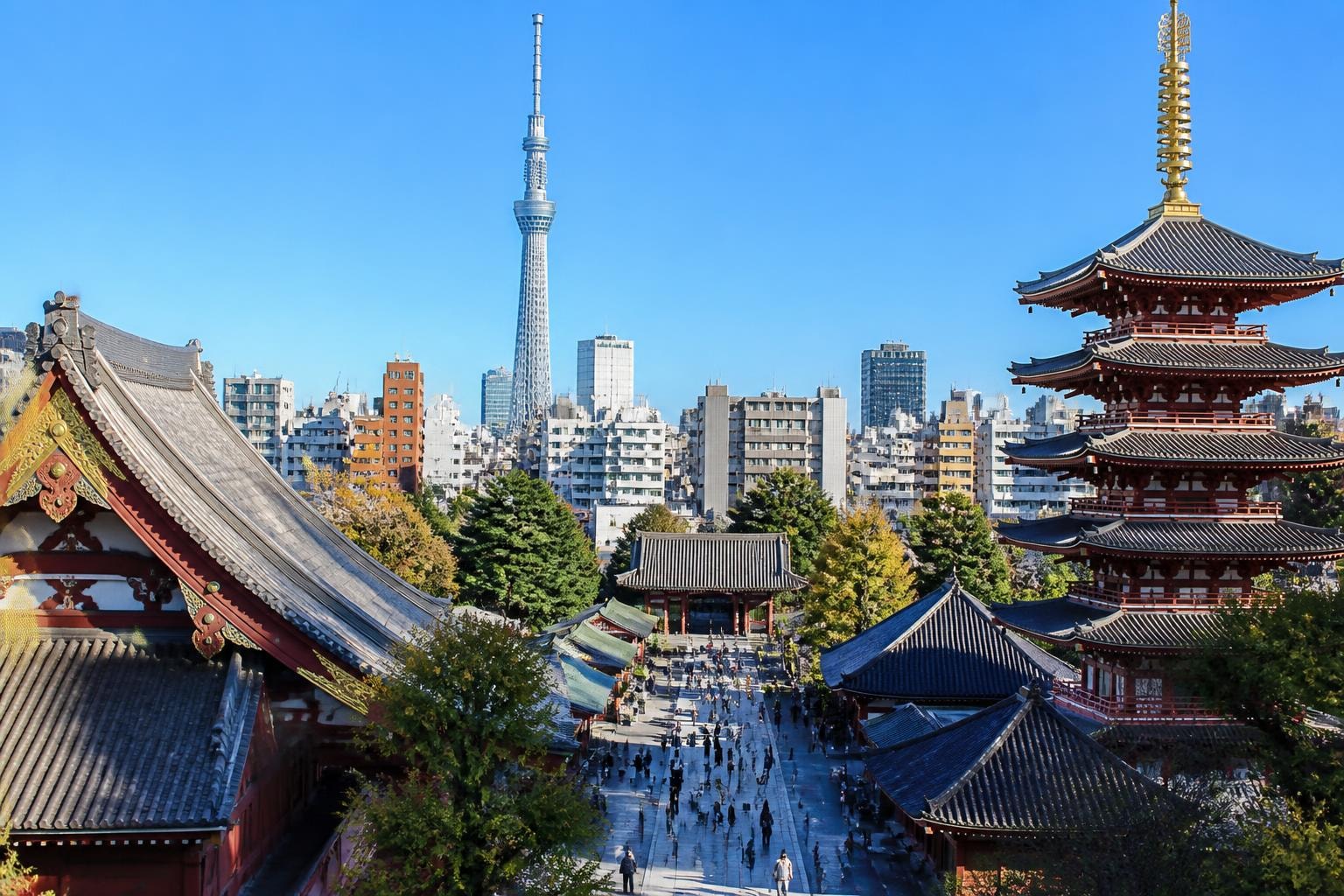
Tokyo stands as one of the world’s most captivating cities, where centuries-old traditions harmonize seamlessly with cutting-edge innovation. For discerning travelers seeking extraordinary experiences, the Japanese capital offers an unparalleled collection of attractions that cater to refined tastes and cultural curiosity. From serene temple gardens to Michelin-starred culinary adventures, understanding the essential sights in Tokyo, Japan, transforms a simple visit into an unforgettable journey through one of Asia’s most sophisticated destinations.
The spiritual heart of Tokyo reveals itself through magnificent temple complexes and shrines that have endured for centuries. Senso-ji Temple in Asakusa remains the city’s oldest Buddhist temple, drawing visitors through the iconic Kaminarimon Gate adorned with its massive red lantern. The approach via Nakamise Shopping Street creates a sensory experience that prepares guests for the sacred grounds ahead.
Nestled within a 170-acre forested sanctuary, Meiji Shrine offers respite from urban intensity. This Shinto shrine, dedicated to Emperor Meiji and Empress Shoken, demonstrates how sacred architecture integrates with natural landscapes.

The experience transcends mere sightseeing, offering insights into Japanese spiritual practices that continue to shape modern culture. Private guided visits can be arranged through luxury concierge services, ensuring a deeper understanding of ceremonial protocols and historical significance.
The Imperial Palace grounds occupy Tokyo’s geographic and historical center, where the Emperor of Japan maintains his primary residence. While the inner palace remains closed except for special occasions, the East Gardens welcome visitors year-round, with meticulously maintained landscapes that showcase seasonal beauty.
| Season | Highlights | Best Features |
|---|---|---|
| Spring | Cherry blossoms | Sakura viewing spots |
| Summer | Lush greenery | Hydrangea gardens |
| Autumn | Fall foliage | Maple tree displays |
| Winter | Plum blossoms | Serene landscapes. Reservations permit access to guided tours of the palace grounds on specific dates, providing exclusive perspectives on imperial architecture and ceremonial spaces. The surrounding moat and original defensive structures reveal Tokyo’s evolution from Edo-period fortress city to modern metropolis. According to Japan Guide’s comprehensive Tokyo overview, these grounds are essential for understanding Japanese imperial history. |
Among the premier sights in Tokyo, Japan, the Tsukiji Outer Market and the newer Toyosu Market showcase the city’s obsession with culinary perfection. While Toyosu now handles wholesale operations, Tsukiji’s outer market continues thriving with specialized vendors offering premium ingredients and prepared foods.
Tokyo holds more Michelin stars than any other city in the world, with concentrations in specific districts that cater to luxury dining.
Private culinary tours arranged through bespoke services provide access to reservation-only establishments and chef interactions that enhance appreciation for Japanese gastronomic artistry. These experiences often combine market visits with cooking demonstrations and multi-course meals prepared by master chefs.
Tokyo’s museum landscape rivals any global capital, presenting collections that span from ancient artifacts to contemporary installations. The Tokyo National Museum in Ueno Park houses the world’s largest collection of Japanese art, including national treasures and important cultural properties across multiple gallery buildings.

The Mori Art Museum is located on the 53rd floor of Roppongi Hills, offering world-class exhibitions and panoramic city views. TeamLab Borderless and TeamLab Planets offer immersive digital art experiences that have redefined interactive installations globally. For fashion-forward travelers, Who What Wear’s insider guide highlights Tokyo’s position as a cultural trendsetter.
Private viewings and curator-led tours elevate museum visits from casual browsing to educational journeys through Japanese artistic heritage.
Tokyo’s skyline combines architectural innovation with functional design, offering views that showcase urban planning excellence. Tokyo Skytree, standing at 634 meters, offers observation decks at 350 and 450 meters, providing perspectives across the entire Kanto Plain on clear days.
The Tokyo Tower, inspired by the Eiffel Tower yet distinctly Japanese in character, remains an iconic landmark despite being surpassed in height. Its central location makes it ideal for understanding Tokyo’s geographic layout and neighborhood relationships.
Modern architectural masterpieces dot the cityscape, each representing a distinct design philosophy. The Mode Gakuen Cocoon Tower showcases organic forms, while the Tokyo International Forum demonstrates transparency through glass and steel. Kenzo Tange’s Yoyogi National Gymnasium, built for the 1964 Olympics, remains influential in contemporary design discussions.
Luxury accommodations in these towers provide residents and guests with privileged access to observation facilities and exclusive amenities. Helicopter tours offer alternative perspectives for those seeking ultimate viewing experiences.
Despite its urban density, Tokyo preserves extraordinary green spaces that demonstrate centuries of landscape design mastery. Rikugien Garden, constructed in 1702, exemplifies Edo-period aesthetics through carefully composed scenes that change with viewing angles and seasons.
| Garden | Style | Key Features | Best Season |
|---|---|---|---|
| Rikugien | Strolling | Pond, teahouse | Autumn |
| Koishikawa Korakuen | Scenic | Multiple landscapes | Spring |
| Hamarikyu | Seaside | Tidal pond, teahouse | Year-round |
| Shinjuku Gyoen | Mixed | French, English, Japanese | Cherry blossom |
Shinjuku Gyoen combines three distinct garden styles-French formal, English landscape, and Japanese traditional-across 144 acres of meticulously maintained grounds. The park’s alcohol prohibition ensures tranquil atmospheres even during peak cherry blossom season, when viewing parties crowd other locations.
Private tea ceremonies conducted in traditional garden teahouses provide immersive cultural experiences that connect guests with Japanese aesthetic principles. These intimate gatherings, limited to small groups, reveal nuances of hospitality and seasonal appreciation central to Japanese culture.
From hypermodern electronics districts to traditional craft streets, shopping is essential to seeing Tokyo,o, Japan. Ginza maintains its position as the luxury shopping headquarters, where international flagship stores occupy entire buildings along wide, tree-lined boulevards.
Harajuku and Omotesando cater to fashion-forward shoppers, with Omotesando Hills providing architectural sophistication designed by Tadao Ando. The contrast between Harajuku’s youthful street fashion and Omotesando’s luxury boutiques illustrates Tokyo’s diverse style spectrum.
Personal shopping services arranged through luxury concierges provide access to trunk shows, private viewings, and artisan workshops not available to general visitors. These services often include styling consultations and custom tailoring from master craftspeople. Time Out Tokyo’s comprehensive list offers additional perspectives on shopping destinations.
Each Tokyo neighborhood maintains a distinct personality and attractions that reward deeper exploration. Yanaka preserves old Tokyo’s atmosphere with narrow streets, traditional shops, and temple-lined pathways that survived wartime bombing. This district offers authentic glimpses of neighborhood life unchanged by redevelopment pressures.

Shimokitazawa appeals to creative communities with vintage shops, live music venues, and independent theaters clustered along winding lanes. The bohemian atmosphere contrasts sharply with corporate districts, revealing Tokyo’s cultural diversity.
Exploring beyond major attractions reveals Tokyo’s authentic character. Kagurazaka combines French influence with traditional geisha districts, creating unique fusion atmospheres. Kichijoji consistently ranks as Tokyo residents’ preferred neighborhood, offering shopping, dining, and the natural beauty of Inokashira Park.
According to the Official Tokyo Travel Guide’s attraction categories, these lesser-known areas provide essential context for understanding contemporary Tokyo life beyond tourist circuits.
Tokyo’s evening transformations create entirely different urban experiences. Shibuya pulses with energy around the famous scramble crossing, where hundreds cross simultaneously beneath enormous video screens. The surrounding entertainment district offers everything from karaoke boxes to upscale cocktail bars.
Roppongi caters to international tastes with diverse dining and nightlife options, while Shinjuku’s Kabukicho represents Tokyo’s largest entertainment district. For traditional performing arts, the Kabukiza Theatre in Ginza presents kabuki performances with English audio guides, making classical Japanese theater accessible to international audiences.
Premium seating and backstage access arranged through specialized services enhance appreciation for performance details and artistic techniques. Post-performance discussions with artists provide deeper cultural understanding.
Throughout the year, Tokyo hosts festivals and events that showcase cultural traditions and community celebrations. Cherry blossom season transforms parks into temporary viewing grounds where hanami parties celebrate spring’s arrival. Sumida River Fireworks in July draws nearly one million spectators for spectacular pyrotechnic displays.
The Sanja Matsuri at Asakusa Shrine ranks among Tokyo’s largest festivals, with portable shrine processions and traditional music filling streets for three days each May. These events offer insights into community bonds and religious practices that continue shaping modern Japanese society.
| Festival | Timing | Location | Significance |
|---|---|---|---|
| Sanja Matsuri | May | Asakusa | Shinto tradition |
| Sumida Fireworks | July | Sumida River | Summer celebration |
| Kanda Matsuri | Mid-May | Kanda Shrine | Edo-period heritage |
| Design Week | October | Citywide | Contemporary creativity |
Accessing festival events through VIP arrangements ensures optimal viewing positions and cultural context from expert guides. These curated experiences transform crowded public events into managed, educational opportunities.
While Tokyo itself offers endless exploration, proximity to significant attractions expands itinerary possibilities. Mount Fuji views from the city are best on exceptionally clear days, but visiting the mountain directly offers hiking, lake districts, and hot spring resorts. The Hakone region combines volcanic landscapes, art museums, and traditional ryokan accommodations within two hours of central Tokyo.
Nikko, designated a UNESCO World Heritage site, features ornate shrines and natural beauty in its mountainous setting. Kamakura’s Great Buddha and coastal temples offer historical perspectives on Japan’s medieval capital. For those tracking the best things to see in Tokyo, Japan, and beyond, LIVE JAPAN’s comprehensive destination guide provides detailed information on excursion options.
Private vehicles with professional drivers eliminate navigation challenges and maximize time efficiency. Luxury transportation services offered comfort, flexibility, and local knowledge, significantly enhancing day-trip experiences. Direct routes, rest stop selections, and timing adjustments based on real-time conditions ensure seamless journeys.
Beyond individual restaurants, entire neighborhoods specialize in particular culinary traditions. Tsukishima is home to monjayaki, Tokyo’s answer to Osaka’s okonomiyaki, with dozens of restaurants lining Monja Street. Kappabashi, Tokyo’s kitchen town, supplies restaurants and home cooks with specialized equipment, replica food samples, and culinary tools.
Yakitori Alley, beneath the train tracks near Yurakuch, offers atmospheric dining where chefs grill skewered chicken over charcoal while customers sit at tiny counters. These concentrated food districts demonstrate Tokyo’s commitment to culinary specialization and neighborhood identity.
Premium food tours curated for discerning palates navigate these districts with expert commentary, access to reservations, and cultural context that enhance gastronomic appreciation. Multi-course journeys sampling various specialties provide comprehensive overviews of Tokyo’s diverse food culture. Tokyo Tourism’s updated guide highlights numerous culinary destinations for 2026 visitors.
Among the wellness-focused sights in Tokyo, Japan, traditional bathhouses and modern spas offer restorative experiences. Oedo Onsen Monogatari recreates Edo-period bathhouse culture with various hot spring baths, foot baths, and relaxation areas where guests wear yukata robes.
Luxury hotel spas incorporate Japanese techniques with international wellness practices, offering treatments using premium local ingredients. Private onsen experiences in exclusive settings provide ultimate relaxation without crowds.
These immersive activities connect participants with Japanese cultural practices that emphasize mindfulness, seasonal awareness, and aesthetic refinement. Private instruction ensures personalized attention and deeper skill development than group sessions permit.
Tokyo’s technological advancement manifests in various attractions demonstrating Japanese innovation. Miraikan, the National Museum of Emerging Science and Innovation, presents interactive exhibits on robotics, space exploration, and environmental technology. The Sony Building and Panasonic Center showcase consumer electronics and future technologies.
Akihabara, the electronics and anime district, represents Tokyo’s influence on global popular culture. Multiple floors of specialty shops offer everything from vintage video games to the latest gadgets. For technology enthusiasts, these districts provide insights into Japanese consumer preferences and innovation trajectories.
Private technology tours arranged through specialized guides provide access to research facilities, startup incubators, and prototype demonstrations that are not publicly available. These exclusive experiences reveal innovation processes behind Japan’s technological leadership.
Tokyo’s extraordinary diversity ensures that every visitor discovers unique connections with this remarkable city, whether through ancient traditions, culinary excellence, or contemporary innovation. The sights seen in Tokyo, Japan, extend far beyond standard tourist circuits, rewarding those who seek authentic experiences with unforgettable moments. For travelers desiring seamless, personalized journeys through Tokyo’s highlights and hidden treasures, Japan Royal Service crafts bespoke itineraries that combine luxury transportation, exclusive access, and expert local knowledge, ensuring every aspect of your Tokyo exploration exceeds expectations.