
LINE ID japanroyalservice
+817013781777 click here
+817013781777 click here
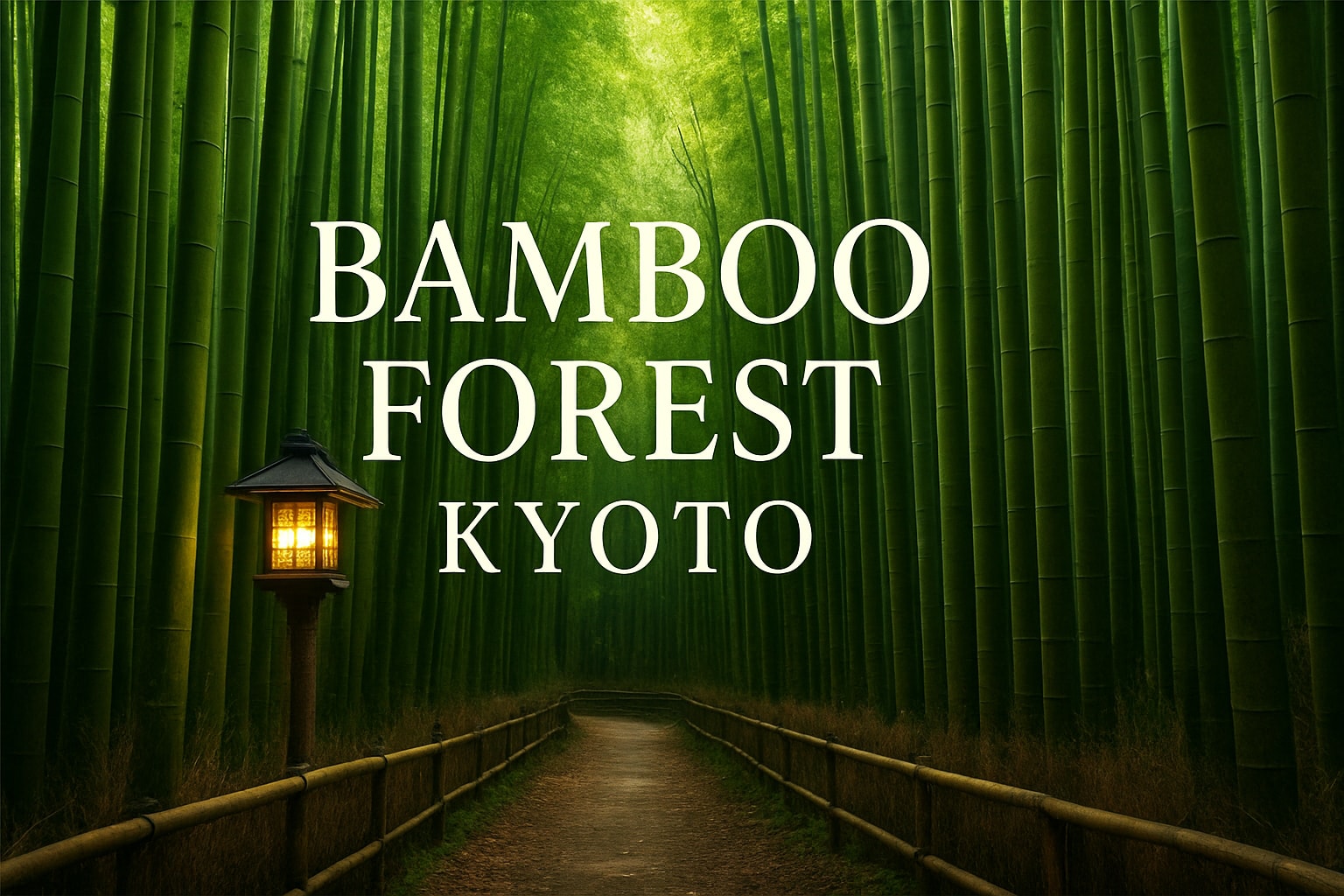
Step into the enchanting realm of the bamboo forest in Kyoto, where slender green stalks whisper tales of tradition and serenity. This guide is your key to unlocking every secret of this iconic grove, ensuring you experience its magic to the fullest in 2026. Discover the forest’s rich history, unique sights and sounds, must-see highlights, expert tips for your visit, and the deep cultural significance woven through every path. Let the ethereal beauty and timeless allure of Kyoto’s bamboo forest inspire your next unforgettable journey.
Step into the bamboo forest in Kyoto and you’ll find yourself transported to a realm where history, myth, and nature are woven together. This living masterpiece has captivated visitors for centuries, each stalk whispering stories of resilience and tradition.

Nestled in Arashiyama, the bamboo forest of Kyoto traces its roots to the Heian period, when Japan’s nobility sought peace among its emerald groves. Bamboo has long symbolized strength, purity, and resilience in Japanese culture. Its hollow stems and rapid growth made it a staple in local crafts, from baskets to fencing, as well as in the architecture of tea houses and shrines.
Ancient poets and artists drew inspiration from the bamboo forest in Kyoto, celebrating its quiet power in verse and brushwork. The sound of wind through the stalks was so cherished that Japan’s Ministry of the Environment designated it as one of the country’s “100 Soundscapes.” This recognition protects not only the forest’s physical beauty but also its unique auditory experience.
Throughout history, emperors and monks have wandered these paths, seeking solace and enlightenment. The forest’s enduring allure is captured in countless works of art and folklore. For a deeper understanding of its legacy and cultural importance, you may explore the Arashiyama Bamboo Grove’s Cultural Significance for more insights into how tradition and nature are inseparable here.
Beyond its storied past, the bamboo forest in Kyoto enchants with its surreal beauty. Towering stalks create a living cathedral, their green canopies filtering sunlight into a soft, otherworldly glow. Every visit is a sensory journey: the gentle rustle of leaves, the cool shade, and the earthy scent combine to soothe and inspire.
Each season transforms the bamboo forest in Kyoto. Spring brings delicate cherry blossoms at the edges, while summer cloaks the grove in lush emerald hues. In autumn, golden light dances through the leaves, and winter’s tranquility settles over the silent paths. Artists and filmmakers often seek out this magical setting, capturing its essence in everything from travel photography to international cinema.
Conservation efforts are vital to preserving the forest’s unique ecosystem. Local communities and volunteers work tirelessly to protect the bamboo from over-tourism and ensure that future generations can experience its wonder. The forest stands as a living symbol of Kyoto’s commitment to balancing heritage with sustainability.
Embarking on a journey to the bamboo forest in Kyoto is a highlight for any Japan itinerary. Careful planning ensures you experience this enchanting destination at its best, whether you seek tranquility, vibrant scenery, or cultural festivities.

The bamboo forest in Kyoto transforms with each season, offering distinct experiences. In spring, enjoy the gentle blush of cherry blossoms, while summer brings a dense, emerald canopy that cools the paths. Autumn paints the grove in golden hues, creating a magical interplay of light and shadow. Winter reveals a serene, minimalist beauty, often with a dusting of snow.
To avoid crowds, plan your visit in the early morning or late afternoon. These times provide peaceful walks and the best photography conditions. In 2026, several local festivals in Arashiyama will add extra vibrancy to the area, so check event calendars for unique cultural moments.
Weather can shift quickly, so pack accordingly:
For more in-depth seasonal tips and event listings, the Kyoto travel guide for 2026 offers essential updates to optimize your bamboo forest Kyoto adventure.
Reaching the bamboo forest in Kyoto is straightforward. From Kyoto Station, take the JR Sagano Line to Saga-Arashiyama Station, or use buses and taxis for flexible options. Walking from the station to the forest is pleasant and well-signposted, making navigation simple for all ages.
Families and travelers with mobility needs will find accessible routes and clear entry points. The main pathway is mostly flat and wide, with benches available for rest. Signage is available in multiple languages, ensuring smooth exploration.
Facilities include clean restrooms, souvenir shops, and charming cafes near the entrance, perfect for a relaxing break. For a seamless experience:
With thoughtful preparation, your visit to the bamboo forest in Kyoto will be both comfortable and memorable, allowing you to immerse yourself fully in its natural and cultural wonders.
Step into the heart of the bamboo forest in Kyoto and discover a world that feels both timeless and otherworldly. Whether you are a first-time visitor or a seasoned explorer, this area offers a rich tapestry of sights and experiences that invite you to slow down and savor every moment.

The main pathway of the bamboo forest in Kyoto is the most iconic route, stretching roughly 500 meters from Nonomiya Shrine toward Okochi Sanso Villa. As you enter, you are immediately enveloped by thousands of soaring bamboo stalks, their canopies forming a living tunnel that sways and whispers in the breeze.
This walkway is a photographer’s dream. Early morning or late afternoon provides the best natural lighting and the quietest moments for capturing the scene. For those seeking the perfect shot, patience is key—wait for lulls in foot traffic and frame the path with the vertical rhythm of the bamboo.
One of the most enchanting features is the soundscape. The soft rustle of leaves, now officially protected as one of the “100 Soundscapes of Japan,” creates a meditative mood. Walking here offers a multisensory immersion unique to the bamboo forest in Kyoto.
Beyond the main path, the bamboo forest in Kyoto reveals quieter trails and secluded pockets cherished by locals. These side routes wind deeper into the grove, away from the busiest areas, offering moments of solitude and reflection.
Here, you might find a bench perfect for sketching, or a sun-dappled clearing ideal for meditation. Photographers and artists often favor these hidden corners for their tranquil atmosphere and unique lighting. If you crave a deeper connection to the landscape, take time to pause and listen to the interplay of wind and wood.
For those eager to explore more, Arashiyama Bamboo Grove insights provides further stories and tips about these secret paths. Let the serenity of the bamboo forest in Kyoto inspire your own quiet adventure.
The wonders of the bamboo forest in Kyoto extend beyond the grove itself. Adjacent to the forest stands Tenryu-ji Temple, a UNESCO World Heritage Site with exquisite gardens. Okochi Sanso Villa offers panoramic views and traditional architecture for those interested in Japanese aesthetics.
Nature lovers can visit Iwatayama Monkey Park, where wild macaques roam against a backdrop of Kyoto’s mountains. The iconic Togetsukyo Bridge, spanning the Katsura River, is another must-see, especially during cherry blossom or autumn leaf seasons.
After your walk, treat yourself to local flavors at nearby tea houses and shops. Savor matcha sweets or browse bamboo crafts to bring a piece of the bamboo forest of Kyoto home with you. Each attraction adds another layer to your unforgettable journey through Arashiyama.
The bamboo forest in Kyoto is more than a scenic destination. It is a living symbol of Japan’s enduring cultural spirit, woven into the nation’s art, traditions, and beliefs. To walk beneath these towering stalks is to step into a space where history, myth, and community converge.

Bamboo holds a revered place within Japanese culture, and the bamboo forest in Kyoto stands as a prime example of this deep connection. Throughout history, bamboo has represented purity, resilience, and growth—qualities treasured in both daily life and spiritual practice.
In Shinto and Buddhist traditions, bamboo groves are seen as sacred sites, believed to ward off evil spirits and invite good fortune. Artisans have long used bamboo for tea ceremony utensils, musical instruments, and intricate crafts, celebrating its beauty and versatility.
Bamboo also plays a central role in seasonal festivals and rituals:
The bamboo forest in Kyoto embodies these traditions, inviting visitors to reflect on nature’s quiet power.
The bamboo forest in Kyoto has captured the imagination of artists and creators worldwide. Its ethereal paths have appeared in acclaimed films, anime series, and countless travel photographs, often symbolizing the boundary between the physical and spiritual realms.
Contemporary artists draw inspiration from the forest’s shifting light and rhythmic patterns. Photographers flock here to capture the interplay of shadow and green, while writers and poets evoke its tranquility as a metaphor for peace and renewal.
Visitors often share testimonials describing moments of profound calm, creativity, or insight experienced within the bamboo forest in Kyoto. This enduring fascination continues to shape global perceptions of Japanese natural beauty.
Preserving the bamboo forest in Kyoto is a responsibility shared by residents, visitors, and cultural organizations. Over-tourism, environmental threats, and vandalism have highlighted the need for sustainable management.
Recent years have seen:
To learn more about ongoing revitalization initiatives, explore these Conservation Efforts in Kyoto’s Bamboo Forests.
Every visitor can contribute by following marked paths, minimizing noise, and supporting local conservation projects. By honoring the spirit of the bamboo forest in Kyoto, we help ensure its magic endures for generations.
Visiting the bamboo forest in Kyoto in 2026 promises a journey of wonder, but preparation is key. To ensure a truly magical experience, consider these essential tips for planning, enhancing, and savoring every moment in this enchanting grove.
Begin your bamboo forest Kyoto adventure by checking the latest entrance fees, opening hours, and any seasonal restrictions. Arrive early in the morning or late afternoon to enjoy the tranquil atmosphere and avoid peak crowds. Pack light but bring essentials such as comfortable walking shoes, a water bottle, and a camera.
The weather in Kyoto can change quickly, so dress in layers and carry rain protection if visiting in spring or autumn. Respect local customs by keeping noise to a minimum and refraining from touching or damaging the bamboo. Responsible tourism is crucial, especially as the Impact of Tourism on Arashiyama Bamboo Forest grows. Follow posted signs, stay on designated paths, and dispose of litter properly to help preserve this natural treasure.
If you have accessibility needs, note that the main paths are relatively flat, but some side trails may be uneven. Always check for updates on health and safety guidelines, including any COVID-19 measures, before your visit.
To deepen your bamboo forest Kyoto experience, consider joining a guided tour. Expert guides share fascinating stories about the forest’s history, ecology, and cultural significance. Personalized tours are available for individuals, families, or small groups, often including access to off-the-beaten-path spots.
Plan your itinerary to combine the bamboo forest in Kyoto with nearby highlights like Tenryu-ji Temple or the Togetsukyo Bridge. A half-day visit suffices for many, but a full day allows you to explore at a leisurely pace and enjoy more of Arashiyama. For families and travelers with special needs, many local operators offer tailored experiences and support.
Photography enthusiasts should bring a tripod for low-light shots and visit during golden hour for stunning images. Remember to remain mindful of other visitors and avoid blocking paths while capturing your memories.
After exploring the bamboo forest in Kyoto, treat yourself to local delights. Sample matcha, traditional sweets, and seasonal Kyoto cuisine at nearby cafes and tea houses. Shops in Arashiyama offer unique bamboo-themed souvenirs, from handcrafted fans to elegant chopsticks.
Participate in a tea ceremony or calligraphy workshop to immerse yourself in Japanese culture. For those interested in the art of tea, discover more about the traditional Japanese tea experiences available in the area. These activities provide a meaningful connection to the spirit of the bamboo and the heritage of Kyoto.
Whether you seek tranquility, adventure, or cultural enrichment, the bamboo forest in Kyoto delivers unforgettable moments for every traveler.
Planning a visit to the bamboo forest in Kyoto? Find quick answers below for a smooth experience.
As you dream of wandering beneath the towering bamboo groves and immersing yourself in Kyoto’s unique blend of nature and tradition, remember that your journey can be as seamless and personalized as you wish. Whether you want exclusive access to hidden trails, insightful local guides, or curated culinary stops along the way, we’re here to help you experience the Bamboo Forest at its most magical. Let’s make your 2026 adventure in Kyoto truly unforgettable.
Request your private consultation. Design your bespoke Japan journey with our experts.