
LINE ID japanroyalservice
+817013781777 click here
+817013781777 click here
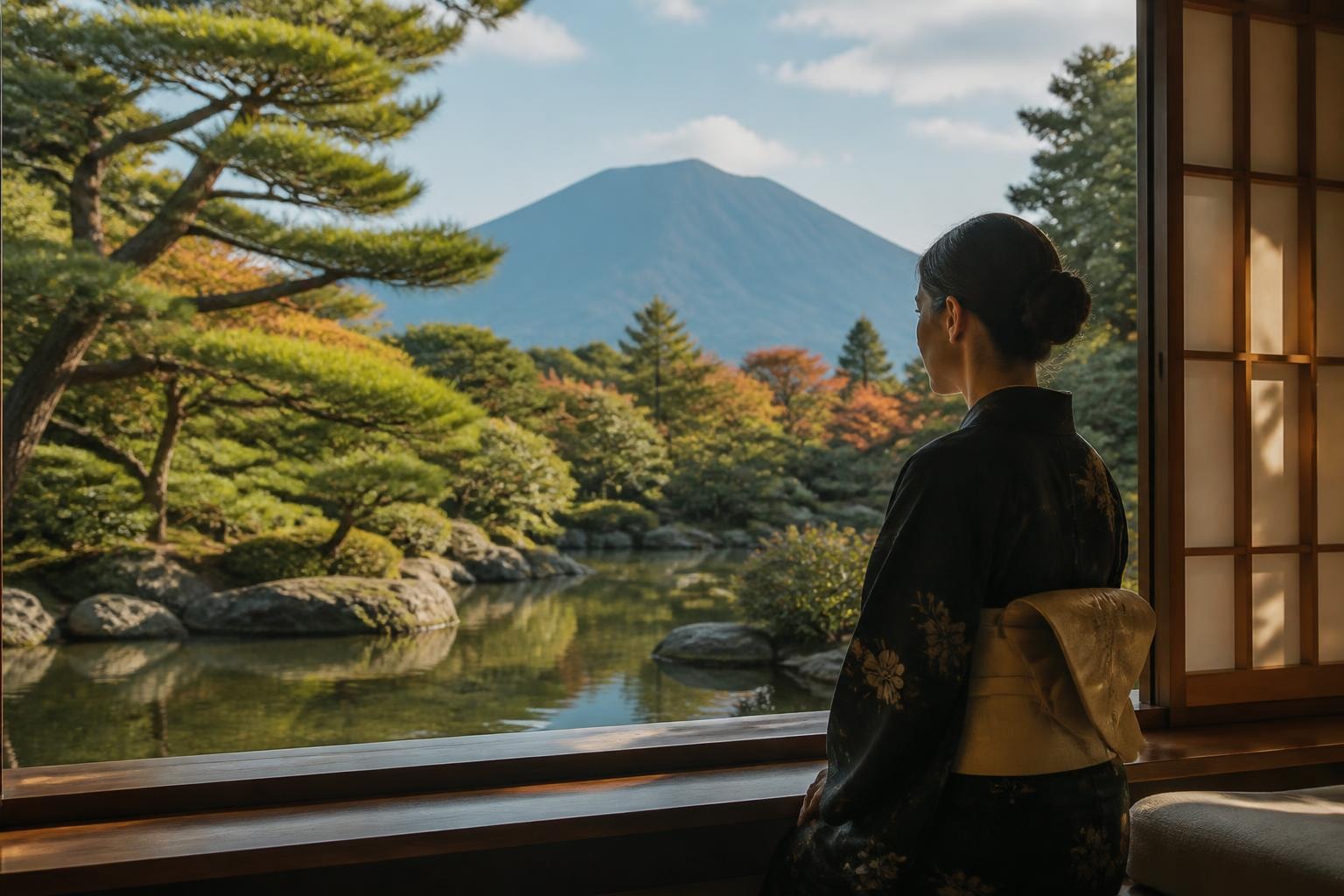
Japan beckons travelers with an intoxicating blend of ancient traditions and cutting-edge innovation, creating an experience unlike any destination on Earth. Whether you’re drawn to the serene beauty of centuries-old temples, the precision of kaiseki cuisine, or the electric energy of Tokyo’s neighborhoods, planning to visit Japan requires thoughtful consideration of timing, cultural nuances, and the myriad experiences that await. For discerning travelers seeking more than surface-level tourism, understanding how to craft a journey that balances iconic landmarks with exclusive access to hidden treasures transforms a trip into an unforgettable adventure.
Timing your Japanese journey strategically elevates every aspect of the experience. Cherry blossom season, from late March through early April, remains the most coveted period, when delicate pink blooms transform parks, temples, and riverside walks into ethereal landscapes. However, this popularity comes with substantial crowds and premium pricing.
Autumn, particularly November, offers equally compelling beauty as maple leaves paint hillsides in brilliant crimson and gold. The weather remains comfortable, and cultural events flourish across the country. Winter presents unique opportunities for those who visit Japan seeking exclusive experiences like private hot spring resorts in Hokkaido or uncrowded temple visits in Kyoto’s snow-dusted gardens.
Spring Season Highlights:
Autumn Advantages:
Summer brings festival season with spectacular fireworks displays and traditional matsuri celebrations, though humidity levels can challenge some travelers. The Japan National Tourism Organization provides detailed seasonal information to help plan your optimal travel window.

Japan’s reputation for punctual, efficient transportation systems proves well-deserved, offering luxury travelers seamless mobility across the archipelago. The Shinkansen bullet train network connects major cities with remarkable speed and comfort, transforming what could be tedious travel days into scenic journeys worth savoring.
First-class Green Car accommodations on Shinkansen trains provide spacious seating, complimentary beverages, and superior service. For ultimate flexibility, private car services with professional chauffeurs eliminate navigation stress while offering personalized routing based on your interests and schedule.
| Transportation Method | Best For | Luxury Factor | Booking Considerations |
|---|---|---|---|
| Shinkansen Green Car | Intercity travel | High comfort, scenic views | Reserve seats in advance |
| Private car service | Customized routing | Highest personalization | Book with concierge services |
| Domestic flights | Long distances (Tokyo-Kyushu) | Time efficiency | First class available |
| Premium buses | Overnight journeys | Cost-effective luxury | Limited routes |
The JR Pass offers unlimited travel on most JR trains, but calculating whether it suits your specific itinerary requires careful planning. National Geographic’s practical guide examines various transportation strategies for different travel styles.
Within cities, subway systems operate with clockwork precision. Tokyo’s extensive network initially appears overwhelming, but smartphone apps with English navigation make route planning straightforward. Taxis provide convenient alternatives, particularly for evening restaurant transfers or when carrying shopping acquisitions.
Deciding where to visit in Japan demands balancing iconic experiences with discovering lesser-known treasures that reveal the country’s depth. Tokyo captivates with its dynamic energy, from Michelin-starred dining in Ginza to tranquil morning visits at Meiji Shrine before crowds arrive.
Kyoto embodies traditional elegance through pristine temples, carefully cultivated gardens, and geisha districts preserving centuries-old customs. Yet limiting yourself to these major cities means missing extraordinary experiences in regions like the Japanese Alps, rural Takayama, or Kanazawa’s preserved samurai districts.
Essential Experiences by Region:
When you visit Japan intending to immerse yourself in the culture, arranging private access to experiences typically closed to general tourists transforms your understanding. Exclusive sake brewery tours, after-hours temple visits, or private cooking classes with renowned chefs create memories that transcend standard sightseeing.

Understanding Japanese cultural nuances demonstrates respect while enriching your interactions. The concept of “omotenashi”—wholehearted hospitality—permeates service culture, creating extraordinarily attentive experiences when approached with appropriate etiquette.
Removing shoes before entering homes, certain restaurants, and traditional accommodations represents fundamental courtesy. Observe others and look for shoe racks or slippers near entrances. At dining establishments, wait to be seated rather than choosing your table, and avoid pointing chopsticks or sticking them vertically in rice.
Bowing remains the standard greeting, though handshakes have become acceptable in business contexts. A slight bow of acknowledgment shows respect when receiving service or passing others in narrow spaces. Speaking quietly in public spaces, particularly on trains, maintains social harmony that Japanese culture values deeply.
Japan operates as a predominantly cash society, though credit card acceptance has expanded significantly in major cities. Carrying sufficient yen for smaller establishments, temples, and rural areas prevents inconvenient situations. Interestingly, tipping is neither expected nor encouraged, as exceptional service is considered standard rather than worthy of additional compensation.
The Forbes guide for first-time visitors offers comprehensive cultural insights that prepare travelers for nuanced social situations.
Where you rest each evening profoundly influences your Japanese experience. Traditional ryokan inns offer immersion in timeless hospitality, featuring tatami-mat rooms, kaiseki multi-course dinners, and communal or private hot spring baths. These establishments range from historic properties preserving centuries of tradition to contemporary interpretations blending modern luxury with traditional service.
International luxury hotel brands maintain properties in major cities, providing familiar comfort with Japanese service excellence. However, boutique hotels and exclusive ryokan often deliver more authentic, memorable experiences. Properties like century-old ryokan in Kyoto’s Gion district or mountain retreat onsen resorts offer unparalleled tranquility and cultural immersion.
Accommodation Types Comparison:
| Type | Atmosphere | Price Range | Best For |
|---|---|---|---|
| Traditional Ryokan | Authentic cultural immersion | $$$ — $$$$ | Cultural enthusiasts |
| Luxury International Hotels | Contemporary comfort | $$$ — $$$$ | Business travelers, familiar amenities |
| Boutique Properties | Unique character | $$ — $$$ | Design-conscious travelers |
| Temple Lodging (Shukubo) | Spiritual experience | $ — $$ | Cultural seekers, meditation |
Advanced reservations prove essential for premium properties, particularly during peak seasons. Many exclusive ryokan accept limited guests and book months ahead for cherry blossom or autumn foliage periods.
Japanese cuisine extends far beyond the sushi and ramen that dominate international perception. Regional specialties showcase local ingredients and centuries-refined techniques, from Osaka’s street food culture to Kyoto’s delicate kaiseki artistry. Those who visit Japan seeking culinary excellence discover that even modest neighborhood restaurants typically deliver exceptional quality.
Tokyo boasts more Michelin-starred restaurants than any other city globally, offering opportunities to experience cutting-edge culinary innovation. Yet equally memorable meals emerge from yakitori specialists grilling skewers over charcoal, neighborhood soba shops handcrafting noodles daily, or bustling izakaya pubs serving seasonal small plates.
Securing reservations at top-tier establishments requires planning, typically months ahead for the most coveted restaurants. Many accept reservations exactly one month prior at specific times, creating competitive booking scenarios. Utilizing concierge services or specialized reservation platforms simplifies access to exclusive dining experiences.
Regional Culinary Specialties:

English proficiency varies significantly across Japan, with major hotels and tourist areas offering more support than rural regions or local establishments. However, the language barrier rarely prevents successful navigation thanks to widespread signage using romanized text and abundant visual communication.
Smartphone translation apps have revolutionized international travel, enabling real-time conversation translation and photograph-based text translation. Downloading offline translation capabilities before arrival ensures functionality without constant internet access. Learning basic Japanese phrases demonstrates respect and typically elicits warm appreciation from locals.
Tourist information centers (often marked with “i” symbols) in major stations provide English-speaking staff who assist with directions, reservations, and general questions. The Rough Guides planning resource includes helpful language tips and communication strategies.
Japan’s reputation as an expensive destination contains truth, yet travelers can control costs significantly through strategic choices. Luxury experiences command premium pricing, but the country also offers exceptional value across categories when approached thoughtfully.
Transportation expenses accumulate quickly with individual ticket purchases, making rail passes valuable for extensive travel. Dining expenses range dramatically from $10 convenience store meals to $500+ per person at prestigious restaurants. Accommodation similarly spans from budget capsule hotels to $1,000+ nightly luxury ryokan.
Building a realistic budget requires defining priorities. Allocating resources toward unique experiences like private cultural workshops or exclusive access opportunities typically proves more memorable than uniform luxury across all categories. Those who visit Japan with flexible spending approaches balance splurge experiences with more modest choices.
Citizens of 68 countries and regions enjoy visa-free entry for tourism stays up to 90 days, including the United States, the United Kingdom, Australia, and most European nations. This simplified entry process requires only a valid passport and return ticket documentation.
As of 2026, standard entry procedures involve completing customs declarations and presenting your passport at immigration. International airports in Tokyo (Narita and Haneda), Osaka (Kansai), and other major cities process arrivals efficiently. Carrying proof of accommodation and sufficient funds, while rarely requested, demonstrates preparedness if questioned.
Business travelers or those planning extended stays require appropriate visa categories obtained through Japanese embassies or consulates before departure. The official Japan tourism website maintains current visa information for all nationalities.
Japanese retail culture delivers extraordinary variety, from centuries-old craft workshops to cutting-edge fashion districts. Department stores elevate shopping into an art form with impeccable service, beautifully packaged goods, and food halls (depachika) showcasing culinary excellence.
Foreign visitors enjoy tax-free shopping privileges on purchases exceeding 5,000 yen at participating retailers. Present your passport at tax-free counters to receive immediate discounts or refunds. Major shopping districts in Tokyo’s Ginza, Shibuya, and Harajuku neighborhoods offer international fashion alongside uniquely Japanese brands.
Traditional crafts provide meaningful souvenirs, from handcrafted ceramics in Kyoto to lacquerware in Takayama. Antique markets and specialized craft shops reveal treasures unavailable elsewhere. Those who visit Japan seeking authentic artisan goods discover that direct purchases from craftspeople themselves often include fascinating conversations about techniques and traditions.
Shopping District Highlights:
Japan consistently ranks among the world’s safest travel destinations, with remarkably low crime rates and excellent public health infrastructure. Tap water proves safe to drink throughout the country, and food safety standards maintain exceptional rigor.
Pharmacies stock common medications, though bringing prescription drugs with documentation prevents potential issues. Travel insurance covering medical expenses provides peace of mind, as healthcare costs without insurance can prove substantial. English-speaking medical facilities exist in major cities, and embassy contacts offer assistance if needed.
Natural disaster preparedness deserves attention, given Japan’s seismic activity. Familiarize yourself with earthquake safety procedures, which most hotels outline in room materials. The country’s advanced warning systems and building codes make modern structures remarkably safe, but awareness promotes confidence.
Transforming a visit from tourist observation to cultural participation requires stepping beyond standard itineraries. Attending local festivals, participating in traditional craft workshops, or joining tea ceremonies with qualified instructors provides an authentic cultural exchange.
Private experiences often reveal dimensions invisible to general tourism. After-hours temple visits allow contemplative appreciation without crowds. Exclusive sake tastings at small-production breweries include conversations with master brewers about their craft. Traditional arts like calligraphy, ikebana flower arranging, or kimono wearing become accessible through specialized workshops.
When you visit Japan through Japan Royal Service, these exclusive opportunities integrate seamlessly into personalized itineraries. Access to experiences typically closed to casual visitors, combined with expert local knowledge, transforms cultural exploration from superficial to profound.
Staying connected while traveling enhances navigation, translation, and sharing experiences. Pocket WiFi rental devices or SIM cards provide reliable internet access throughout your journey. Major airports offer rental counters, and many hotels include complimentary WiFi for guests.
Download transportation apps like Hyperdia for train schedules, Google Maps for navigation, and restaurant reservation platforms before arrival. Digital payment options through smartphones have expanded rapidly, though cash remains essential for many situations. The Japan Highlights travel tips include detailed technology recommendations for visitors.
Banking considerations include notifying your financial institutions about travel dates to prevent card blocks. ATMs at convenience stores (especially 7-Eleven) accept international cards reliably, providing necessary cash access throughout the country.
Japan’s commitment to cleanliness and environmental consideration creates opportunities for conscious travel choices. The country’s extensive recycling systems, efficient public transportation, and preservation of natural spaces align well with sustainable tourism principles.
Supporting local businesses, choosing accommodations with environmental certifications, and respecting natural sites through leave-no-trace practices contribute positively. Those who visit Japan with environmental awareness discover that many traditional practices inherently emphasize sustainability and resource respect.
Planning to visit Japan requires balancing logistical preparation with openness to spontaneous discovery, creating journeys that honor both the country’s rich traditions and your personal interests. Whether drawn to ancient temples, contemporary culture, culinary excellence, or natural beauty, thoughtful planning transforms possibilities into extraordinary realities. Japan Royal Service specializes in crafting these bespoke experiences, offering personalized itineraries with exclusive access to cultural treasures, luxury transportation, and insider knowledge that elevates every moment of your Japanese adventure into something truly unforgettable.