
LINE ID japanroyalservice
+817013781777 click here
+817013781777 click here
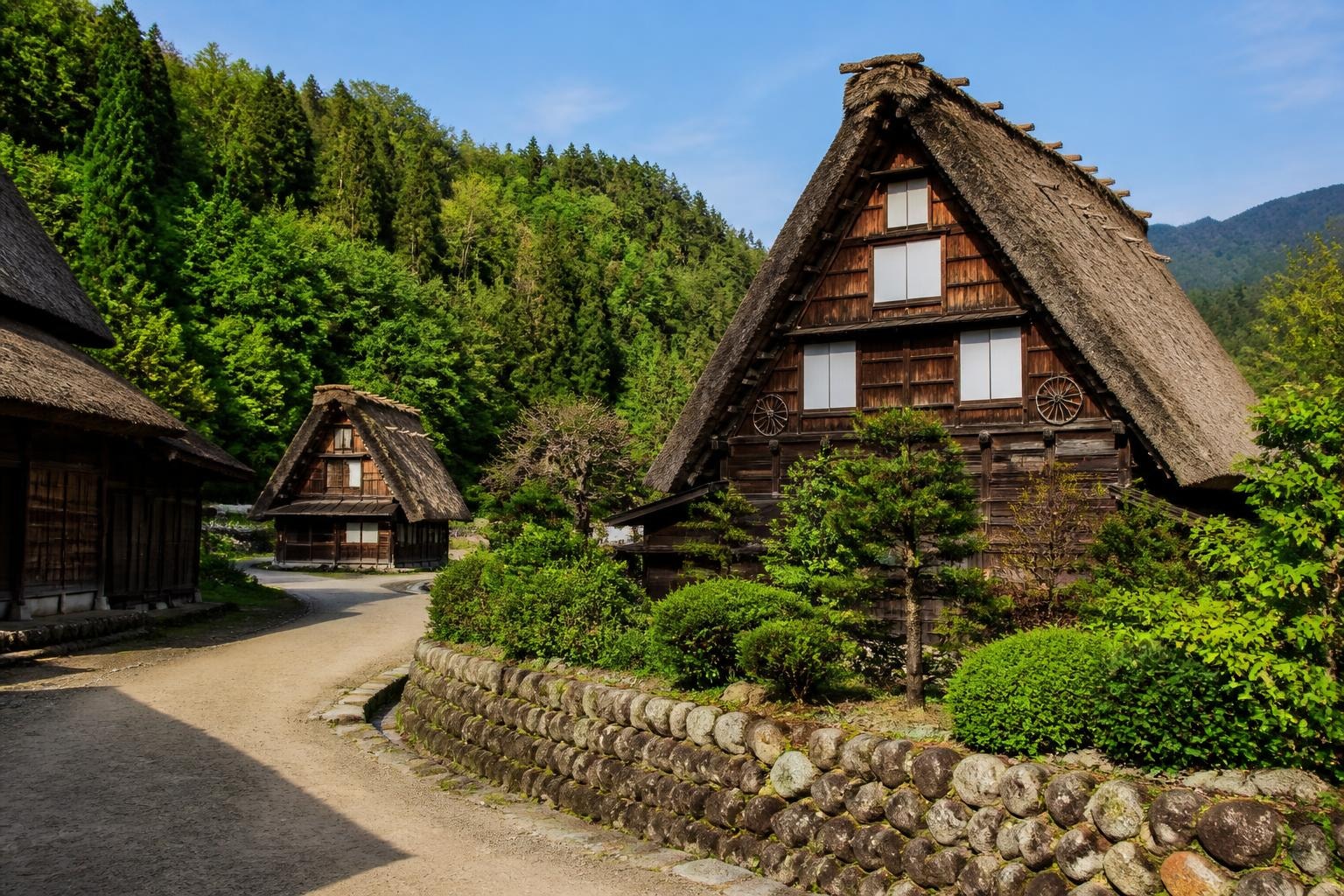
Nestled in the mountainous Hida region of Gifu Prefecture, Hida Folk Village Takayama stands as a remarkable testament to Japan’s architectural heritage and traditional rural lifestyle. This expansive open-air museum, officially known as Hida no Sato, preserves over thirty traditional buildings relocated from across the region, offering discerning travelers an authentic glimpse into centuries-old Japanese mountain culture. For those seeking depth beyond typical tourist attractions, this living museum provides an immersive experience that connects visitors with the ingenuity and resilience of historical Japanese communities.
The architectural centerpiece of Hida Folk Village, Takayama, features distinct gassho-zukuri-style farmhouses, characterized by their steep thatched roofs designed to withstand heavy snowfall. These remarkable structures, some dating back over 200 years, showcase construction techniques developed without nails or metal fasteners. The triangular roof design, resembling hands joined in prayer (which gives the style its name), allowed multi-story interiors in which families raised silkworms on the upper floors while living below.
The village preserves thirty structures relocated from throughout the Hida region, each representing different periods and social classes of rural Japanese society. Master artisans dismantled these buildings, timber by timber, documenting each piece before reconstruction at the museum site.
The construction methodology demonstrates extraordinary engineering wisdom. Thick rope bindings and complex joinery systems created flexible structures that could shift during earthquakes without collapsing. Interior smoke from irori (sunken hearth fires) naturally preserved thatch roofing and wooden beams while providing warmth during harsh winters.

Unlike static museum displays, Hida Folk Village maintains its cultural relevance through active demonstration of traditional crafts and daily practices. Artisans work within the historic structures, creating an atmosphere where history feels genuinely alive rather than preserved behind glass.
The village programming adapts to Japan’s distinct seasons, offering visitors different experiences depending on their travel timing. Spring brings demonstrations of rice planting techniques, while autumn showcases harvest traditions and preservation methods that sustained mountain communities through winter isolation.
| Season | Cultural Activities | Special Features |
|---|---|---|
| Spring | Rice planting, silk cultivation | Cherry blossoms around traditional homes |
| Summer | Indigo dyeing, weaving demonstrations | Evening illuminations on select dates |
| Autumn | Harvest festivals, preserved food preparation | Spectacular foliage framing thatched roofs |
| Winter | Snow removal techniques, straw crafts | Gassho-zukuri roofs laden with snow |
Craftspeople regularly demonstrate traditional skills, including straw weaving, wood carving, and textile production. Visitors can observe these artisans at work, and some workshops offer hands-on participation. The indigo dyeing process particularly captivates guests, as they witness the transformation of plain fabric into richly colored textiles using centuries-old techniques.
Strategic planning enhances the experience at this cultural attraction, particularly for luxury travelers accustomed to personalized itineraries. The village’s location, approximately 15 minutes from Takayama Station, makes it accessible while maintaining the serene atmosphere necessary for cultural appreciation.
Peak seasons bring crowds that can diminish the contemplative quality essential to fully appreciating traditional architecture. Early morning visits or weekday touring provides more intimate access to buildings and artisans. Allocating three to four hours allows thorough exploration without rushing through the extensive grounds.
The Japan National Tourism Organization recommends visiting during the shoulder seasons, when comfortable weather and fewer visitors create ideal conditions—late April through early June and September through November are particularly favorable.
Discerning travelers benefit from arranging private guided experiences that delve deeper into architectural significance and cultural context. Knowledgeable guides illuminate details easily overlooked during self-guided visits, explaining the social hierarchies reflected in building designs and the symbolism embedded in decorative elements.
Premium tour enhancements include:

Hida Folk Village Takayama complements the broader cultural offerings of Takayama city, creating opportunities for multi-day immersive experiences in traditional Japanese culture. The relationship between the preserved village and the historic Sanmachi district in central Takayama reveals how communities evolved from rural settlements to merchant towns.
Sophisticated itineraries combine the folk village with other regional attractions, creating narratives about Japanese cultural development. Morning visits to the village provide context for afternoon explorations of Takayama’s preserved merchant quarters, where similar architectural principles were adapted to urban commercial needs.
The nearby morning markets (Miyagawa and Jinya-mae) demonstrate continuity between historical practices preserved at Hida Folk Village Takayama and living traditions still active in contemporary Japanese society. Local vendors sell mountain vegetables, pickles, and crafts using methods descended from techniques displayed at the museum.
Japan Guide provides comprehensive information about coordinating visits across multiple Takayama attractions, helping travelers maximize their cultural exploration while maintaining the unhurried pace that luxury travel affords.
The structures at Hida Folk Village, Takayama, represent exceptional examples of vernacular architecture adapted to extreme environmental conditions. These buildings embody solutions to challenges posed by heavy snowfall, limited construction materials, and the need for multipurpose spaces serving both residential and agricultural functions.
The steep roof angle (typically 60 degrees) served multiple practical purposes beyond snow shedding. The large attic spaces created by this design became centers for sericulture (silkworm cultivation), a critical source of income for mountain communities during the winter months when agricultural work ceased.
Engineering features demonstrate remarkable sophistication:
The preservation challenges these buildings present include maintaining traditional thatching skills as practitioners age and sourcing appropriate materials in sufficient quantities. Lonely Planet notes that the museum actively trains new generations in these specialized construction techniques, ensuring knowledge transfer continues.
Beyond architectural preservation, Hida Folk Village Takayama serves as an educational institution teaching visitors about the interconnected aspects of traditional Japanese mountain life. The programming reveals how architecture, agriculture, crafts, and social customs formed an integrated system supporting remote communities.
Throughout the day, interpreters demonstrate activities that defined rural life, from food preparation over irori hearths to textile production that required months of labor for a single garment. These demonstrations illuminate the resourcefulness required when communities remained isolated by snow for extended periods.
The village layout itself educates visitors about social organization. Building placement reflects historical community structures, with larger farmhouses belonging to prominent families positioned near smaller structures housing extended family members or workers. Walking paths recreate the circulation patterns of traditional villages, helping visitors understand spatial relationships within them.

Interior exhibits within the structures display tools, textiles, and household items, providing tangible connections to daily life in previous centuries. These carefully curated collections demonstrate the ingenuity applied to every aspect of mountain existence, from food preservation to clothing construction.
Several buildings focus specifically on textile production, showcasing the complete process from silk cultivation through weaving finished fabric. The complexity of traditional Japanese textile arts becomes apparent when viewing the specialized tools required for each production stage.
| Craft Type | Production Time | Materials Used | Current Practitioners |
|---|---|---|---|
| Silk weaving | 3-6 months per bolt | Mulberry-fed silkworms | Limited (declining) |
| Indigo dyeing | Multiple dye baths over weeks | Fermented indigo, natural mordants | Moderate (sustained) |
| Straw crafts | Hours to days per item | Rice straw, rope | Active (teaching programs) |
| Wood carving | Days to months | Local hardwoods | Moderate (apprenticeships) |
Japan Experience provides detailed descriptions of specific craft demonstrations available at different times, helping visitors plan their attendance around particular interests.
Food culture displays at Hida Folk Village in Takayama illustrate how geographic isolation has shaped distinctive culinary traditions. Preservation techniques, including fermentation, pickling, and drying, enabled communities to maintain nutrition during winters when fresh ingredients became unavailable.
Demonstrations of miso production, pickle making, and preserved mountain vegetables reveal the sophisticated understanding of fermentation that characterized Japanese food culture. The irori hearth served as the center of culinary activity, with hanging pots allowing slow-cooking of stews and grains while maximizing heat efficiency.
Regional specialties like hoba miso (fermented soybean paste grilled on magnolia leaves) originated from these mountain communities. The village occasionally offers tastings of traditional preparations, connecting visitors physically with historical foodways. These culinary experiences complement the architectural and craft elements, creating a comprehensive understanding of integrated traditional lifestyles.
While preserving historical authenticity, the village maintains modern amenities, ensuring comfortable visits for international travelers. Clear English signage, well-maintained pathways, and climate-controlled rest areas balance preservation with accessibility needs.
Luxury travelers appreciate amenities such as private tour coordination, professional photography permissions, and flexible scheduling that accommodates broader itineraries. The village management can arrange exclusive access periods for serious photography enthusiasts or those seeking particularly intimate experiences with the architecture and landscape.
Temperature-controlled buildings offer respite during extreme weather while exhibiting climate-sensitive artifacts. The museum shop curates high-quality reproductions and authentic crafts, providing acquisition opportunities for discerning collectors interested in traditional Japanese artisanship.
Japan Alps offers practical visitor information, including transportation options, seasonal considerations, and combination ticket opportunities with other regional attractions, facilitating seamless trip planning.
The photogenic qualities of Hida Folk Village in Takayama attract photography enthusiasts seeking distinctive images of traditional Japanese architecture. The interplay between geometric rooflines and natural surroundings creates compelling compositions across all seasons.
Golden hour lighting (early morning and late afternoon) enhances the textural qualities of thatch roofing and weathered timbers. Winter photography presents exceptional opportunities when snow accumulation emphasizes roof angles and creates stark contrast against dark wood exteriors. Autumn foliage frames buildings in brilliant color, while spring cherry blossoms soften the austere architectural lines.
Professional photographers benefit from understanding seasonal light patterns and obtaining appropriate permissions for commercial work. The village staff can coordinate access to optimal vantage points and timing recommendations for specific atmospheric conditions.
For travelers seeking substantive cultural engagement, Hida Folk Village Takayama provides educational depth rarely available at conventional tourist destinations. The comprehensive presentation of interconnected lifestyle elements offers insights into how traditional Japanese communities thrived in challenging environments.
Understanding these historical adaptations enriches appreciation for contemporary Japanese culture, revealing continuities and transformations across centuries. The village demonstrates how aesthetic principles, practical necessities, and spiritual values merged in everyday objects and structures, creating the refined cultural traditions Japan maintains today.
The educational programming extends beyond casual tourism, offering resources for serious students of Japanese architecture, traditional crafts, and cultural history. Research materials and specialized tours accommodate academic interests while remaining accessible to general audiences seeking a deeper understanding.
Hida Folk Village Takayama offers discerning travelers an authentic window into Japan’s mountain heritage, where centuries-old architecture and living traditions create meaningful cultural connections. Whether your interests lie in architectural innovation, traditional crafts, or understanding how Japanese communities adapted to challenging environments, this remarkable open-air museum rewards thoughtful exploration. Japan Royal Service specializes in crafting bespoke experiences that incorporate cultural treasures like Hida Folk Village into personalized itineraries, ensuring seamless access, expert guidance, and exclusive opportunities that transform sightseeing into genuine cultural immersion across Japan’s most significant heritage sites.