Kanazawa captivates travelers with its seamless fusion of centuries-old samurai legacy and vibrant modern culture. For those planning a journey, this city offers a rare glimpse into Japan’s artistry, from exquisite gardens and iconic teahouses to pioneering museums and mouthwatering cuisine.
In this guide, discover the 8 must-see experiences that set Kanazawa apart. Whether you dream of strolling through historic districts, sampling fresh seafood, or immersing yourself in creative craftsmanship, Kanazawa promises memorable adventures at every turn.
Why Kanazawa Should Top Your Japan Itinerary
Kanazawa is a city where old-world elegance and contemporary flair coexist in perfect harmony. With roots tracing back to the Edo period, this “marsh of gold” has blossomed into one of Japan’s most distinctive destinations. For travelers planning a journey, Kanazawa offers a tapestry of experiences that few other cities can match.
What sets Kanazawa apart? The city’s historical significance is profound. Once under the rule of the powerful Maeda clan, Kanazawa flourished as a center of culture, crafts, and learning. Unlike Kyoto or Tokyo, many of Kanazawa’s Edo-era districts remain beautifully preserved, offering visitors a rare glimpse into the authentic past with far fewer crowds.
Kanazawa’s accessibility is another major draw. The extension of the Hokuriku Shinkansen has made the city an easy and scenic journey from Tokyo, Kyoto, or Osaka. This convenience has led to a steady rise in international visitors, as more travelers discover the city’s unique offerings. The city’s compact layout means that must-see attractions, from ancient samurai quarters to cutting-edge art museums, are just minutes apart.
Seasonal beauty is a hallmark of Kanazawa. In spring, cherry blossoms frame Kenrokuen Garden in pink splendor. Autumn brings fiery maple leaves, while winter transforms the city with sparkling illuminations and yukitsuri ropes protecting ancient pines. Each season delivers a fresh perspective, encouraging repeat visits and new discoveries.
Kanazawa’s commitment to tradition and innovation shines through its crafts and cuisine. The city is renowned for gold leaf artistry, Kaga Yuzen silk dyeing, and exquisite Kutani ware. At the same time, contemporary art flourishes at the 21st Century Museum, and the city’s dining scene merges local flavors with modern techniques. These contrasts create a dynamic atmosphere where heritage is honored and creativity thrives.
Tourism trends point to Kanazawa’s rising star. The city’s inclusion in National Geographic’s Best of the World 2025 list underscores its global appeal and the quality of experiences it offers. Recent visitor statistics show record numbers, especially among international travelers seeking authenticity, artistry, and immersive culture.
Kanazawa stands out as a destination that rewards curiosity. Travelers will find fewer crowds than Japan’s larger cities, deeper connections to history, and a vibrant creative energy. Whether your passion is gardens, gastronomy, or galleries, Kanazawa promises an itinerary filled with inspiration and wonder.
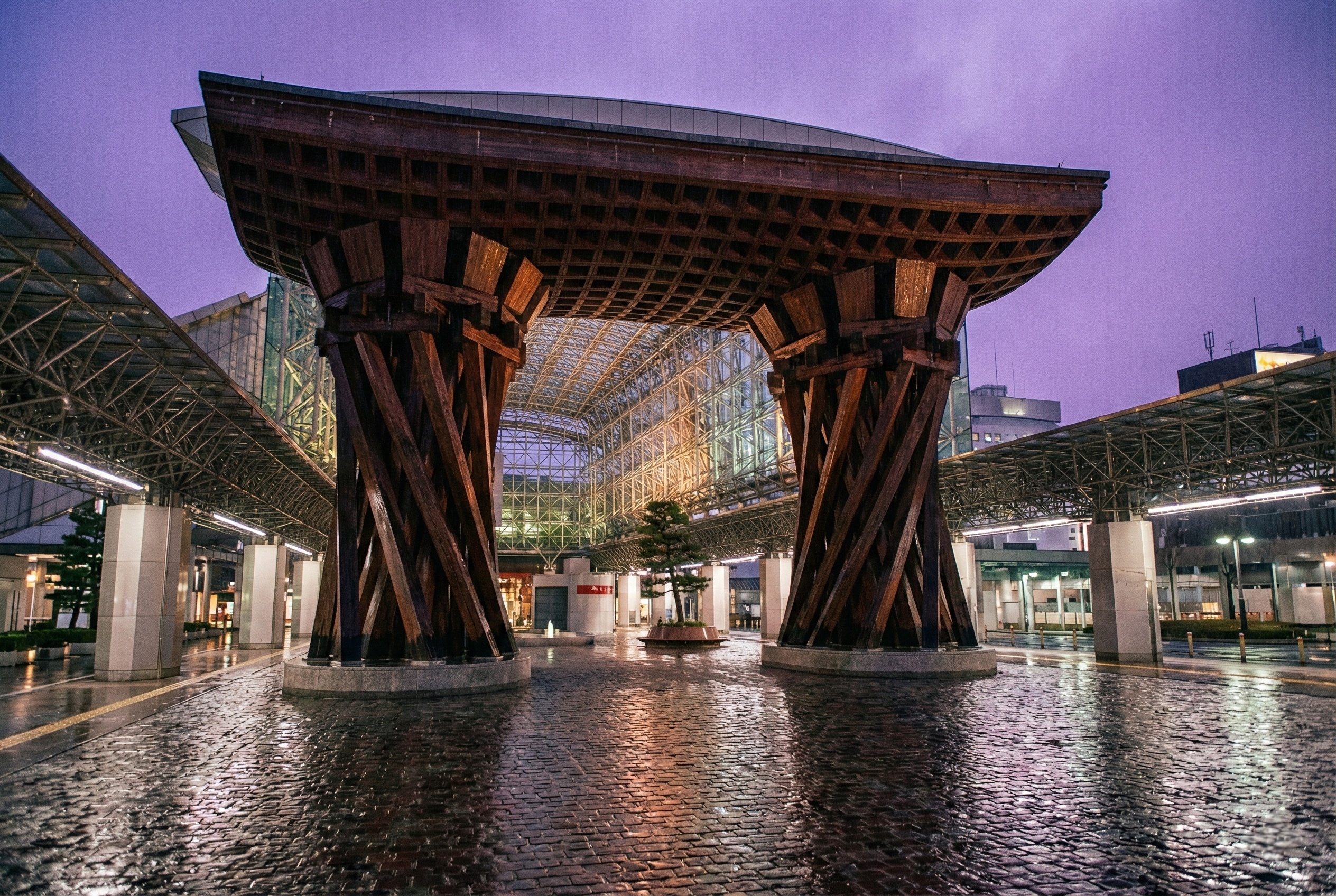
8 Must-See Experiences in Kanazawa for Travelers
Kanazawa promises an unforgettable journey for travelers seeking a blend of heritage and modern allure. This city stands out for its breathtaking gardens, historic districts, innovative art, and culinary treasures. Discover the eight must-see experiences that define Kanazawa’s unique appeal and make it a top destination for your next adventure.
1. Explore the Timeless Beauty of Kenrokuen Garden
Kenrokuen Garden is often hailed as one of Japan’s three most beautiful landscape gardens, offering a serene escape in the heart of Kanazawa. Its origins trace back to the Edo period, where the Maeda clan developed the garden to reflect harmony and seasonal change.
In spring, thousands of visitors flock to witness plum and cherry blossoms, while autumn brings fiery maple leaves. Winter transforms Kenrokuen with yukitsuri, elegant ropes protecting ancient pines from snow. Iconic features like Kasumigaike Pond, graceful teahouses, and the Kotoji stone lantern invite exploration.
Photography enthusiasts will find endless inspiration, especially during early morning light or after a fresh snowfall. Kenrokuen is just a short bus ride from Kanazawa Station, making it accessible for all travelers. According to Kenrokuen Garden visitor statistics, spring 2025 saw record-breaking numbers of international guests, reflecting its growing global appeal.
The garden is a living example of Japanese landscape artistry and a must for anyone seeking Kanazawa’s timeless beauty.
2. Wander the Historic Higashi Chaya District
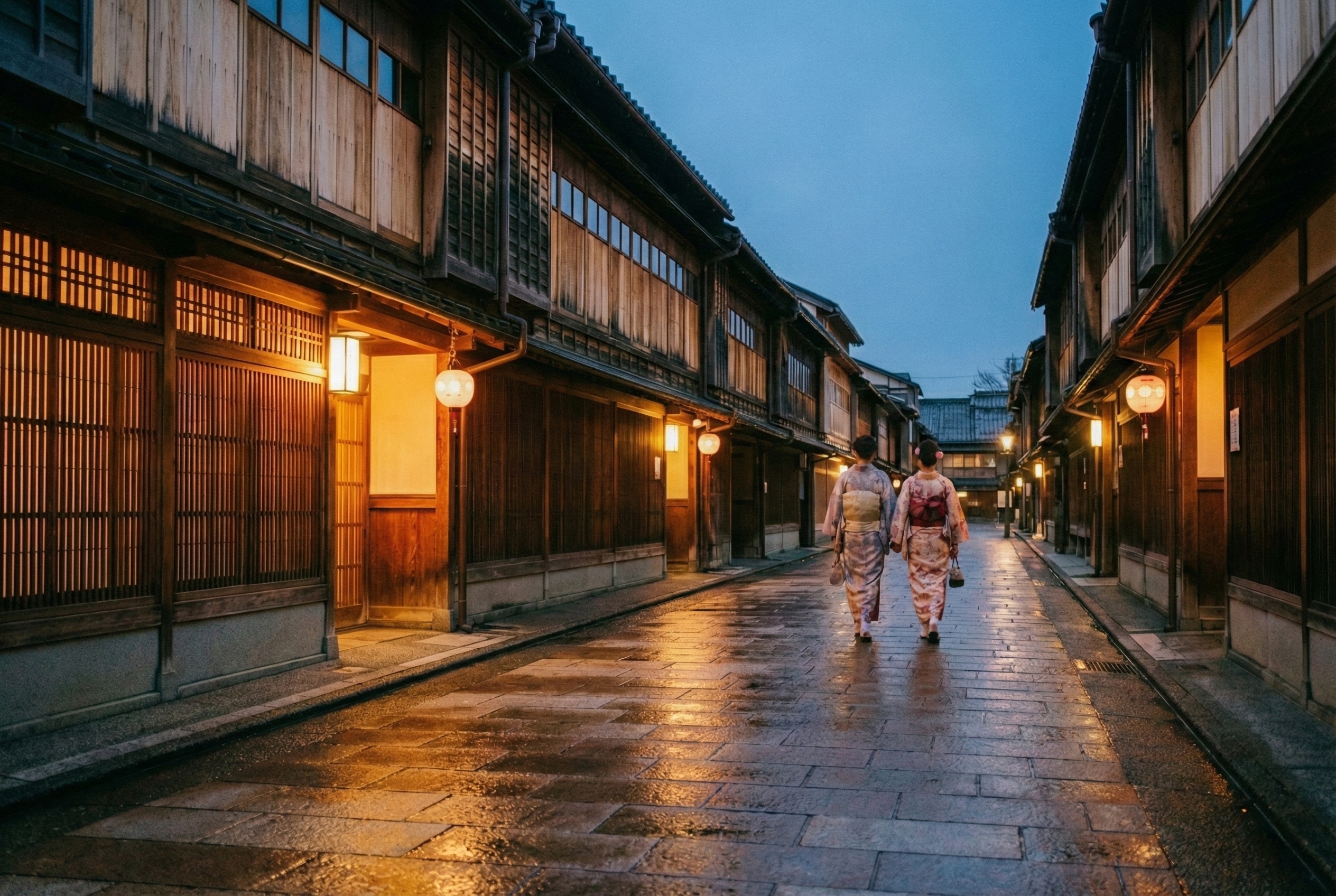
Step into the Edo period as you stroll through Kanazawa’s Higashi Chaya District, where teahouses line cobbled streets and wooden facades glow in the afternoon sun. This area preserves the city’s geisha culture, offering visitors the chance to attend traditional tea ceremonies or glimpse live performances.
Gold leaf shops dot the district, inviting hands-on workshops where you can craft your own gilded souvenir. The district’s narrow alleyways conceal cozy cafés, contemporary art galleries, and hidden courtyards.
Compared to the quieter Kazue-machi and Nishi Chaya districts, Higashi Chaya is lively yet authentic. Guided walking tours have surged post-pandemic, helping visitors uncover stories behind each historic building.
Bring your camera—every corner reveals an Instagram-worthy scene, capturing the essence of Kanazawa’s cultural heart.
3. Discover Kanazawa Castle and its Impressive Grounds
Kanazawa Castle stands as a testament to the city’s powerful Maeda clan, who ruled during the Edo period. The castle’s strategic location once protected the region and now welcomes guests with beautifully restored turrets, gates, and imposing stone walls.
Recent reconstructions have revived the grandeur of structures like the Ishikawa-mon Gate and the Gojikken Nagaya storehouse. The grounds seamlessly connect to Kenrokuen Garden and the tranquil Gyokuseninmaru Garden, offering panoramic views of kanazawa’s cityscape.
Throughout the year, the castle hosts seasonal festivals and night illuminations. Interactive exhibits and samurai armor displays engage visitors of all ages, while AR apps bring the castle’s history to life.
Easily accessible from the city center, Kanazawa Castle is a compelling journey into the region’s samurai legacy.
4. Immerse Yourself in Contemporary Art at the 21st Century Museum
Kanazawa’s 21st Century Museum of Contemporary Art is an architectural marvel, known for its circular glass design that invites creativity and curiosity. The museum features iconic installations, most notably Leandro Erlich’s “Swimming Pool,” which allows guests to experience art from above and below the water’s surface.
Rotating exhibitions showcase leading Japanese and international artists, ensuring every visit is unique. Family-friendly interactive spaces foster creativity among visitors of all ages.
The museum shop offers curated art-inspired gifts, while the café serves seasonal Kanazawa delicacies. In 2025, the museum reported a significant rise in exhibition attendance, reflecting the city’s growing reputation in the global art scene.
Located near other cultural sites, the 21st Century Museum is essential for anyone seeking inspiration in Kanazawa.
5. Savor Fresh Seafood at Omicho Market
Omicho Market has served as Kanazawa’s culinary hub for over 280 years, drawing locals and travelers alike to its vibrant stalls. The market is famous for its fresh seafood, including snow crab, Nodoguro (blackthroat seaperch), and expertly prepared sushi.
Visitors can start their day sampling sashimi, grilled fish, and Kanazawa’s signature seafood bowls. Several restaurants within the market offer immersive dining experiences, from counter-side sushi to lively izakayas.
Seasonal seafood festivals and hands-on cooking classes provide deeper insight into local gastronomy. After the pandemic, Omicho Market experienced a lively revival, with foot traffic returning to pre-2020 levels.
Arrive early to enjoy the freshest catches and navigate the bustling aisles with ease, savoring the authentic tastes of Kanazawa.
6. Experience Traditional Crafts: Gold Leaf, Kaga Yuzen, and Kutani Ware
Kanazawa is celebrated for its dedication to traditional crafts, producing over 99% of Japan’s gold leaf. Visitors can join workshops to apply gold leaf to chopsticks, create intricate Kaga Yuzen-dyed fabrics, or paint vibrant Kutani ware pottery.
Many studios and galleries welcome guests, offering hands-on experiences and the chance to meet local artisans. Unique souvenirs, from shimmering gold-leaf cosmetics to hand-dyed scarves, make perfect gifts.
The city’s commitment to cultural preservation is evident in collaborations between artisans and contemporary designers. Demand for craft workshops among international tourists has soared, making early booking essential.
Language support is widely available, ensuring every traveler can immerse themselves in Kanazawa’s creative spirit.
7. Step Back in Time in Nagamachi Samurai District
The Nagamachi Samurai District invites you to wander cobblestone lanes lined with earthen walls and restored samurai residences. This area preserves the atmosphere of old Kanazawa, where the samurai class once lived and trained.
The Nomura-ke House stands out with its museum-quality interiors, tranquil gardens, and displays of samurai armor. Visitors can learn about the daily life and values of Kanazawa’s warrior elite through engaging exhibits and storytelling.
Seasonal events such as lantern-lit evenings and historical reenactments bring the district’s past to life. Compared to other areas, Nagamachi offers a quieter, more contemplative experience, with visitors praising its authenticity.
Easily walkable from central Kanazawa, this district is a must for history enthusiasts.
8. Unwind in a Kanazawa Onsen or Ryokan Experience
Kanazawa’s onsen and ryokan scene offers travelers the ultimate in relaxation and cultural immersion. The city is close to renowned hot spring areas like Yuwaku Onsen and Kaga Onsen, both ideal for a restorative escape.
Traditional ryokan provide an authentic experience with tatami rooms, kaiseki cuisine, and yukata robes. Guests can choose between private and public baths, enjoying mineral-rich waters in serene surroundings.
Wellness tourism is on the rise in Ishikawa Prefecture, with a surge in bookings for onsen retreats and spa treatments. Many accommodations now offer modern amenities alongside time-honored hospitality, catering to diverse traveler preferences.
For more on Japanese hot springs, explore our Japanese Onsen Guide. Book early for peak seasons, and review etiquette tips to make the most of your Kanazawa wellness journey.
Getting Around Kanazawa: Transportation Tips
Navigating Kanazawa is a breeze, thanks to its compact cityscape and thoughtful transportation network. Most major attractions are within walking distance, making it an inviting destination for travelers who prefer to explore on foot.
Public Transport Options
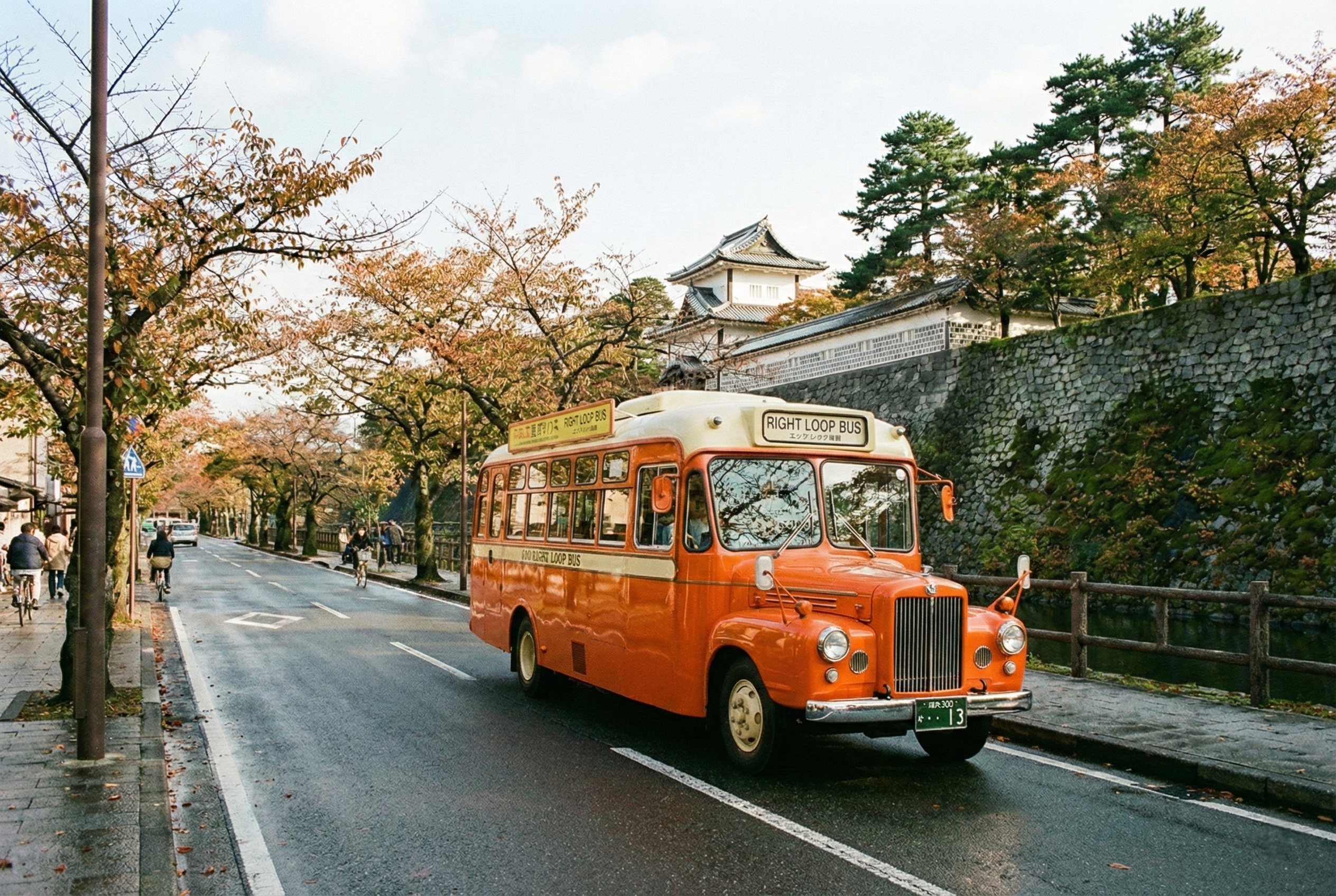
The Kanazawa Loop Bus and Hokutetsu city buses offer convenient routes connecting top landmarks like Kenrokuen Garden and Omicho Market. Taxis are plentiful and provide a comfortable option for those with limited mobility. Updated transport passes offer unlimited rides for a flat daily fee, making sightseeing both affordable and efficient.
Cycling and Walkability
Kanazawa’s flat terrain and dedicated cycling paths encourage visitors to rent bicycles. Several rental stations are located near Kanazawa Station and tourist districts. Cycling is an excellent way to uncover the city’s hidden gems at your own pace.
Shinkansen Access and Day Trips
Arriving in Kanazawa is simple via the Hokuriku Shinkansen, with direct connections from Tokyo, Kyoto, and Osaka. The city also serves as a launchpad for day trips to Shirakawa-go, the Noto Peninsula, and Kaga Onsen, all accessible by bus or train.
Digital Resources and Accessibility
Travelers benefit from English-language mobile apps for bus schedules and navigation. Recent advances, such as the Ishikawa Prefecture’s digital tourism initiative, further enhance the visitor experience by providing real-time updates and local recommendations.
Whether you are seeking seamless connections or accessibility support, Kanazawa’s transportation system is designed to make your journey effortless. Our team is dedicated to ensuring every guest enjoys stress-free travel and personalized guidance throughout their Kanazawa adventure.
Where to Stay: Best Neighborhoods and Accommodation Options
Choosing where to stay in Kanazawa is essential for making the most of your visit. The city offers a range of neighborhoods, each with its own charm and convenience. Staying near Kanazawa Station ensures quick access to transportation and major sights. The historic Higashi Chaya area is perfect for those who want to immerse themselves in traditional streets, while Korinbo is the heart of shopping and dining.
| Accommodation Type | Features | Ideal For |
|---|---|---|
| Luxury Hotels | Modern amenities, city views, concierge services | Business travelers, families |
| Ryokan | Traditional rooms, onsen baths, kaiseki meals | Cultural enthusiasts, couples |
| Guesthouses | Budget-friendly, local atmosphere | Solo travelers, backpackers |
| Machiya Townhouses | Historical architecture, private stays | Groups, families |
| Temple Lodgings | Unique spiritual experience, simple comfort | Adventurous visitors |
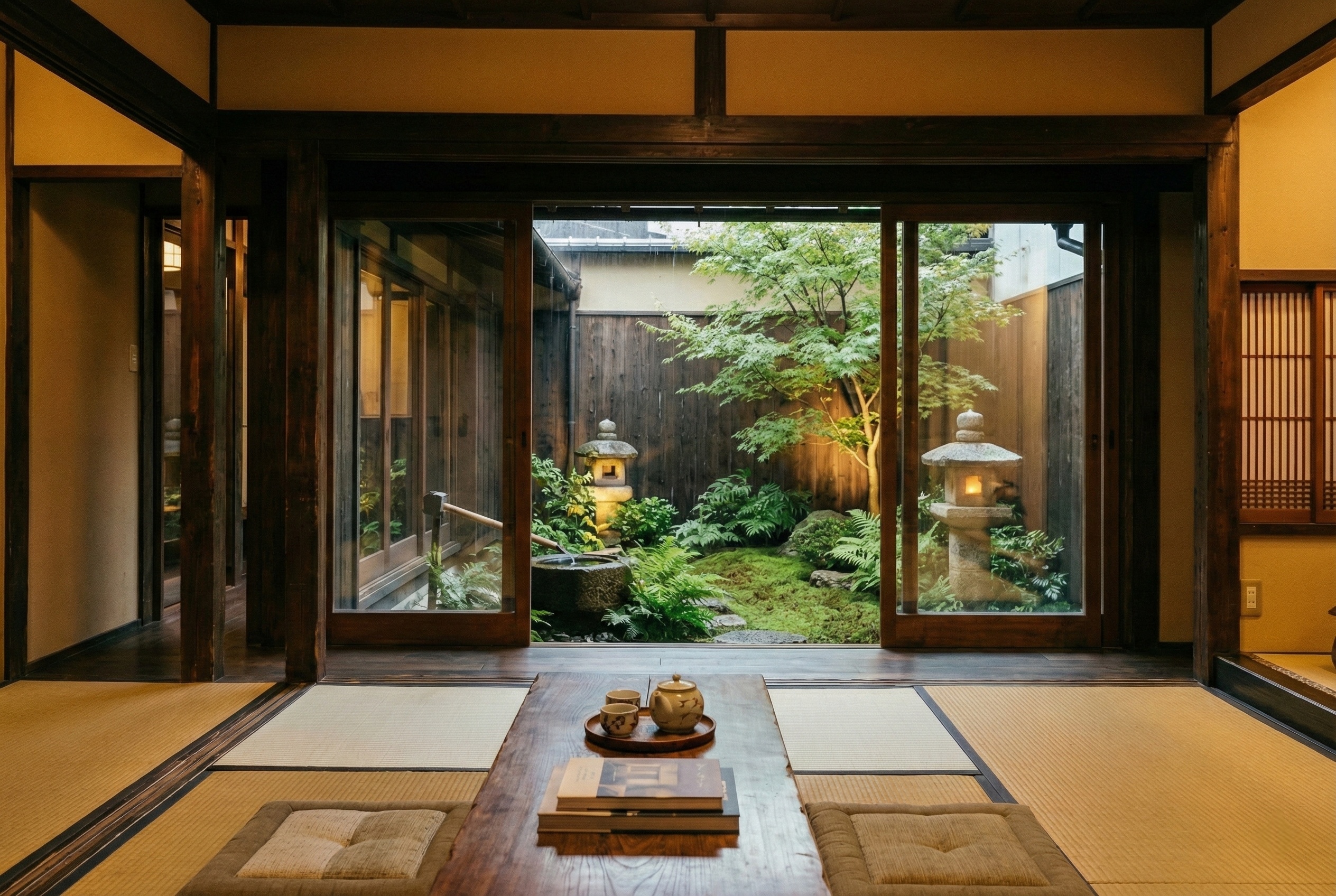
For something memorable, try a machiya townhouse or temple lodging—both offer a glimpse into Kanazawa’s heritage. In recent years, several international hotel chains have opened new properties, reflecting the city’s rising profile among global travelers. Renovations and boutique openings are set to continue, promising even more options.
Peak seasons, such as cherry blossom and autumn foliage periods, see high demand, so booking early is wise. Flexible travelers can often find deals during weekdays or off-peak months. Consider proximity to major attractions and transport links when choosing your accommodation to maximize your Kanazawa experience.
After exploring Kanazawa’s blend of timeless tradition and modern artistry, you deserve a journey that’s as unique as your interests. Imagine walking cobblestone streets once trodden by samurai, savoring fresh seafood at Omicho Market, or unwinding in a tranquil onsen—all seamlessly arranged to suit your preferences. At Japan Royal Service, we specialize in curating personalized experiences that highlight Kanazawa’s hidden gems and cultural marvels. If you’re ready to transform inspiration into reality, let’s craft a bespoke itinerary together.
Request your private consultation: Design your bespoke Japan journey with our experts.